
Pitru Paksha Mahasangam: A Spiritual Journey in Gaya-ji

Significance of Pitru Paksha Mahasangam
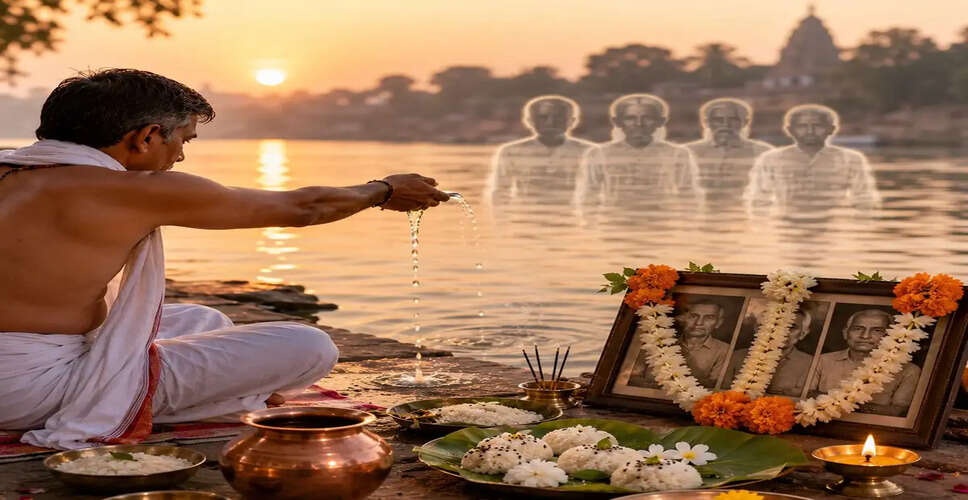
The *Pitru Paksha Mahasangam*, a significant pilgrimage dedicated to honoring ancestors, is set to commence on September 25. This event will attract countless pilgrims from both India and abroad to Gaya-ji, Bihar, where they will perform *Pind Daan* rituals for their forebears. It is believed that offering even a small grain of food, no larger than a leaf from the *Shami* tree, at the Vishnupad temple can lead to the salvation of seven *gotras* (lineages) and 101 generations of one's family.
Rituals by the Falgu River
Performing Pind Daan and Tarpan
It is believed that conducting *Pind Daan* and *Tarpan* along the banks of the Falgu River provides ancestors with the highest form of liberation (*Moksha*) and ensures the salvation of seven generations, including one's parents. The individual performing these rituals also achieves a significant spiritual elevation. In some families, there may be uncertainty about who can perform the *Pind Daan* if a deceased couple has no children.
Guidance from Ritual Priests
Insights from Chandan Kumar Kaushik
Chandan Kumar Kaushik, a ritual priest (*Karmakand Brahmin*) in Gaya-ji, clarifies that if a person passes away without children, family and religious customs permit the surviving spouse—either husband or wife—to carry out the *Shraddha* rituals. If the deceased has no offspring but a brother is alive, he can perform the *Pind Daan*.
Who Can Perform the Shraddha-Pind Daan?
Role of Nephews and Other Relatives
In cases where the deceased has no children and no brothers, a nephew may step in to perform the *Shraddha-Pind Daan* as per family customs. Depending on the situation, other close relatives might also be eligible to conduct these rituals. Some traditions even allow a sister's son (*bhanja*) to undertake these religious duties. If no family member is available, a priest can assist in performing the *Pind Daan* in Gaya-ji, following the necessary *Sankalp* (solemn vow) and established protocols.
Self-Performed Pind Daan
Jivit-Pind Daan Explained
Kaushik also mentioned a unique aspect of Hindu traditions where individuals can perform *Pind Daan* for themselves while alive, known as *Jivit-Pind Daan* or *Atma-Pind Daan*. However, those who choose this path must adhere to specific guidelines. It is believed that individuals performing their own *Pind Daan* must live a life of seclusion, residing by a river and preparing their own meals, maintaining this lifestyle for the duration of their lives.
Social Media
PC Social Media