
Optimal Times for Temple Visits: A Guide to Spiritual Engagement

Understanding the Best Times to Visit a Temple
Choosing the Right Moment for Temple Visits: Many individuals seek out temples to find tranquility, positive vibes, and spiritual enlightenment. Upon entering, worshippers pay homage to their preferred deity, aim for a divine sighting (*darshan*), and present offerings such as *prasad*, flowers, or items for the sacred fire ceremony (*havan*). They may also express vows or prayers in hopes of their desires being fulfilled. While each person may have a specific personal deity (*Ishta Dev*), it is common for devotees to visit temples dedicated to various gods, including Lord Shiva, Lord Vishnu, Goddess Durga, or Lord Hanuman. This leads to the inquiry: when is the best time to visit a temple—morning, afternoon, or evening?
The Most Favorable Time for Temple Visits
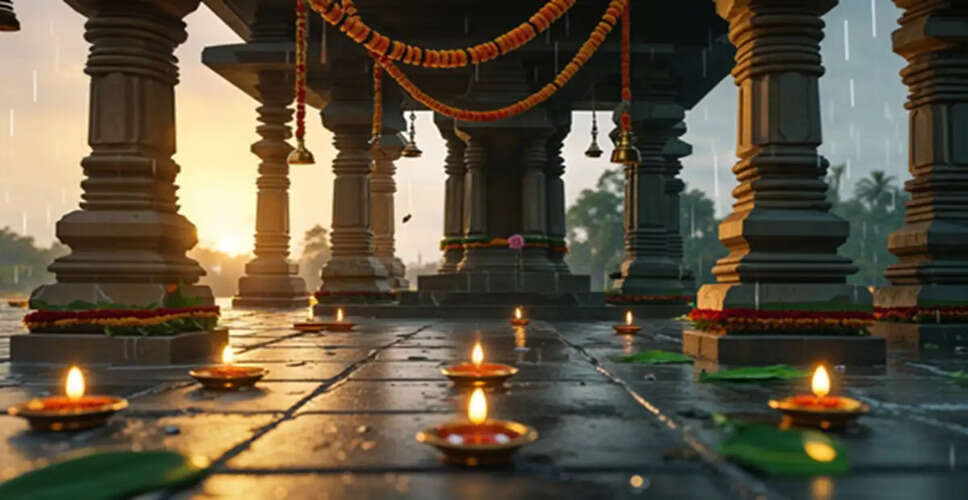
Religious traditions suggest that the most favorable time to visit a temple is during *Brahma Muhurat*, which occurs around sunrise. This period, starting at approximately 4:00 AM, is characterized by a tranquil and pure atmosphere. During this time, the mind is clear, and positive energy is abundant. Rituals such as *Abhishek* (the ceremonial bathing of the deity), worship, and *Mangala Aarti* (the first ritual of the day) are conducted, attracting devotees early in the morning. If attending during *Brahma Muhurat* is not feasible, visiting at sunrise or shortly after is also deemed auspicious.
Afternoon visits to the temple are generally discouraged. This is when the deity is adorned (*Shringar*) and offered food (*Bhog*), followed by a rest period. In many temples, the sanctum doors are closed during this time, making *darshan* unavailable.
If morning visits are not possible, attending during *Pradosh Kaal*—the time after sunset—is a suitable alternative. Evening *Aarti* occurs during this period, which is also considered a favorable time for worship. However, late-night visits should be avoided, as this is when the deity rests (*Shayan*), and the temple doors close after the final *Aarti*.
It is important to note that visiting temples during an eclipse—whether solar or lunar—is prohibited, as temples remain closed during these events. *Darshan* is only allowed after the eclipse concludes and purification rituals are completed.
Before visiting a temple, it is essential to keep certain guidelines in mind. Approach the temple in a state of ritual purity after bathing; wear simple, modest attire; refrain from carrying leather items; and avoid meat and alcohol. Additionally, it is advisable not to visit the temple immediately after eating. Following these practices is believed to enhance the benefits of worship.
PC Social Media