
Optimal Times for Morning Walks in Delhi-NCR Amidst Pollution
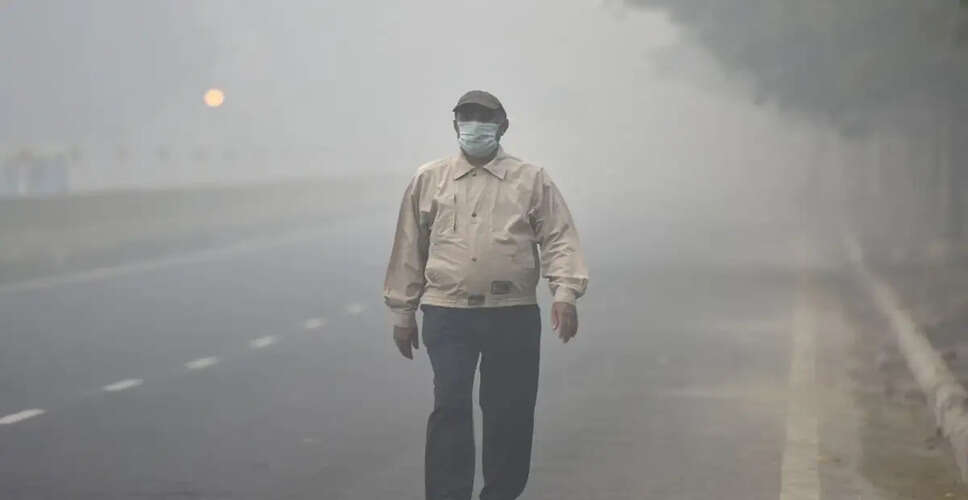

Best Times for Morning Walks in Delhi-NCR
Optimal Timing for Morning Walks in Delhi-NCR: As winter approaches in Delhi-NCR, air pollution levels tend to rise significantly. This situation prompts a crucial question for morning walkers: is it safe to exercise outdoors in such polluted conditions? While enjoying the fresh morning air is typically beneficial for health, elevated levels of pollutants like PM2.5 and PM10 can transform this healthy routine into a risky endeavor.

Experts recommend avoiding outdoor exercise during early mornings or late evenings when pollution peaks, particularly when the Air Quality Index (AQI) falls into the 'poor' or 'very poor' categories. So, how can one identify the best time for a walk, who should be particularly cautious, and what indoor alternatives are available for maintaining fitness? Let’s explore.
Identifying Safe Walking Times in High Pollution
In Delhi-NCR, early morning walks may not be safe when pollution levels are elevated. The Ministry of Health advises against outdoor activities during early mornings or late evenings when the AQI exceeds 200, indicating 'poor' to 'severe' air quality. On such days, if outdoor activity is necessary, it is advisable to do so between 12:00 PM and 4:00 PM, assuming the local AQI has improved.
However, pollution levels fluctuate daily and vary by location. Therefore, instead of relying on a specific time frame, it is essential to check the AQI for your area before stepping outside.
When is Walking Dangerous?
Walking can be harmful under the following conditions:
- When the AQI is 201 or higher.
- When there is visible haze, smoke, or high pollution levels.
- During heavy traffic or in dusty environments.
- If you experience symptoms like coughing, shortness of breath, or eye irritation while walking.
Exercising in poor air quality can lead to faster breathing, increasing the intake of harmful pollutants.
AQI Guidelines for Walking
Here’s a breakdown of recommended walking conditions based on AQI levels:
- AQI 0–50 (Good): Safe to walk outdoors with standard precautions.
- AQI 51–100 (Satisfactory): Generally safe for outdoor walking.
- AQI 101–200 (Moderate): Sensitive individuals should be cautious and monitor for symptoms.
- AQI 201–300 (Poor): Avoid outdoor exercise, especially in the early morning and late evening.
- AQI 301–400 (Very Poor): Prefer indoor exercises over outdoor walking.
- AQI 401–500 (Severe): Refrain from outdoor physical activities and seek medical advice.
These guidelines are general; always consider individual health risks, local conditions, and expert advice.
Who Needs to Be Extra Cautious?
Children, the elderly, pregnant women, and those with asthma, COPD, or heart conditions should exercise heightened caution during high pollution periods. When the AQI reaches 'very poor' or worse, it is advisable for these groups to remain indoors and avoid outdoor exercise.

Staying Fit During High Pollution Levels:
To maintain fitness during high pollution, consider:
- Engaging in light walking, stretching, or yoga indoors.
- Checking the AQI before going outside.
- Avoiding busy roads, construction sites, and dusty areas.
- Wearing a well-fitted N95 mask if you must go outdoors.
- Stopping any activity and seeking medical advice if you experience shortness of breath, chest pain, or dizziness.