
New Regulations on Cough Syrups Following Child Fatalities
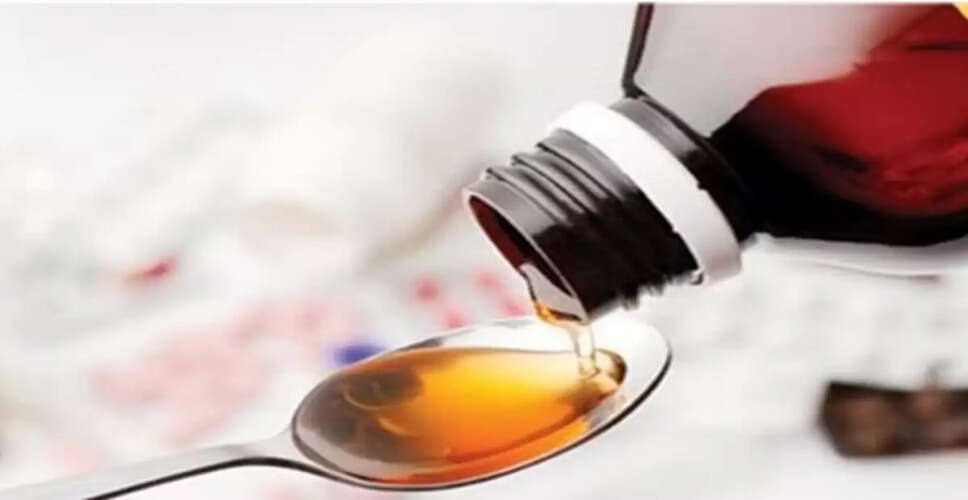

Introduction to the Cough Syrup Controversy
Reports emerged last October regarding tragic incidents involving children in Chhindwara, Madhya Pradesh, and Rajasthan who suffered fatal kidney failures after consuming cough syrup. This alarming situation prompted the Directorate General of Health Services (DGHS) to issue a warning about the appropriate use of cough syrups in pediatric care. Investigations indicated that the cough syrup contained diethylene glycol (DEG) at levels exceeding 48%, while the acceptable limit is merely 0.1%.
Government's Response to the Crisis
In response to these incidents, the central government has implemented stringent measures. On June 16, the Union Ministry of Health and Family Welfare announced that cough syrups and similar syrup-based medications will now require a doctor's prescription for purchase. This regulation aims to enhance safety and oversight in the distribution of these products.
Details of the New Regulations
The recent changes stem from an amendment to the 'Drugs Rules, 1945', enacted through the 'Drugs (Fifth Amendment) Rules, 2026', which was officially published on June 9.
Key Changes in the Regulations
The amendment has removed syrup-based medications from the exemptions listed under 'Schedule K', which previously allowed certain drugs to bypass specific manufacturing and sales regulations. This effectively prohibits the sale of syrup-based medicines without a prescription, addressing rising safety concerns and increasing regulatory scrutiny.
The notification clarifies that, effective immediately upon its publication, the sale of syrups, including popular cough syrups, without a doctor's prescription is now illegal. This decision was made after careful consideration of public feedback and in consultation with the Drugs Technical Advisory Board (DTAB).
Background of the Cough Syrup Issue
In early October, reports surfaced about the deaths of multiple children in Madhya Pradesh, initially linked to the 'Coldriff' syrup, produced by Srison Pharmaceuticals in Kanchipuram, Tamil Nadu. Testing revealed that this syrup contained a dangerously high level of diethylene glycol at 48.6%, significantly above the legal limit.
As a result, several states moved to ban the syrup, and the government has since revoked the manufacturing license of Srison Pharmaceuticals, ordering the company to cease operations entirely.
Additionally, in November, allegations of cough syrup smuggling emerged in Varanasi, leading the Uttar Pradesh Food and Drug Department to file cases against 12 pharmaceutical companies for trafficking codeine-based cough syrups, following earlier actions against 26 other firms.
Conclusion
The recent regulatory changes reflect a significant shift in how cough syrups and similar medications will be managed in India, prioritizing child safety and public health.