
Navigating Post-Diwali Air Pollution: Keeping Children Safe in Delhi-NCR
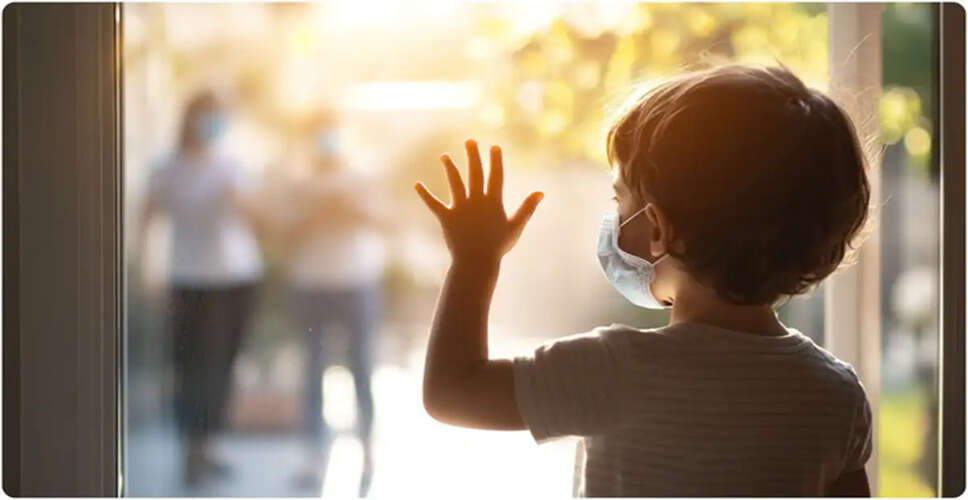

The Aftermath of Diwali Celebrations
This year's Diwali festivities were filled with joy, as homes sparkled with lights and families shared sweets. However, as the celebrations wind down, health issues have surfaced. The Delhi-NCR area is grappling with a significant air pollution crisis, exacerbated by firecracker use and stubble burning. This hazardous air quality has raised alarms among parents, particularly those with infants and young children, who are understandably more anxious.
Health Risks for Children
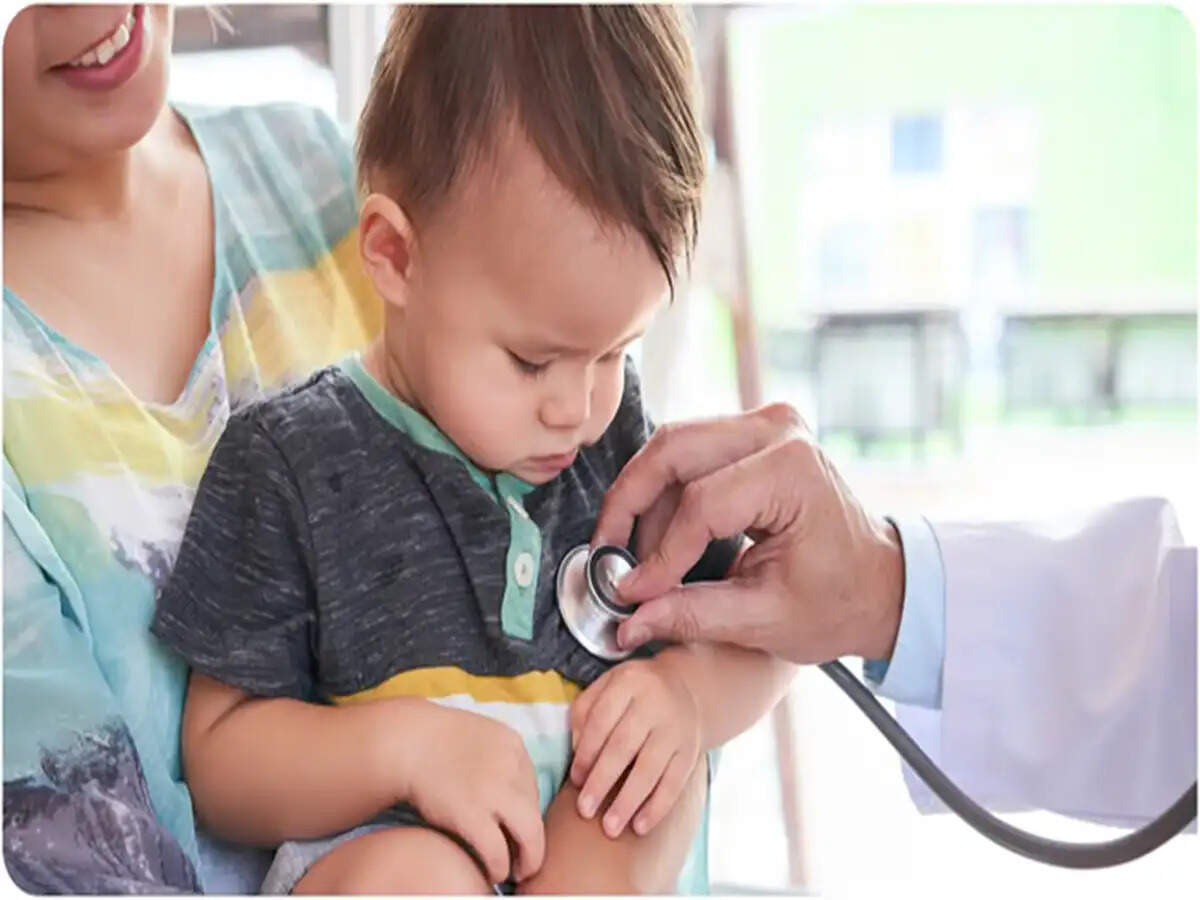
Experts warn that high pollution levels can severely affect children's developing lungs. Many families have opted to keep their children indoors and have invested in air purifiers to combat the toxic air.
This situation raises an important question: how can parents ensure their children's safety during this pollution crisis? Is it enough to stay indoors and rely on air purifiers? Consulting a medical professional can provide clarity on this matter.
Understanding the Pollution Crisis
The spike in air pollution in Delhi-NCR, particularly after the extensive use of firecrackers during Diwali, is alarming. Parents are increasingly worried that this polluted air could hinder their children's lung development and overall health. Given that children's lungs are still maturing, they are especially susceptible to pollution's harmful effects.
This year, some families chose to celebrate Diwali entirely indoors, avoiding outdoor gatherings and ensuring their air purifiers were constantly operational. Despite ongoing efforts by authorities to improve air quality, concerns remain high.
Mothers Share Their Experiences
In discussions with various mothers, many expressed how pollution has changed their Diwali celebrations. They shared the precautions they took to protect their children and their worries about the health of future generations. For instance, Sakshi Gupta, a mother of two, emphasized that her family's Diwali was focused on family time rather than firecrackers. With daughters aged six years and 10 months, she has educated her elder child about the dangers of firecracker smoke, not only for humans but also for animals. This year, they celebrated at home, but the post-festival air quality has left her concerned.
Expert Recommendations
Dr. Rajat Grover, a pediatrician in Delhi, advises that the effects of pollution can linger for days after Diwali. During this time, it is vital to take additional precautions for children. Even indoors, children are not completely safe, so keeping them inside as much as possible and ensuring an air purifier is operational is crucial.
In some cases, saline nasal drops may be recommended by a doctor to help clear nasal passages of dirt and mucus, aiding in easier breathing.
Parents should vigilantly monitor their children's breathing patterns. Since young children may struggle to express discomfort, it's essential to watch for any behavioral changes. Key warning signs include:
- Rapid breathing, which may indicate respiratory distress.
- Wheezing or whistling sounds during breathing.
- Difficulty feeding or frequent interruptions during feeding.
- Increased crying, fever, or a persistent runny nose, which warrants a doctor's visit.
- Frequent coughing followed by vomiting, which also requires medical attention.
Conclusion
As the air quality crisis continues, it is imperative for parents to remain vigilant and proactive in safeguarding their children's health during this challenging time.