
Navigating Ganesh Utsav and Parivartini Ekadashi: Offering Guidelines

Understanding the Ganesh Utsav and Ekadashi Intersection
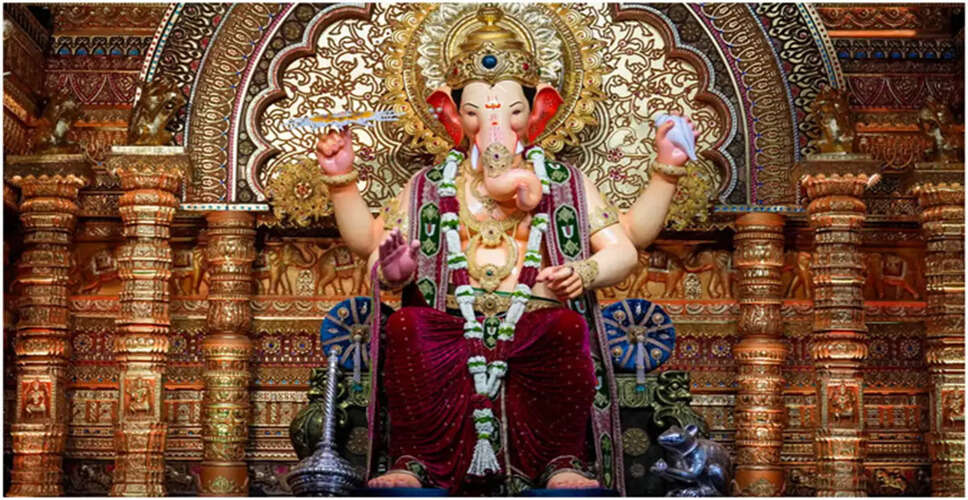
During the Ganesh Utsav, devotees traditionally present a variety of sweets to Lord Ganesha, known as Ganpati Bappa, both in the morning and evening. Essential offerings include modaks, laddoos, and other confections. However, this year, Parivartini Ekadashi coincides with the festival on September 22, 2026, which may pose a challenge for families observing the fast while also celebrating the installation of the Ganesha idol. On Ekadashi, it is customary to refrain from consuming foods made from grains such as rice, wheat, and lentils. This raises the question: should traditional modaks or grain-based sweets be presented to Ganpati Bappa on this day? Let's delve into this topic further.
When is Parivartini Ekadashi During Ganesh Utsav?
In 2026, Ganesh Chaturthi is set for September 14, with Anant Chaturdashi and the main immersion day on September 25. This indicates that in homes and public pandals where the idol is worshipped for ten days, Ganpati will still be present on September 22. According to the Hindu almanac, the Parivartini Ekadashi tithi begins around 8:00 PM on September 21 and lasts until 9:43 PM on September 22. Following the Udaya Tithi principle, the Ekadashi fast will be observed on Tuesday, September 22, and will conclude on the morning of September 23. However, timings may vary slightly based on location and the specific Panchang used.
Can Regular Modaks Be Offered to Ganpati on Ekadashi?
The preparation of modaks can differ based on regional preferences. For instance, the Ukadiche Modak, a favorite in Maharashtra, is primarily made from rice flour. In other areas, modaks may be crafted using wheat flour, refined flour, semolina, or gram flour. Those observing the Ekadashi fast typically avoid these grains. Therefore, if a family member is fasting, consuming such modaks would not be appropriate. It's important to note that the dietary restrictions of Ekadashi mainly apply to the individual fasting. The type of Naivedya offered to Lord Ganesha often reflects family customs and local traditions. In some Vaishnava practices, cooking grains at home on Ekadashi is discouraged, leading to only Phalahari offerings being made. Conversely, some families may have unique traditions regarding their offerings, making it difficult to establish a universal guideline. If strict adherence to the Ekadashi fast is observed, offering Phalahari Bhog is the most straightforward choice. If family traditions vary, one might choose to follow established customs or consult a family priest.
What Offerings Can Be Made to Ganesha on Parivartini Ekadashi?
On this day, suitable offerings to Ganesha include:
- Seasonal fruits like bananas, apples, and guavas
- Coconut
- Fox nuts (Makhana)
- A variety of dry fruits such as cashews, almonds, and walnuts
- Milk-based sweets that do not contain grains
- Modaks made with Mawa (condensed milk solids), coconut, and dry fruits
- Phalahari offerings using rock sugar (Mishri) and dry fruits
- Grain-free modaks prepared with coconut, Mawa, and dry fruits
- Modaks made from sago (Sabudana), amaranth flour (Rajgira), or water chestnut flour (Singhara atta).
What to Do if Grain-Based Modaks Are Offered?
If a modak made from rice, wheat, refined flour, semolina, or gram flour is presented to Ganesha, the fasting individual should refrain from consuming that Prasad. However, this does not imply disrespect; it can be shared with family members who are not fasting. If everyone in the household is observing the Ekadashi fast, the grain-based Prasad can be set aside and consumed after the fast is broken on Dwadashi (the following day). It is advisable to avoid keeping modaks made from milk, Mawa, or other perishable ingredients for too long. In such cases, preparing Phalahari modaks or other suitable offerings in advance is more practical. The key point is that food items prohibited during the fast do not become acceptable simply because they are Prasad. Once the fast is undertaken, adherence to the associated dietary rules is essential.
Should One Worship Lord Ganesha or Lord Vishnu First on Ekadashi?
It is a common practice to begin worship with a prayer to Lord Ganesha (Ganesh Vandana). After completing morning rituals, devotees typically start by invoking and worshipping Lord Ganesha, offering Durva grass, flowers, fruits, and Phalahari offerings.
Following this, worship of Lord Vishnu can commence, along with the solemn vow (Sankalp) to observe the Ekadashi fast. Offerings to Lord Vishnu often include yellow flowers, Tulsi leaves, fruits, and Panchamrit. It is believed that plucking Tulsi leaves on Ekadashi should be avoided, so it is best to gather them a day prior. In the evening, Aarti for both Lord Ganesha and Lord Vishnu may be performed. However, if family traditions dictate a different order of worship, those customs should be respected.
Conclusion
Understanding the intersection of Ganesh Utsav and Parivartini Ekadashi can help devotees navigate their offerings and fasting practices effectively. By adhering to family traditions and dietary rules, one can honor both Lord Ganesha and the significance of Ekadashi.