
Nag Panchami 2026: Essential Rituals and Guidelines for Worship
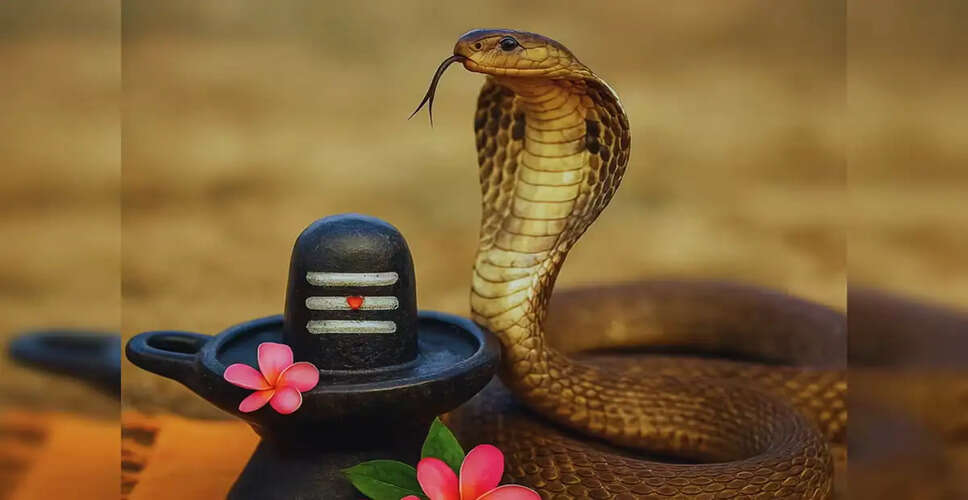

Nag Panchami 2026 Rituals: Key Guidelines
Nag Panchami 2026 Puja Guidelines: The auspicious month of Sawan is particularly revered for honoring Lord Shiva. The festival of Nag Panchami, which occurs during this time, is of great spiritual significance. This year, it will be observed on Monday, August 17. The celebration includes performing *Abhishek* (ritual bathing) of Lord Shiva and honoring the Serpent Deity (Nag Devta). A noteworthy aspect of 2026 is that Nag Panchami coincides with a 'Sawan Monday,' amplifying the importance of worshipping both deities. For those observing Nag Panchami, adhering to specific practices is crucial to ensure the rituals are performed smoothly. Often, unintentional errors can hinder the full benefits of the worship. Here are some essential points to consider for Nag Panchami...
**Important Points for Nag Panchami Puja**
During the Nag Panchami ceremony, you can place an image or a clay idol of the Serpent Deity. Offerings should include sandalwood paste, turmeric, flowers, incense, *diya* (lamp), and *naivedya* (sacred food). It is also customary to present milk, *kheel* (puffed rice), and other offerings. After the worship, pray to the Serpent Deity for your family's joy, tranquility, and protection from fear.
According to scriptures, live snakes should not be worshipped on Nag Panchami. Instead, the Serpent Deity is honored symbolically through an image or idol. Alternatively, you may use a pair of silver snakes for worship, which ensures the safety of both the snakes and humans.
It is advised in the scriptures to avoid digging the ground on Nag Panchami. Activities like ploughing or tilling the soil should also be refrained from to protect snakes and their young.
Most importantly, feeding milk to snakes on Nag Panchami is discouraged. Milk can be harmful to snakes and may even lead to their demise. It is believed that offering milk can sometimes cause blindness in snakes. Their natural diet consists of rats, frogs, lizards, and other small animals, which helps control the rat population and safeguard agricultural fields.
On Nag Panchami, it is essential to avoid using iron utensils. Additionally, refrain from placing a *tawa* (griddle) on the stove or cooking *rotis* (flatbreads). Such actions may displease the Serpent Deity (Nag Devta) and could result in *Kaal Sarp Dosh* in one's horoscope. Traditional meals on this day include *Puri-Halwa* or *Dal-Baati*.
Activities like sewing, knitting, and using sharp tools such as needles and knives should be avoided on this day. It is also important not to disturb snakes or any living beings, as doing so is considered a serious offense. Consuming meat, alcohol, or *tamasic* food (which induces lethargy or ignorance) is prohibited on Nag Panchami.
Should Lord Shiva or the Serpent Deity be worshipped first?
The order of worship on Nag Panchami can differ based on regional and familial customs. However, when the festival aligns with a Monday in the month of *Sawan* (Shravan), a common practice is to first honor Lord Shiva with *Jalabhishek* (water offering), followed by the worship of the Serpent Deity. Start by offering water to the *Shivling*, then worship Lord Shiva with *Belpatra* (wood apple leaves), flowers, *Akshat* (unbroken rice), sandalwood paste, incense, and *diyas* (lamps). After this, perform the ritual for the Serpent Deity's image, idol, or symbol. Some *Panchang* (almanac) sources for the 2026 rituals also suggest this order of worship.
What is the link between Lord Shiva and the Serpent Deity?
Religious beliefs state that the Serpent Deity has a deep connection with Lord Shiva, who is often depicted with a serpent around his neck. Thus, worshipping the Serpent Deity alongside Lord Shiva on Nag Panchami is particularly meaningful. It is believed that sincere worship can eliminate fears and obstacles, bringing happiness and peace to the family.
PC Social Media