
Mumbai: The Historic Cotton Capital of India
Mumbai's Rich Textile Heritage
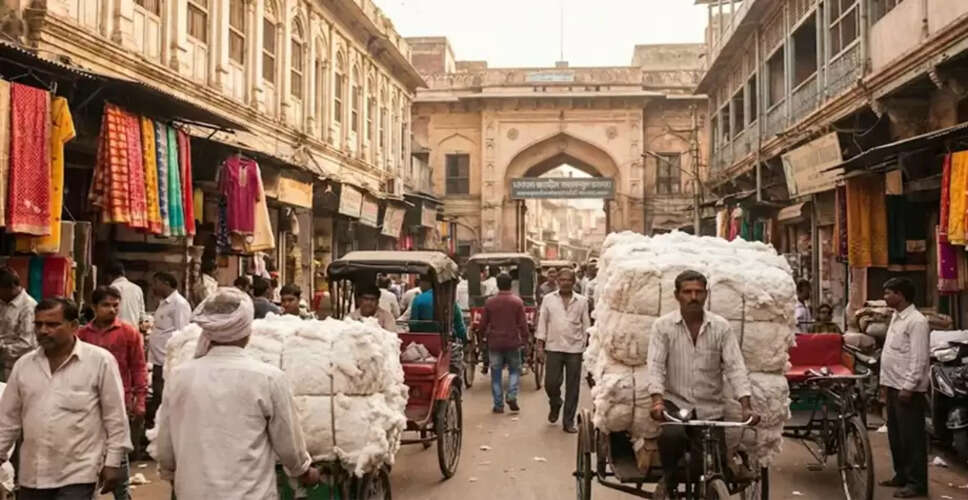
When one envisions Mumbai, images of skyscrapers, the ocean, and its status as the nation's "financial capital" often come to mind. However, the city's historical roots are deeply intertwined with the "white gold" of cotton.
Mumbai proudly carries the title of the "Cotton City of India." Beyond being a center for cinema and finance, it once revolutionized the landscape of India's cotton textile sector. What led to Mumbai's emergence as the largest textile hub in the country, and how did it impact the Indian economy? Let's delve into this intriguing narrative.
Why Mumbai is Known as the "Cotton City"
The primary reason for Mumbai's designation as the "Cotton City" lies in its preeminence in the cotton textile sector. During the colonial era, it evolved into India's foremost center for textile mills and cotton yarn production.
At that time, Mumbai made remarkable advancements in cotton processing, spinning, and textile manufacturing, establishing itself as a key player in the textile trade both domestically and internationally.
Factors Contributing to Mumbai's Success
Ports and Railways: The city boasted excellent port facilities and railway connections, facilitating the import of raw materials and the export of finished textiles globally.
Labor Availability: A large pool of skilled and industrious workers was accessible for employment in the mills.
Business Infrastructure: The financial institutions and banks in Mumbai fostered trade and commerce.
These combined advantages positioned Mumbai as a leading textile manufacturing center.
Impact on India's Economy
Mumbai's textile sector extended beyond mere clothing production; it significantly bolstered India's economic framework. The extensive spinning mills, weaving units, and garment factories provided jobs for millions.
This industry also stimulated ancillary activities such as dyeing, sewing, and logistics. Indeed, the cotton textile sector was instrumental in shaping Mumbai into the "financial capital" we recognize today.
Yavatmal: The Heart of Cotton Cultivation
When discussing cotton, one cannot overlook Yavatmal. This region is a frontrunner in cotton farming, and here are some noteworthy details:
White Gold Belt: Cotton, often referred to as "white gold," thrives in Yavatmal district in Vidarbha, known for its fertile black soil and conducive climate.
Trade Hub: Yavatmal serves as a significant market where farmers sell their cotton. Numerous ginning and pressing facilities are located here, processing the cotton before it is dispatched to mills nationwide.
Foundation of Rural Economy: The local economy, encompassing cultivation, transportation, and processing, is fundamentally reliant on cotton.
Mumbai's identity as the "Cotton City" stems from its historical significance in India's textile industry, exports, and industrial growth. While regions like Yavatmal focus on cultivating the "white gold," Mumbai plays a crucial role in bringing it to the global marketplace.
Connect with Us
PC Social Media