
Mizoram Reports Significant Rise in HIV Infections Amid Ongoing Awareness Efforts
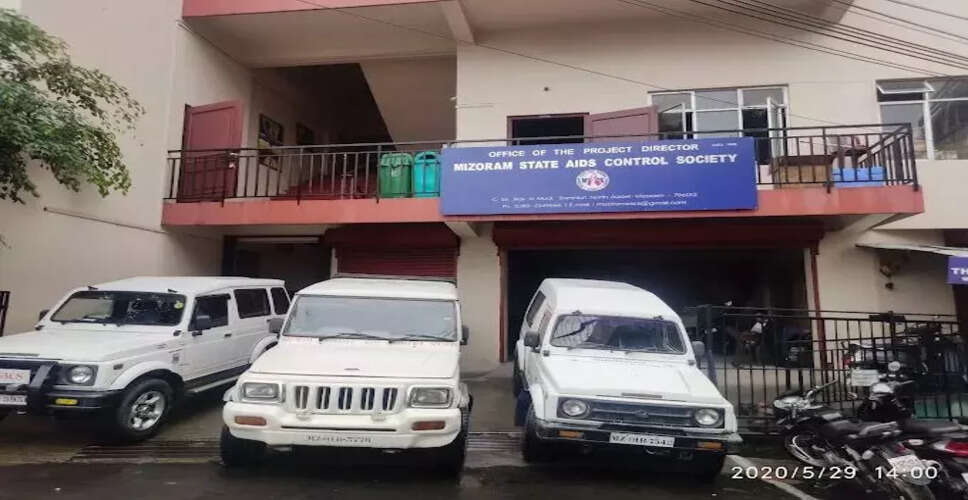
HIV Infection Statistics in Mizoram
Aizawl, Feb 3: Between April and December 2025, Mizoram documented 3,354 new cases of HIV, with unsafe sexual practices identified as the primary transmission method, as per the Mizoram State AIDS Control Society (MSACS).
Officials noted that over 70% of these newly reported cases were associated with unprotected sexual activities, highlighting ongoing behavioral risks despite extensive awareness initiatives in the region.
Out of the total new infections, 2,239 cases (70.61%) were due to sexual transmission, while 852 cases (26.87%) were linked to the sharing of syringes, predominantly among intravenous drug users.
Additionally, parent-to-child transmission accounted for 56 cases, representing 1.77% of the total.
The data indicates that most individuals diagnosed belong to the general population.
Among the 3,354 new cases, 3,171 were from the general population, including 2,191 men and 980 women. Furthermore, 183 pregnant women tested positive for HIV during this timeframe.
According to MSACS, a total of 151,221 blood samples were tested for HIV from April to December.
The positivity rates were 3.02% for males and 2.28% for females, with a notably lower rate of 0.51% among antenatal care attendees.
An age-wise breakdown shows that the epidemic is primarily affecting the economically and socially active demographic.
Approximately 89% of new infections, or 2,813 cases, were found in individuals aged 15 to 49.
The 25-34 age group had the highest number of cases, accounting for 1,193 infections.
Officials also reported 59 HIV-positive cases in children under 14 and 299 cases in individuals over 50.
Since the first detection of HIV in Mizoram in October 1990, a total of 33,878 cases have been identified.
As of December 2025, 18,224 individuals were registered and receiving antiretroviral therapy (ART), underscoring the significant challenge and the need for ongoing treatment support.
Dr. Jane R Ralte, Project Director of MSACS, mentioned that representatives from all eight northeastern states—Arunachal Pradesh, Assam, Meghalaya, Manipur, Mizoram, Nagaland, Sikkim, and Tripura—will take part in the upcoming campaign.
The initiative will utilize music, performances, and cultural expressions unique to the region to convey prevention messages and combat stigma associated with HIV/AIDS.