
Mastering the Art of Soft Rotis: Essential Tips for Perfect Indian Bread
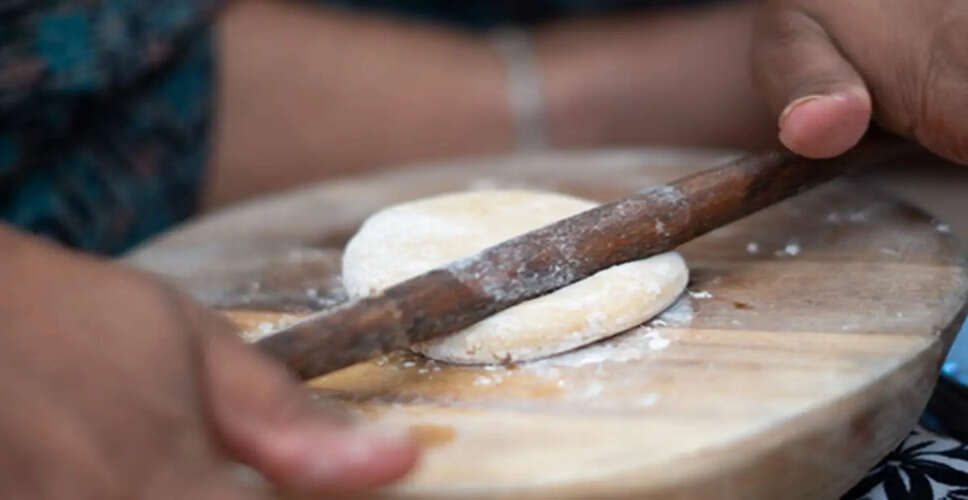

Creating Soft Rotis: A Kitchen Essential
Creating Soft Rotis: In Indian households, roti is more than just a dish; it is a staple that accompanies daily meals. However, many, particularly those new to cooking, struggle with achieving the perfect round and soft roti. Issues often arise from kneading the dough too firmly or distorting its shape while rolling. Additionally, rotis may harden or fail to puff up on the tawa (griddle), leading to disappointment when they don't match the quality of those made by experienced family members.
The encouraging news is that you don’t need fancy gadgets or costly tools to create soft, round rotis. With the right kneading technique, a bit of patience, and some straightforward kitchen hacks, you can significantly improve your roti-making skills. Key factors such as the correct water ratio, allowing the dough to rest, and ensuring the tawa is at the right temperature can greatly enhance the final product.
If your rotis often come out hard, uneven, or fail to puff, the following tips will guide you in making soft, round, and tasty rotis consistently.
Key Techniques for Perfect Rotis
Proper Dough Kneading:
The foundation of a good roti lies in well-kneaded dough. Gradually add water while kneading to achieve a texture that is neither too firm nor too soft. The dough should be smooth and pliable.
Tip: Incorporating 1–2 teaspoons of milk or a bit of oil during kneading can enhance the softness of the rotis.
Allow the Dough to Rest:
After kneading, do not roll out the rotis right away. Cover the dough and let it rest for 15–20 minutes. This resting period allows moisture to spread evenly and aids in gluten development, making rolling easier.
Minimize Dry Flour Usage:
Excessive dry flour can lead to dry and hard rotis. Use only a light dusting of flour while rolling. Apply even pressure with the rolling pin to maintain a round shape.
Optimal Griddle Temperature:
Cooking on a griddle that is too cool can dry out the roti, while one that is too hot may burn it. Preheat the griddle over medium to high heat before placing the roti on it. Proper temperature increases the likelihood of the roti puffing up.
Correct Storage Post-Cooking:
After cooking, place the roti in a covered insulated container or wrap it in a clean cotton cloth immediately. This helps retain moisture and keeps the roti soft for an extended period.
Common Mistakes to Avoid
Common Pitfalls:
Avoid kneading the dough too stiffly or too loosely.
Do not skip the resting period after kneading.
Refrain from using too much dry flour while rolling.
Ensure the griddle is not too cold or excessively hot when cooking.
Do not leave cooked rotis uncovered.
Additional Tips:
Always work with fresh dough.
If possible, sift the wheat flour before use.
Avoid flipping the roti multiple times while rolling it out.
Lightly brush ghee on the roti after cooking for added flavor.