
Mastering the Art of Perfect Puri: Tips for Fluffy and Crispy Results
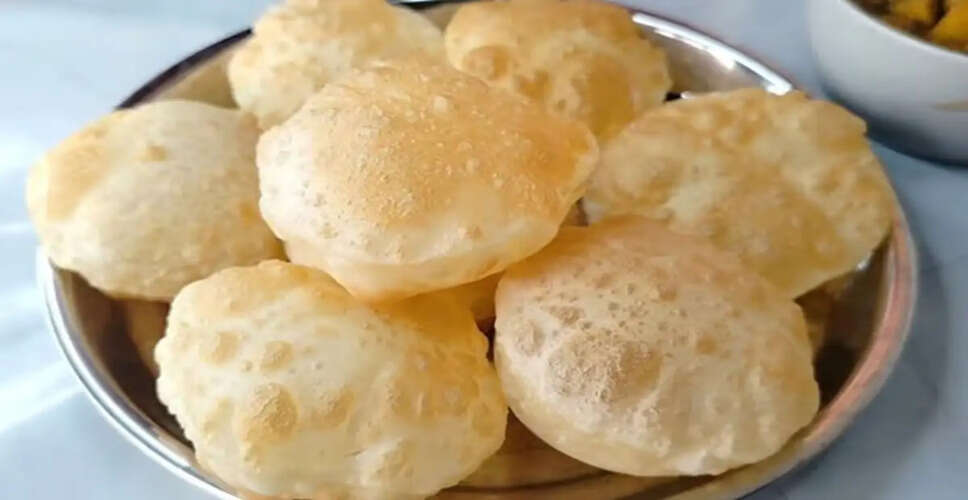

How to Create Perfect Puri
How to Create Perfect Puri: Fluffy, hot puris can significantly enhance any meal. Whether it's a festive occasion, a special weekend lunch, or a gathering with friends, puris and kachoris are staples in many Indian households. However, despite the effort, puris can sometimes turn out flat, hard, or greasy. This often stems from small mistakes, including how the dough is prepared, the temperature of the oil, and the rolling technique.
The good news is that with a few straightforward kitchen tips, you can consistently achieve perfectly puffed and crispy puris, similar to those from a market. If you've ever wondered why your puris don't puff up, continue reading to learn about common pitfalls, the right methods, and simple tips for making the ideal puri.
1. Kneading the Dough to the Right Consistency
To create puffed puris, the first step is ensuring the dough has the correct consistency. Many people knead puri dough as they would for rotis, resulting in overly soft dough that fails to puff when fried. The dough for puris should be slightly firmer, allowing it to maintain its shape while rolling and enabling steam to build up during frying. Gradually add water while kneading, and work the dough thoroughly. Incorporating a bit of salt and a spoonful of oil or ghee can improve both the flavor and texture of the puris.
2. Avoiding Extended Resting of the Dough
Allowing the puri dough to rest for too long can change its moisture content, leading to a loose or slack dough that won't puff up properly when fried. If you're planning to make puris, aim to roll and fry them soon after kneading. If you need to let the dough sit, cover it to prevent the surface from drying out.
3. Ensuring Correct Oil Temperature
The oil temperature is crucial for achieving puffed puris. If the oil isn't hot enough, the puris will fry slowly and absorb too much oil, resulting in a heavy and flat texture. Conversely, if the oil is too hot, the puris may brown quickly on the outside while remaining raw inside. The best practice is to heat the oil thoroughly and maintain a medium flame. Once you drop the puri in and it begins to rise, gently press down on it.
4. Rolling the Puri to the Right Thickness
The thickness of the puri is essential for proper puffing. If rolled too thin, it may become crispy instead of puffing up fully. If too thick, it won't cook through. Aim for a consistent size and thickness across all puris to ensure even cooking and puffing.
5. Using the Correct Frying Technique
Even with the right dough and oil, puris may not puff up if the frying technique is incorrect. After placing the puri in the oil, apply gentle pressure with a slotted spoon or ladle. This encourages the puri to puff up like a balloon due to the hot oil and steam. Fry the puri until it turns golden brown on both sides, but avoid overcooking to ensure a crispy and delicious result.
PC Social Media