
Mastering the Art of Making Fluffy Dhokla at Home
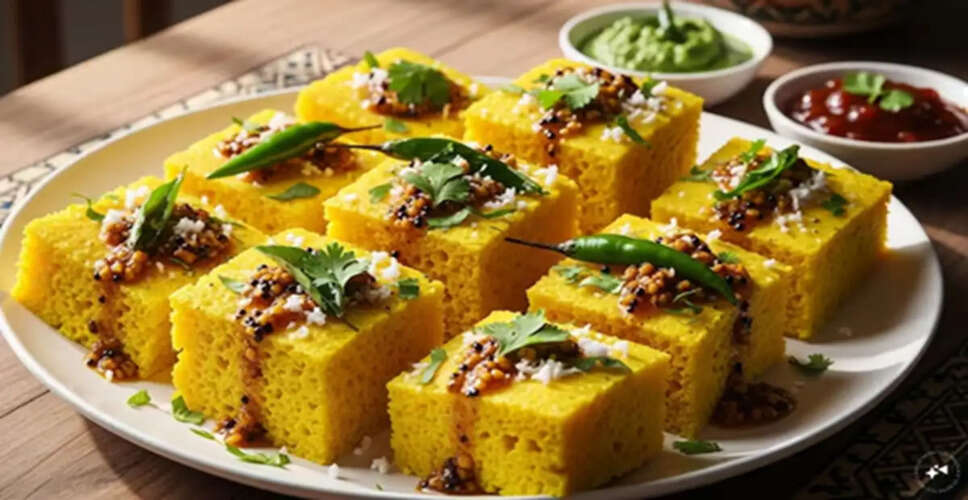

The Perfect Dhokla: A Gujarati Delight
Dhokla, a beloved snack from Gujarat, is known for its airy, soft, and spongy texture. Many home cooks struggle to replicate the fluffy quality of store-bought dhokla. If you're eager to create the ideal dhokla, follow these straightforward yet effective tips to achieve a spongy and flavorful result.
1. **Crafting the Ideal Batter**
Creating the batter is a vital step in making dhokla, whether you use gram flour (besan) or a combination of rice and gram flour. The batter should have a balanced consistency—not too thick or too runny—allowing it to flow smoothly from a spoon. Whisking the batter well is essential, as it introduces air, contributing to a lighter texture.
2. **Importance of Fermentation**
For *khatta* (sour) dhokla, it's important to let the batter ferment for several hours. This fermentation process generates air bubbles, which are crucial for achieving a spongy texture. In warm conditions, this may take around 6–8 hours, while cooler temperatures might require additional time.
3. **Using Eno or Baking Soda Correctly**
Eno (fruit salt) is a popular choice for making dhokla fluffy. Once added to the batter, it should be steamed right away, as the chemical reaction starts immediately, creating bubbles. Delaying the steaming process can lead to a denser dhokla. While baking soda is an alternative, Eno typically provides better results.
4. **Steaming Techniques**
Utilize a steamer or pressure cooker for cooking dhokla. Preheat the steamer beforehand. After pouring in the batter, steam it on medium heat for 15–20 minutes. Cooking at excessively high temperatures can result in a hard exterior while leaving the inside undercooked.
5. **Mold Preparation**
Before adding the dhokla batter, lightly grease the mold with oil to prevent sticking. Additionally, avoid overfilling the mold, as the dhokla will rise during cooking.
6. **Balancing Water Content**
It's crucial to maintain the right water balance in the batter. Excessive water can lead to a heavy and sticky dhokla, while too little can make it dry.
7. **Tempering and Moisture Retention**
After cooking, drizzle a tempering (Tadka) made with mustard seeds, curry leaves, and green chilies over the dhokla. Adding a mix of water and sugar to the tempering before pouring it enhances the softness and flavor of the dish.