
Mastering the Art of Flaky Parathas: Tips and Techniques
The Delight of Parathas
Parathas are a culinary delight that can elevate any meal, whether enjoyed at breakfast or dinner. If your partner has a preference for parathas over puris, it becomes crucial to perfect your paratha-making skills to ensure they are light and flaky.
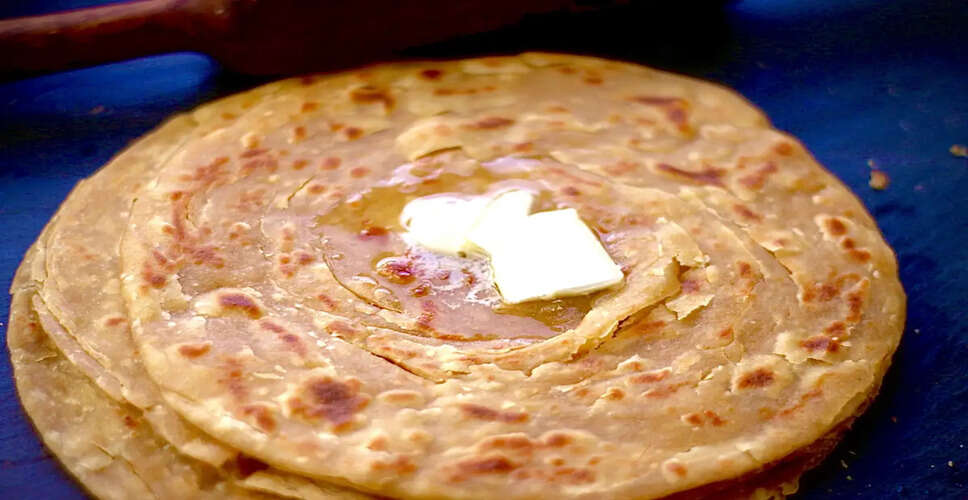
Picture this: as each layer of the paratha unfolds, topped with a generous dollop of butter, your loved one will be thrilled and will surely sing your praises. Let’s delve into some effective techniques to enhance the flakiness and flavor of your parathas.
Kneading the Dough
The Art of Kneading the Dough
To achieve that perfect flakiness, incorporate a small amount of maida (all-purpose flour) into your wheat flour. When kneading, use lukewarm water and add a pinch of salt along with 1–2 teaspoons of oil or ghee. The dough should be pliable, not too stiff or too soft, making it easy to roll out.
Resting the Dough
Allowing the Dough to Rest
Rolling out the dough immediately after kneading can lead to tough parathas. To avoid this, cover the dough with a damp cloth and let it rest for at least 20–30 minutes.
Creating Layers
The Correct Method for Creating Layers
The key to a flaky paratha lies in its layering. Roll out a ball of dough, spread a thin layer of ghee, and sprinkle some dry flour on top. You can either roll it into a log or fold it like an accordion, then reshape it into a ball. This technique ensures that distinct layers form as you roll it out.
Rolling and Cooking
The Right Balance of Rolling and Cooking
When rolling out the paratha, aim for a medium thickness to allow the layers to separate beautifully. Always heat the tava (griddle) over medium-high heat; if it’s too hot, the paratha may burn on the outside while remaining uncooked inside.
Choosing Cooking Fat
Choosing Between Ghee and Oil
For an authentic taste, cooking parathas in ghee is ideal, but oil can be used for a lighter option. Ensure the paratha is cooked thoroughly on both sides, spreading the ghee evenly.
Stuffing for Extra Flavor
Make it Special with Stuffing
Stuffed parathas are a delightful variation. You can fill them with potato, paneer, cauliflower, radish, spinach, fenugreek, or cheese, seasoned with your favorite spices. Be cautious not to over-moisten the stuffing to prevent tearing the paratha.
Serving Suggestions
Presentation and Serving
Serve your hot parathas with a dollop of butter, yogurt, pickles, and green chilies. Adding onion slices on the side enhances the overall flavor. Occasionally, consider pairing them with raita or chutney for an extra touch.
Social Media
PC Social Media