
Mastering the Art of Cooking Rice: Pot vs. Pressure Cooker
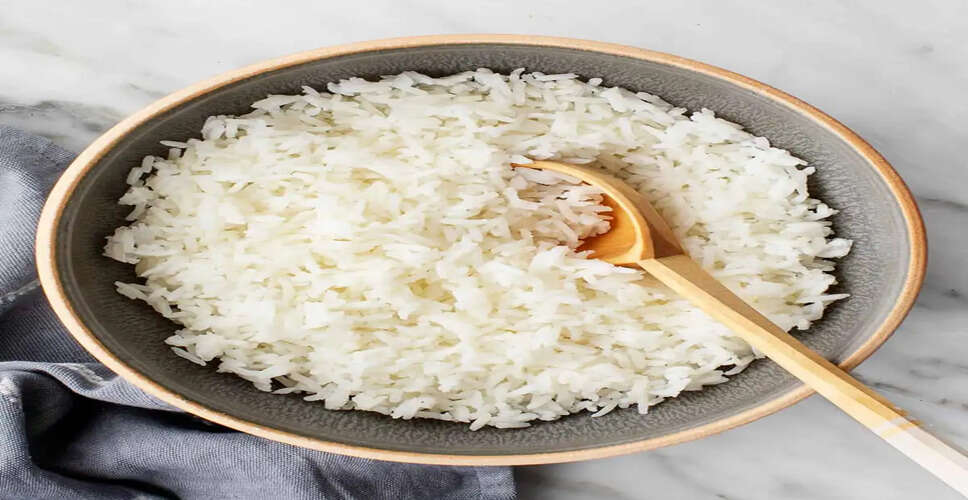

The Essential Guide to Cooking Rice
Cooking Rice Perfectly: Rice is a fundamental ingredient in Indian cuisine, accompanying dishes like *Dal-Chawal* (lentils with rice), *Rajma-Chawal* (kidney beans with rice), *Sambar-Rice*, as well as *Biryani* and *Pulao*. A common debate among cooks is whether to use a pressure cooker or a traditional pot (*bhagona*) for preparation.
While some prefer the pot method, many households opt for the pressure cooker. Understanding the proper techniques and how the choice of cooking vessel impacts the nutritional quality of rice is crucial.
Each method has its unique benefits. Pressure cookers expedite the cooking process and conserve fuel, while pot cooking allows for better control over water levels and the final texture of the rice. Some argue that draining excess starch (*maad*) when using a pot results in lighter rice, but experts caution that this can also lead to nutrient loss.
In this article, we will evaluate both cooking methods based on several factors, including taste, nutrition, time efficiency, fuel conservation, texture, convenience, and health considerations, helping you decide which method suits your preferences best.
Benefits of Using a Pressure Cooker
Pressure cookers are a staple in many Indian kitchens today, offering several advantages:
- Rice cooks in a shorter time frame.
- Reduces gas and electricity usage.
- Requires minimal effort for cooking.
- Ideal for daily meal preparation.
- Produces soft rice when the correct water ratio is used.
- Facilitates cooking large quantities easily.
Drawbacks of Cooking Rice in a Pressure Cooker
However, there are some limitations to using a pressure cooker:
- Rice may become sticky if too much water is added.
- Grains can break if the cooking time exceeds the recommended whistles.
- Not all rice varieties have the same cooking time.
- Less control over the final texture of the rice.
Advantages of Cooking Rice in a Pot
Many families and chefs still prefer the traditional pot method for cooking rice. Here are some benefits:
- Grains are fluffier and more distinct.
- Water levels can be adjusted during cooking.
- Allows for draining excess starch.
- Particularly useful for *pulao* or long-grain rice.
- Provides better control over texture.
Limitations of Cooking Rice in a Pot
On the downside, cooking rice in a pot has its challenges:
- It requires more time to cook.
- Gas consumption may increase.
- Constant attention is needed during cooking.
- Care must be taken when draining water.
Nutritional Comparison: Pot vs. Pressure Cooker
The nutritional superiority of rice cooked in a pot versus a pressure cooker depends on the cooking method employed. Key considerations include:
- Draining excess water from the pot can lead to the loss of some water-soluble nutrients.
- Conversely, this method reduces starch content.
- Using a pressure cooker with minimal water helps retain most nutrients within the rice.
- Whole-grain varieties like brown rice offer more fiber than white rice, regardless of the cooking method.
Taste and Texture Differences
There are distinct differences in taste and texture between rice prepared in a pressure cooker and that cooked in a pot.
Pressure Cooker: Produces soft and slightly moist rice, ideal for everyday meals.
Pot: Results in more distinct grains, making it preferable for *pulao*, fried rice, and special dishes.