
Mastering Homemade Curd: Tips for Perfect Texture
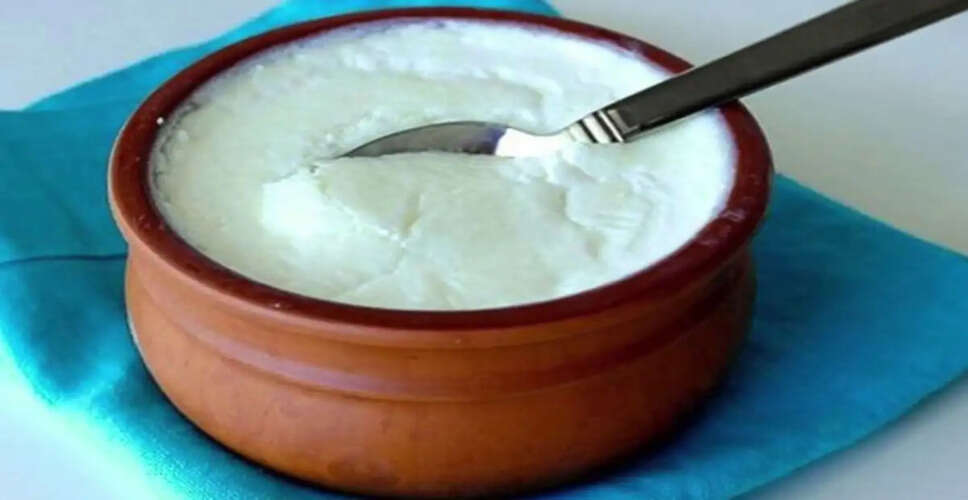

The Importance of Curd in Indian Cuisine
Curd is an integral component of Indian cooking, featuring in dishes like *raita*, *chaas* (buttermilk), and *lassi*, and is commonly served with meals. Many households opt to prepare curd at home instead of purchasing it, as homemade versions are often fresher and tastier. However, a frequent issue encountered is that the curd may release excess water, become runny, or fail to set properly.
The success of setting curd hinges on several factors, including the temperature of the milk, the quantity of starter culture (*jaman*) used, and the conditions under which it is stored. Even slight missteps can significantly affect the texture of the curd.
Crucial Factors for Setting Curd
**Milk Temperature is Key**
Achieving the right milk temperature is vital for successful curd setting. If the starter culture is added to milk that is excessively hot, it can damage the beneficial lactic acid bacteria, hindering proper curd formation. On the other hand, if the milk is too cold, fermentation slows down, delaying the setting process. Ideally, the starter culture should be mixed into lukewarm milk to activate the bacteria and kickstart the transformation of milk into curd.
**Proper Amount of Starter Culture**
There is a common misconception that increasing the amount of starter culture will expedite the setting process and yield thicker curd. However, this is not always true. Excessive starter can lead to sour curd, while insufficient amounts can extend the setting time. Finding the right balance is essential.
**Setting Location Matters**
The environment where the curd is set also impacts its consistency. Frequent movement of the container or placing it in a cooler area can disrupt the setting process. It is best to keep the curd in a location with a stable temperature. Cold weather can prolong the setting time, while warmer conditions facilitate quicker setting. Additionally, the quality of milk plays a significant role in the creaminess and thickness of the curd; using high-fat milk typically results in a richer, thicker curd. Properly boiling and slightly reducing the milk can enhance the curd's texture by increasing the concentration of milk solids.
Conclusion
PC Social Media