
Managing Skin Itching During the Monsoon Season
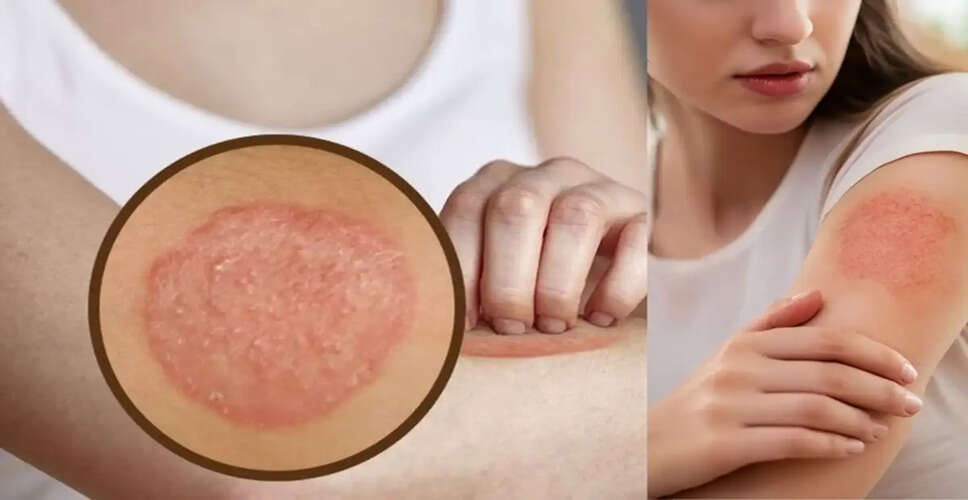

Understanding Skin Itching in Monsoon
Skin Itching During Monsoon: While the monsoon season brings a welcome break from the heat, it also introduces high humidity and stickiness that can negatively impact skin health. Research from the National Institutes of Health (NIH) and the Indian Association of Dermatologists (IADV) indicates a significant increase of 30% to 40% in skin infections and itching during this time. If you experience ongoing skin redness, rashes, or itching, it’s essential to identify the causes and take appropriate care.
To fully enjoy the refreshing monsoon, prioritize personal hygiene and consult a healthcare professional if symptoms worsen.
Common Causes of Skin Itching in Rainy Weather
Key causes of skin itching during the rainy season:
1. Fungal and bacterial infections: The high humidity prevents sweat from evaporating quickly, leading to moisture buildup in skin folds (like thighs, armpits, and between toes), which can promote fungal infections such as 'Tinea' (ringworm) and 'Candidiasis'.
2. Heat rash and clogged pores: The combination of sweat and dirt can block skin pores, resulting in heat rash and pimples that cause significant itching.
3. Contaminated water and eczema: Exposure to polluted rainwater can heighten the risk of skin allergies and eczema.
4. Insect bites: The monsoon encourages the proliferation of small insects, whose bites can lead to swelling and itching.
Tips for Relieving Itching
How to get relief from itching?
1. Keep the skin dry and clean: Shower with clean water right after getting wet in the rain and ensure your body is thoroughly dried. Opt for loose-fitting cotton clothing.
2. Use anti-fungal powder: Apply anti-fungal powder to areas prone to excessive sweating.
3. Neem and Aloe Vera: For natural relief, add water boiled with neem leaves to your bath, or apply fresh aloe vera gel to the affected area.
4. Mild soap and moisturizer: Choose mild or antibacterial soap instead of harsh soaps. If your skin feels dry, apply a light moisturizer.
When to Consult a Doctor
When should you seek medical advice?
Typically, mild itching resolves within 2–3 days with proper hygiene and home care. However, it is advisable to consult a healthcare provider or dermatologist if:
- The itching lasts more than 4–5 days without improvement from home remedies.
- The affected area exhibits significant redness, swelling, or pus.
- The itching is accompanied by a high fever or widespread rashes.
- The itching disrupts your sleep.
To enjoy the pleasant monsoon weather, maintain personal hygiene and seek timely medical advice if symptoms become severe.