
Managing Gas and Acidity After Festive Celebrations


Gas and Acidity After the Festive Season
Gas and Acidity After the Festive Season: As the festive season unfolds, families often indulge in a variety of delicious dishes, sweets, and spicy treats. In their quest for flavor, many tend to overindulge. Celebrations like Diwali often lead to increased consumption of fried foods, sugary treats, and late-night eating, which can negatively impact digestive health. Once the festivities are over, numerous individuals find themselves dealing with symptoms such as gas, acidity, stomach burning, sour belching, bloating, and indigestion.
This prompts the question: how can these issues be avoided? Are there specific dietary errors that lead to gas and acidity? In fact, irregular eating habits and a disrupted daily routine are often significant contributors. Let’s delve into the common mistakes to steer clear of after the festive season to maintain digestive health and prevent gas and acidity.
Understanding the Causes of Gas and Acidity Post-Festivities
During the festive season, it’s typical for eating habits to change. People generally consume more fried, spicy, and sugary foods than usual. Additionally, eating late at night or lying down right after meals can worsen acidity.
Key factors include:
Overeating.
High oil and spice content in food.
Late-night eating.
Going to bed right after meals.
Excessive tea and coffee intake.
Prolonged periods of fasting.
Mistakes to Avoid for Better Digestive Health
1. Limit Deep-Fried Foods
During festivals, treats like samosas, kachoris, and pakoras are popular. However, these high-fat foods can delay stomach emptying and may trigger or worsen acidity for some. After the festivities, choose lighter, balanced meals.
2. Moderation with Sweets
Sweets are often rich in sugar and fat. Overindulging can lead to bloating and digestive discomfort. It’s best to enjoy sweets in moderation.
3. Avoid Lying Down After Meals
Many people tend to go to bed right after dinner, which can cause stomach acid to flow back into the esophagus, resulting in heartburn. Aim to finish meals at least 2-3 hours before sleeping.
4. Don’t Drink Tea or Coffee on an Empty Stomach
For some, consuming tea or coffee without food can lead to acidity and discomfort. Those with acid reflux should be particularly cautious with caffeine.
5. Slow Down While Eating
Eating quickly often results in improper chewing and swallowing excess air, leading to gas and bloating. Take your time and chew food thoroughly.
6. Avoid Spicy Foods
Highly spiced dishes can trigger acidity and heartburn for some individuals. After the festivities, opt for lighter meals such as lentils, rice, roti, and minimally spiced vegetables.
Recommended Foods for Gas and Acidity Relief
What to Eat When Experiencing Gas or Acidity?
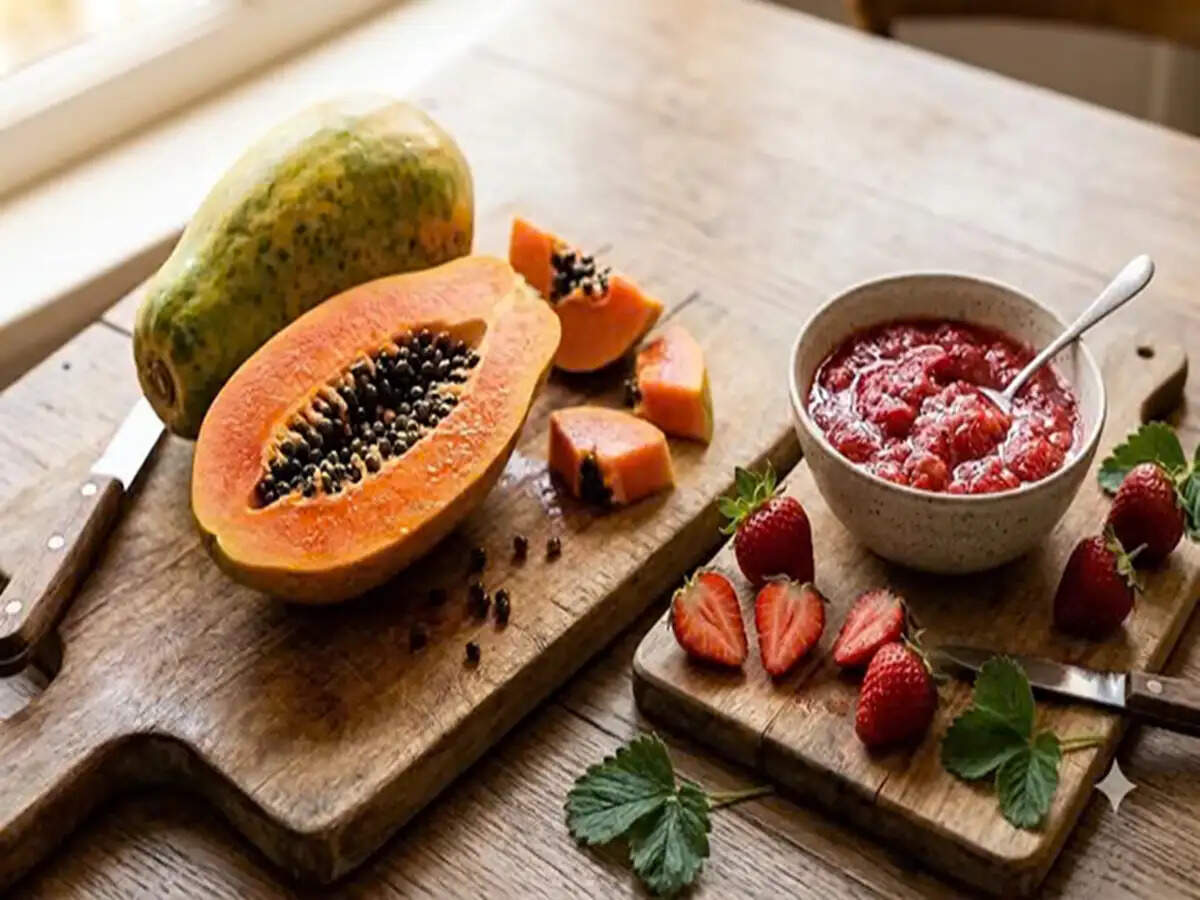
Papaya: Contains fiber that aids digestion.
Oatmeal: A light, fiber-rich option.
Moong dal khichdi: A simple, lightly spiced meal.
Yogurt: Plain yogurt can support digestion for some.
Banana: Ripe bananas may soothe acidity.
Stay Hydrated: Drinking enough water throughout the day is crucial.
Stay Healthy Post-Festivities
PC Social Media