
Maharani Gayatri Devi: A Pioneer of Women's Empowerment in India
A Legacy of Strength and Change
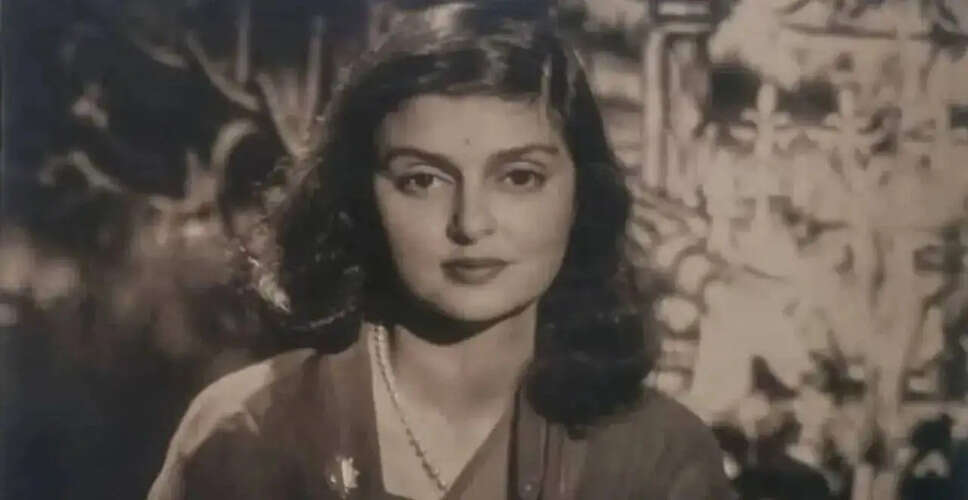
Throughout history, there have been remarkable women who paved the way for future generations. Among them, Maharani Gayatri Devi of Jaipur stands out as a symbol of strength and social change. Born into the progressive royal family of Cooch Behar, she was not only celebrated for her beauty but also recognized as a social reformer dedicated to women's empowerment, education, and rural development.
Known affectionately as "Ayesha" by her family, Gayatri Devi made headlines in 1940 when she chose to marry for love, becoming the third wife of Maharaja Sawai Man Singh II. Her marriage was a success, and she gracefully embraced her role as the Maharaja's favorite wife while also advocating for the advancement of palace women into modern society. As noted by The Telegraph, she adeptly navigated the formalities of royal life while using her influence to promote progressive ideals.
Her strong personality extended beyond the palace walls, and her husband supported her efforts to liberate women from the constraints of purdah, a practice that was prevalent before India's independence. She often attended public events without a purdah, setting an example for others.
One of her significant contributions was the founding of the Maharani Gayatri Devi Girls' School, which became the first public school for girls in India. According to the school's website, the initiative began when the Maharaja asked her how to help women escape the limitations of purdah. She proposed establishing a school, leading to the school's foundation in 1943, with support from key ministers.
Her educational initiatives have positively impacted thousands of girls and women. Additionally, she played a crucial role in reviving Jaipur's famous blue pottery industry, collaborating with social reformer Kamaladevi Chattopadhyay and artist Kirpal Singh Shekhawat. This revival not only empowered local artisans but also provided economic independence to many women in rural areas, allowing them to work from home while preserving traditional crafts.