
Maharani Chimnabai II: A Pioneer of Women's Empowerment in India

The Legacy of Maharani Chimnabai II
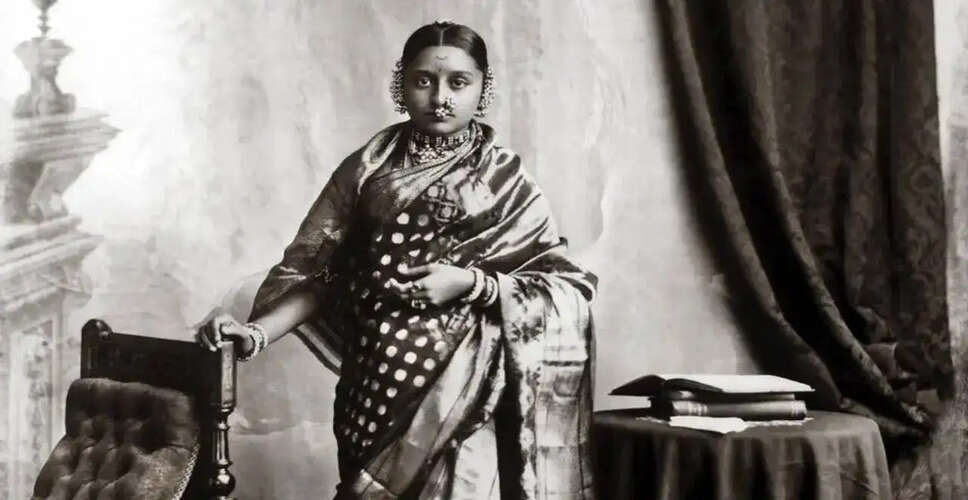
Maharani Chimnabai II, who lived from 1872 to 1958, was a trailblazer among the queens of former princely states. Not only did she navigate her domestic sphere, but she also engaged in court politics and served as a regent, significantly impacting societal norms. As the wife of Maharaja Sayajirao Gaekwad III of Baroda, she was known for her progressive views and authored the influential book, The Position of Women in Indian Life. Her legacy includes raising strong daughters, such as Indira Devi, who later became the Maharani of Cooch Behar, and Maharani Gayatri Devi of Jaipur, her granddaughter.
Chimnabai II, born to Shrimant Gajrabai Devi, became the Maharaja's second wife and adopted her title after marriage. She emerged as a significant female leader in Baroda, inspired by her husband's forward-thinking ideas. Together, they championed social reforms, particularly in women's rights. Despite adhering to the purdah system at home, she openly criticized it. With the Maharaja's backing, she made a groundbreaking public appearance in 1914 without a purdah, sitting alongside him at a Nyay Mandir event, effectively ending the purdah practice in Baroda.
Her commitment to women's education led to the establishment of schools for girls, along with financial support and scholarships. In 1914, she founded the Maharani Chimnabai Udyogalaya, also known as the Chimnabai Women's Industrial Home, aimed at empowering women, especially widows, by teaching them various crafts for self-sufficiency. Additionally, she generously donated one lakh rupees to support scholarships for women pursuing higher education in Bombay (now Mumbai). As the first President of the All India Women's Conference, her contributions to social reform serve as a powerful reminder of the vital role women leaders played in transforming princely India.