
Lunar Eclipse and Raksha Bandhan 2026: What You Need to Know
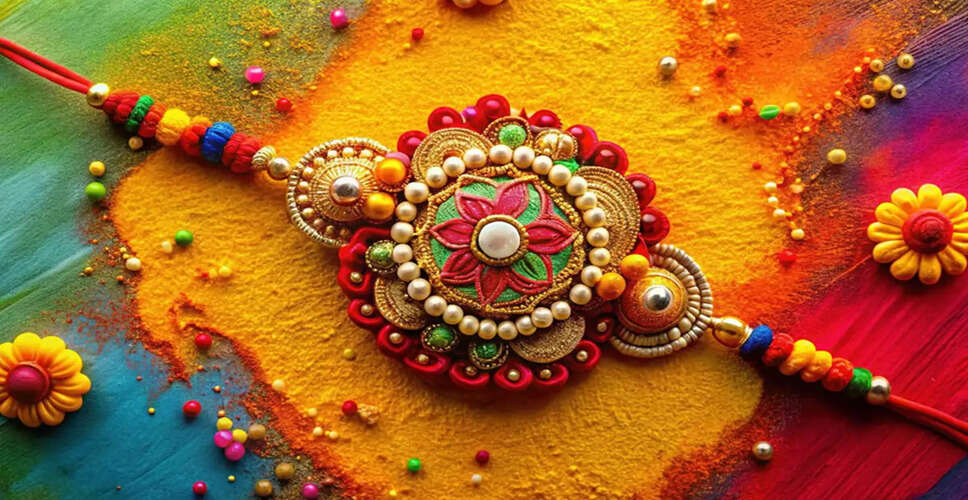

Lunar Eclipse on Raksha Bandhan 2026
This year, Raksha Bandhan falls on August 28, 2026: The cherished festival of Raksha Bandhan will be observed on a Friday, coinciding with the full moon of the Sawan month. Interestingly, this day will also witness the last lunar eclipse of 2026. This celestial event will occur under the Aquarius zodiac sign and the Shatabhisha Nakshatra. This raises an important question: will the lunar eclipse affect the timing and rituals of the Rakhi-tying ceremony? Astrological beliefs suggest that certain auspicious activities should be avoided during an eclipse, but the impact largely depends on whether the eclipse is visible. Let's explore if the lunar eclipse will interfere with the Rakhi-tying traditions...
Timing of the Lunar Eclipse
According to Indian Standard Time, the lunar eclipse will start at 6:53 AM and end at 12:32 PM: The total duration is expected to be around 5 hours and 39 minutes, featuring a deep partial eclipse. During this time, a significant part of the Moon will be obscured by the Earth's shadow, giving it a deep red or copper hue, commonly referred to as a "Blood Moon." This eclipse will be fully visible across regions including the Americas, Europe, Africa, and the Pacific and Atlantic Oceans.
Zodiac Sign and Nakshatra of the Eclipse
Astrologers indicate that the lunar eclipse will take place under the Aquarius sign and Shatabhisha Nakshatra: Those who adhere to eclipse-related customs may observe practices such as fasting, advising pregnant women to remain indoors, chanting mantras, and meditating. However, these customs are not obligatory in areas where the eclipse is not visible.
Lunar Eclipse Not Visible in India
Experts confirm that this lunar eclipse will not be visible in India: As a result, it is unlikely to disrupt Raksha Bandhan celebrations across the country. Sisters can confidently tie Rakhis to their brothers during the auspicious time, and the traditional rituals can proceed as planned. Since the eclipse will not be visible in India, the *Sutak* period (the inauspicious time before an eclipse) will not apply. Typically, the *Sutak* period for a lunar eclipse begins about nine hours prior to the event.
Devotees Should Avoid Unnecessary Confusion
As the lunar eclipse will not be visible in India on Raksha Bandhan: There is no reason for concern; you can celebrate this sacred festival without hesitation. However, it is important to be mindful of the *Bhadra Kaal*, as tying the Rakhi during this time is deemed inauspicious. Raksha Bandhan represents the enduring bond of love and trust between siblings. On this day, sisters tie a protective thread (*Raksha Sutra*) around their brothers' wrists, praying for their happiness, prosperity, and longevity, while brothers vow to protect them. Amidst the concerns regarding the eclipse, experts encourage devotees to remain calm and avoid unnecessary confusion.
Social Media
PC Social Media