
Jorhat Pig Farmers Face Severe Losses Amid ASF Outbreak
Impact of African Swine Fever on Local Farmers
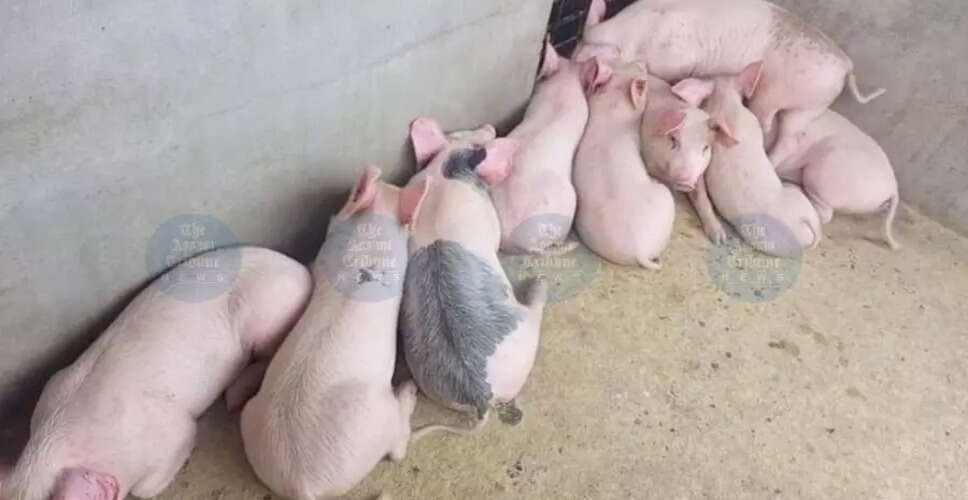
Jorhat, Dec 5: Pig farmers in Jorhat are experiencing significant financial setbacks as the sale and transportation of pigs have been halted for over a month due to the outbreak of African Swine Fever (ASF). This restriction, which began on November 3, has severely affected pig markets in various Upper Assam districts, with no clear timeline for when operations might resume.
Ripunjay Chakravarty, the District Veterinary Officer (DVO), confirmed that ASF has spread to Jorhat from nearby Dhemaji and Lakhimpur districts.
“Samples from deceased pigs were sent to Delhi for testing, which confirmed the disease's presence,” he stated.
The virus has been identified in 20 locations within Jorhat, resulting in the culling of 522 pigs. Chakravarty mentioned that the Animal Husbandry Department is actively engaged in managing the situation.
“Our team remains vigilant and is continuously working in the field,” he added.
According to the DVO, the situation has improved since the closure of pig markets.
“The spread of swine fever began to decline immediately after we shut down the markets,” he emphasized, noting that these restrictions are crucial for protecting the local pig industry.
Despite this, the economic repercussions are dire. With the ban on pig movement still in place and no updates from authorities in Delhi or Guwahati, farmers are left uncertain about the future of their trade.
“All decisions regarding market closures or openings are made by officials in Delhi and Guwahati. We have yet to receive any updates. The upcoming days will be tough,” he warned.
Chakravarty characterized ASF as a rapidly spreading disease, likening its transmission among pigs to the spread of COVID-19 among humans. While it poses no threat to humans, the virus is extremely contagious among pigs.
“Even a bird that interacts with an infected pig can transmit the virus to another farm,” he explained.
In a strong appeal, the DVO urged farmers to strictly follow biosecurity measures.
“By maintaining proper biosecurity, pig farmers can significantly lower the infection rate,” Chakravarty advised.
He recommended that farmers regularly disinfect their premises, utilize bleaching powder and potash, keep separate clothing for farm work, disinfect footwear, and limit movement to prevent unintentional spread.
He also cautioned that any breaches of the district administration's restrictions, particularly illegal pig sales during the ban, would lead to strict legal consequences.
“Anyone caught selling pigs during this period could face imprisonment,” he warned.
Reiterating that these measures are designed to protect the pig population and stabilize the industry, Chakravarty called for full cooperation from farmers during this challenging time.