
Is Your Child's Busy Schedule Affecting Their Well-Being?
Understanding Your Child's Daily Routine
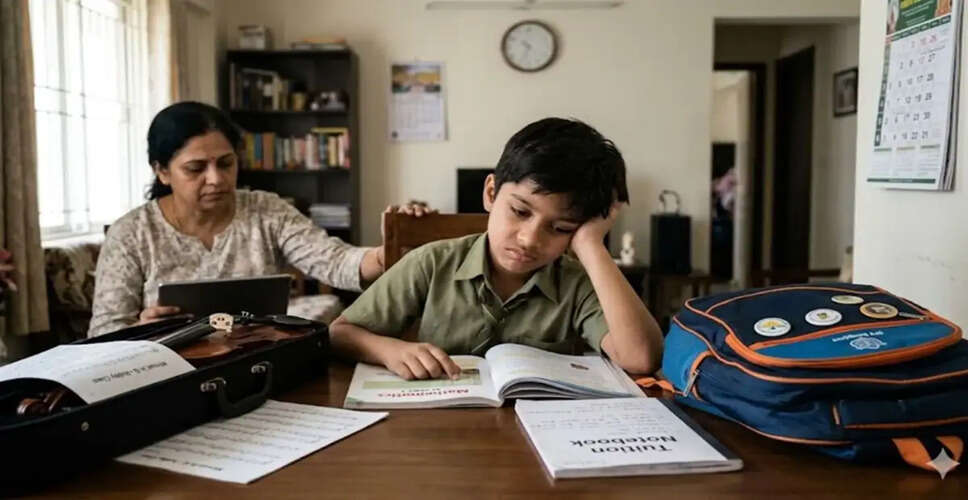
Does your child's day start at 7 AM and end at 2 PM, followed by a quick meal and tutoring at 3 PM? After that, they might have dance or cricket practice at 5 PM, leaving little time for homework in the evening. If this sounds familiar, it’s time to reflect: are we unintentionally turning our children into 'robots' rather than nurturing their humanity?
The Impact of Mental Exhaustion and Over-Scheduling
Mental Fatigue and Over-Scheduling
In the current era, parents often wish for their children to excel in both academics and sports. This desire can lead to a packed schedule filled with classes and activities, leaving little room for personal time. This situation, known as 'over-scheduling,' can lead to mental exhaustion as children rush from one obligation to the next.
Signs of Overburdening
Crying Without Cause and Constant Lethargy
Have you observed your child becoming irritable over minor issues? Do they frequently seem fatigued or cry without a clear reason? These behaviors may indicate that they are overwhelmed by their commitments. When children lack opportunities to play, rest, or simply enjoy quiet time on their own, stress can build up, leading to irritability.
Encouraging Free Time for Development
A New Trick for Smart Parents
Providing 'free time' is essential for a child's mental growth. Allow them to experience boredom occasionally; it’s during these moments that creativity can flourish. Children should have the freedom to explore parks without strict guidelines, play in the dirt, or engage with their toys in their own way.
Balancing Academics and Joy
Topping the Class Is Not a Guarantee of Success
While education and skill development are important, maintaining a balance is crucial. Childhood should not be viewed as a competition where the goal is to always come first; it is a precious time meant to be enjoyed. By easing your child's schedule, allowing them to breathe, you may find their joyful spirit returning.
Conclusion
PC Social Media