
Is Karwa Chauth Fasting Safe for Pregnant Women?
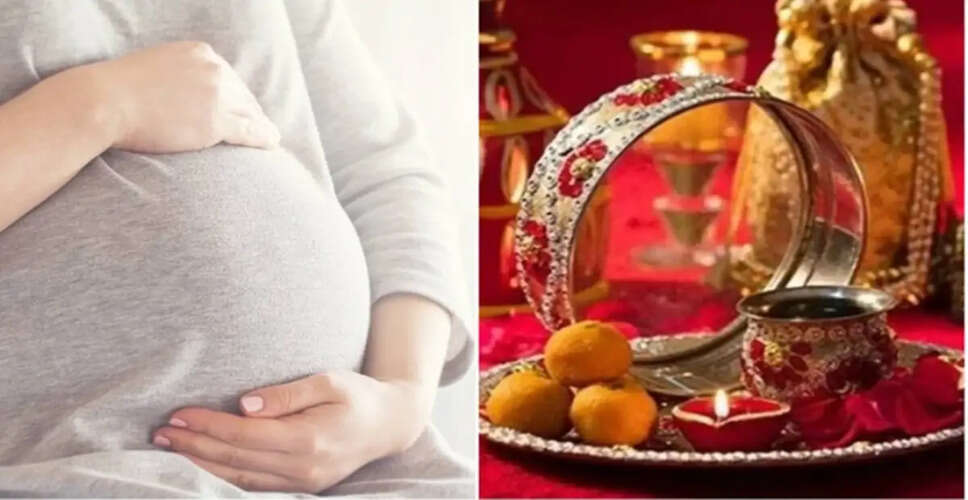

Understanding Karwa Chauth Fasting During Pregnancy
Karwa Chauth Fasting and Its Importance: The Karwa Chauth fast is a significant tradition for married women, where they observe a *nirjala* (waterless) fast from dawn until the moon appears, praying for their husbands' health and a joyful married life. However, this raises an important question for expectant mothers: is fasting safe during pregnancy?
During pregnancy, the health of both the mother and the fetus is paramount. Prolonged fasting without food or water can lead to dehydration, fatigue, dizziness, and low blood sugar levels. Therefore, should pregnant women partake in the *nirjala* fast of Karwa Chauth? Let's delve into the recommendations from gynecologists regarding fasting during pregnancy and the critical considerations to keep in mind.
Safety of Karwa Chauth Fasting for Pregnant Women
Is Fasting Safe During Pregnancy?
Gynecologists caution that undertaking a *nirjala* fast—abstaining from food and water from sunrise to moonrise—can pose risks for pregnant women. The body of a pregnant woman requires sufficient hydration, energy, and nutrients. Due to the limited research on fasting while pregnant, a *nirjala* fast is not universally safe for all expectant mothers.
Potential Risks of Fasting During Pregnancy
What Risks Are Involved?
1. Dehydration: Extended periods without water can lead to fluid deficiency in the body.
2. Weakness and Dizziness: An empty stomach can result in fatigue, headaches, and lightheadedness.
3. Blood Sugar Fluctuations: Pregnant women, particularly those with diabetes, should be especially cautious.
4. Increased Risk of Complications: Existing health conditions may heighten the risks associated with fasting.
Who Should Avoid Fasting?
Women with gestational diabetes, anemia, ongoing vomiting, dehydration, or those classified as high-risk pregnancies should refrain from fasting without consulting a healthcare provider. It is crucial to seek medical advice if you are in the early or late stages of pregnancy.
Alternatives for Observing Karwa Chauth
What Should You Do Instead?
Rather than a *nirjala* fast, consider consuming fruits or a light meal as recommended by your healthcare provider.
Stay hydrated by drinking plenty of water and other appropriate fluids throughout the day.
Incorporate nutritious foods such as fruits, milk, yogurt, and nuts into your diet.

Avoid prolonged standing, intense physical exertion, or exposure to high temperatures.
Do not discontinue any prescribed medications or pregnancy supplements without consulting your doctor.
It is important to note that merely eating fruits instead of a full meal does not guarantee safety for every pregnant woman. Make your decision based on your unique medical circumstances.