
Is Jaggery a Safe Sweetener for Diabetics? Insights and Considerations


Understanding Jaggery and Its Impact on Health
As winter approaches, many people adjust their eating habits, often incorporating jaggery (gur) into their diets to stay warm and fend off the cold. This natural sweetener is commonly found in various dishes, including tea, *laddoos*, *gajak*, and sesame-based recipes.
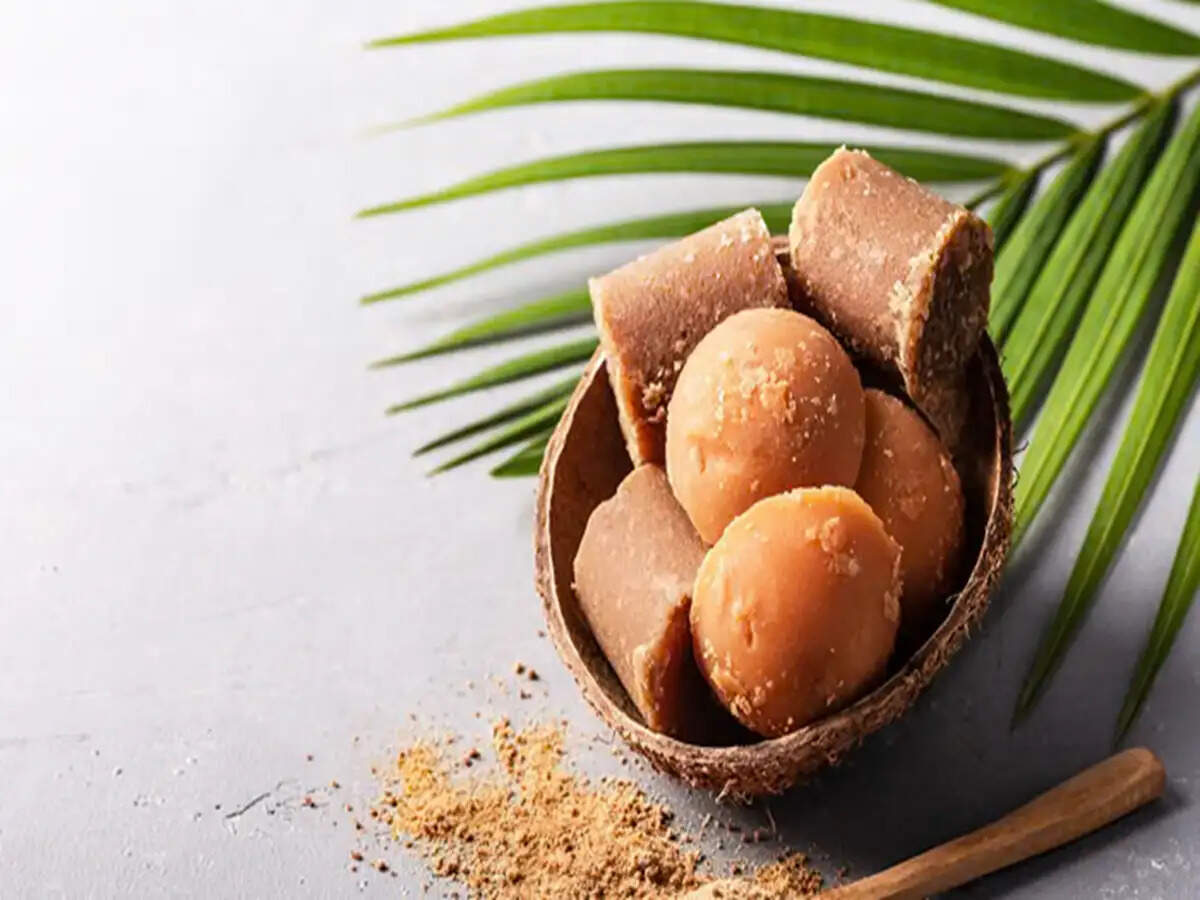
Jaggery is thought to contain iron and other minerals that may be beneficial for health. However, the question arises: is it truly advantageous to consume jaggery daily? This is particularly relevant for those with diabetes, who often wonder if jaggery can replace sugar in their diets. Let’s delve into the pros and cons of jaggery consumption during winter and what diabetic individuals should consider.
Advantages of Jaggery Consumption in Winter
1. Quick Source of Energy
Jaggery is rich in carbohydrates and sugars, providing a quick energy boost, especially in colder months. However, overindulgence can lead to increased calorie and sugar intake.
2. Contains Iron
While jaggery does have some iron content, it should not be relied upon as a primary source for combating iron deficiency. Consulting a healthcare professional for iron-rich dietary options is advisable.
3. May Support Digestion
Many people enjoy a small piece of jaggery post-meal, but scientific evidence supporting its digestive benefits is limited. It should not be considered a remedy for digestive problems.
4. Provides Essential Minerals
Jaggery contains trace amounts of minerals like potassium, calcium, and magnesium. However, it is not a sufficient source to meet daily mineral needs.
Disadvantages of Overconsuming Jaggery
1. Potential to Increase Blood Sugar
Due to its sucrose and sugar content, jaggery can elevate blood glucose levels. Diabetics should be particularly cautious with its consumption.
2. Risk of Weight Gain
Jaggery is calorie-dense. Regularly consuming it in excess can lead to an increase in overall calorie intake, potentially resulting in weight gain over time.
3. Dental Health Concerns
The sugars in jaggery can feed oral bacteria, increasing the risk of cavities, especially if dental hygiene is neglected.
4. Complications in Diabetes Management
For those with diabetes, substituting sugar with large amounts of jaggery can negatively impact blood sugar control. It is not a safe sugar alternative for diabetics.
Should Diabetics Consume Jaggery?
This is a crucial question. Many believe that because jaggery is a natural product, it is safe for diabetics. However, this is misleading. Jaggery contains significant sugar levels that can spike blood glucose. Therefore, it should not be viewed as a healthy sugar substitute. Diabetic individuals considering jaggery should consult their healthcare provider or a dietitian to tailor their diet according to their specific health needs and blood sugar levels.
PC Social Media