
Indoor Plants to Avoid for a Safe Home Environment
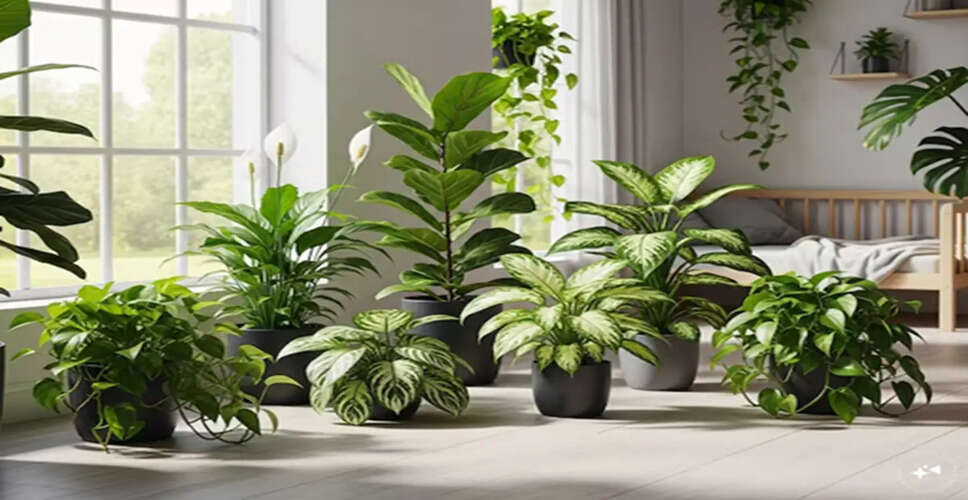

The Importance of Choosing Safe Indoor Plants
Placing greenery in your home not only boosts its visual charm but also helps in purifying the air and fostering a positive atmosphere. However, some plants, despite their appealing appearance, are not advisable for indoor settings. This can be due to their toxic characteristics, rapid growth, or maintenance challenges. It is vital to choose the right plants to ensure a safe and harmonious living space.
Plants to Avoid
One of the most notable plants to steer clear of is *Dieffenbachia*, commonly referred to as Dumb Cane. Known for its large, attractive leaves, the sap within them is toxic. Contact with skin or ingestion can lead to irritation, swelling, and severe allergic reactions, making it unsuitable for homes with children or pets.
Next is Oleander, which boasts stunning flowers but is highly toxic. All parts of this plant, including leaves, flowers, and stems, can cause serious health issues if ingested, thus it should not be kept indoors.
Cacti, while trendy and decorative, have spines that are often associated with negative energy and pose a risk of physical injury. They are not recommended for smaller homes or those with children.
The Tamarind tree, although popular for its culinary uses, is not ideal for indoor planting due to its rapid growth and potential to disrupt the spatial arrangement of your home.
Lastly, the *Babul* (Acacia) tree is also unsuitable for indoor environments. Its thorny branches and association with harsh energy, along with its fast growth, can adversely affect the surrounding soil and landscape.
Conclusion
While cultural beliefs may surround these plants, the primary concerns from a scientific viewpoint focus on their toxicity, maintenance needs, and safety risks. Therefore, when selecting plants for your home, it is crucial to consider not just their aesthetic appeal but also their nature and potential impact. Choosing the right plants can enhance your home's beauty while ensuring a safe and balanced environment.
PC Social Media