
Incorporating Brown Rice for Effective Weight Management

The Role of Brown Rice in Weight Loss
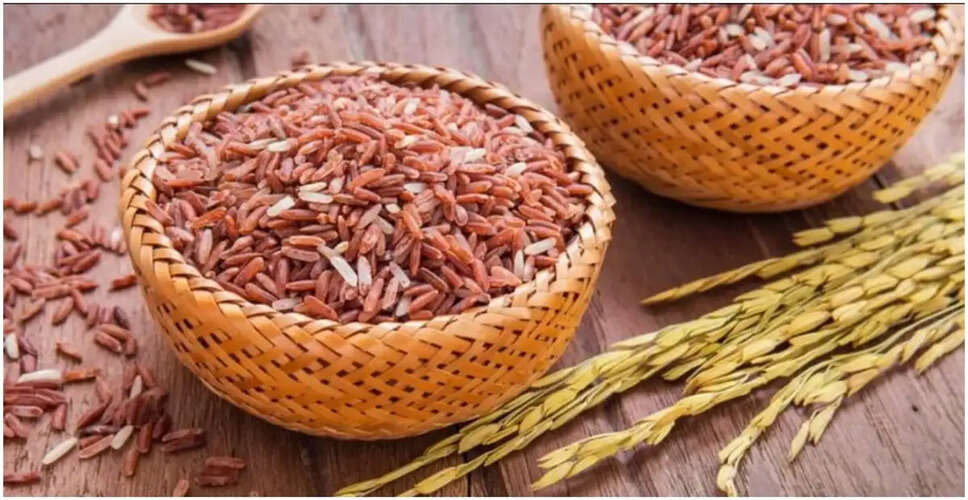
Nowadays, many individuals are altering their eating habits to shed pounds. Some choose to eliminate rice from their meals, while others cut back on *roti* (flatbread). However, completely avoiding rice isn't necessary for weight loss; instead, integrating brown rice into your meals can be beneficial. The fiber found in brown rice aids in weight control by promoting satiety, which helps curb frequent cravings and reduces the likelihood of overeating.
Benefits of Brown Rice for Weight Management

How Brown Rice Supports Weight Loss
Dr. Swati Chauhan, a practitioner based in Noida Sector 53, explains that brown rice is higher in fiber compared to its white counterpart. This fiber content helps maintain a feeling of fullness for a longer duration after meals, which can decrease the desire to snack and assist in managing overall calorie consumption. Therefore, those looking to lose weight can benefit from including brown rice in their diet. However, it is crucial to remember that simply consuming brown rice is not sufficient; a well-rounded diet and consistent exercise are vital components of a successful weight loss strategy.
Comparing Brown Rice and White Rice
Key Differences Between Brown and White Rice
The main distinction between brown rice and white rice is in their processing methods. Brown rice retains its outer layer and bran, while these components are stripped away during the production of white rice. As a result, brown rice is more nutrient-dense, offering higher levels of fiber, vitamins, minerals, and antioxidants, whereas white rice has considerably fewer nutrients.

Incorporating Brown Rice into Your Diet
Guidelines for Adding Brown Rice
While brown rice is a nutritious option, moderation is key. Merely switching to brown rice won't guarantee weight loss; your diet should also encompass lentils, leafy greens, salads, and protein-rich foods. Furthermore, engaging in daily physical activity and ensuring adequate sleep are essential for effective weight management. If you're considering replacing white rice with brown rice, tailor your choices based on your dietary needs and preferences.
Stay Connected
PC Social Media