
Identifying Serious Dandruff Issues: Key Signs to Watch For
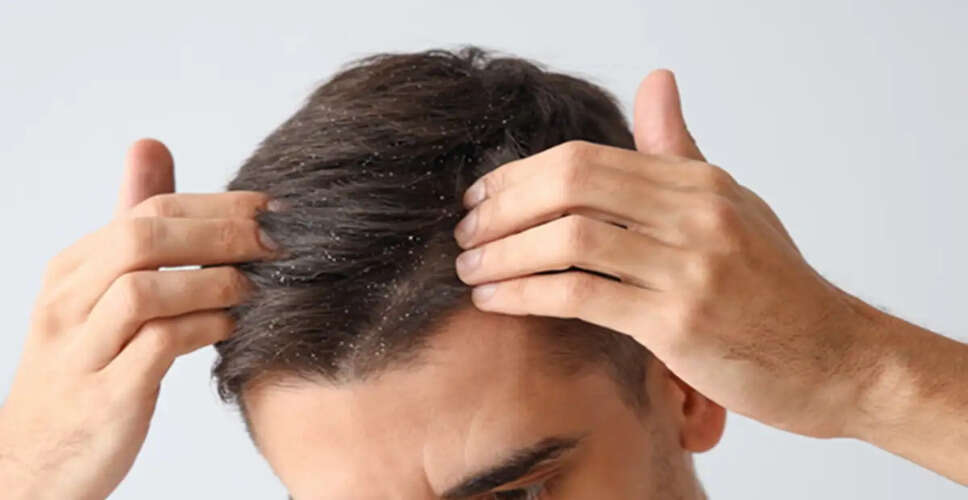

Understanding Dandruff: More Than Just Dry Skin
Recognizing Problematic Dandruff: Dandruff is a widespread concern, but it shouldn't be simply attributed to dry skin. Various factors can contribute to dandruff, including seasonal shifts, excess oil on the scalp, fungal growth, inappropriate hair care products, or specific scalp disorders.
Typical dandruff usually manifests as white or light yellow flakes and may cause mild itching. However, if it persists or is accompanied by other scalp issues, it could indicate an underlying skin condition. Symptoms might also spread beyond the scalp to the face, ears, or other body areas.
Thus, if dandruff keeps returning, it's crucial to identify the root cause. Let's explore when dandruff is considered abnormal and which symptoms warrant attention.
Signs of Concern
1. Persistent Itching
While mild itching is common with dandruff, persistent or severe itching that leads to constant scratching should not be overlooked. Excessive scratching can create small wounds on the scalp and heighten irritation.
2. Scalp Redness or Inflammation
If dandruff is accompanied by redness, a burning sensation, or inflammation, it may indicate a more serious issue. Consulting a dermatologist is advisable, especially if these symptoms continue.
3. Thick, Adherent Flakes
Occasionally, white or yellow flakes can become thick and adhere to the scalp. Avoid scraping them off with your nails. If these flakes persist or if you experience pain and burning sensations, a medical evaluation may be necessary.
4. Significant Hair Loss
While dandruff itself isn't always a direct cause of hair loss, persistent itching, inflammation, and aggressive scratching can impact hair health. If you notice sudden or excessive hair loss along with dandruff, it's important to consult a healthcare professional.
5. Spread to Other Areas
If redness and scaling extend beyond the scalp to the eyebrows, around the ears, or along the sides of the nose, it may suggest another skin condition. Seeking expert advice is recommended rather than self-treating with creams or medications.
When to Seek Medical Advice
Consult a dermatologist if dandruff persists for several weeks despite home remedies, or if you notice scalp sores, pus, severe pain, inflammation, or rapid hair loss. Proper treatment can only be determined after identifying the underlying cause.
PC Social Media