
How to Test the Purity of Turmeric at Home
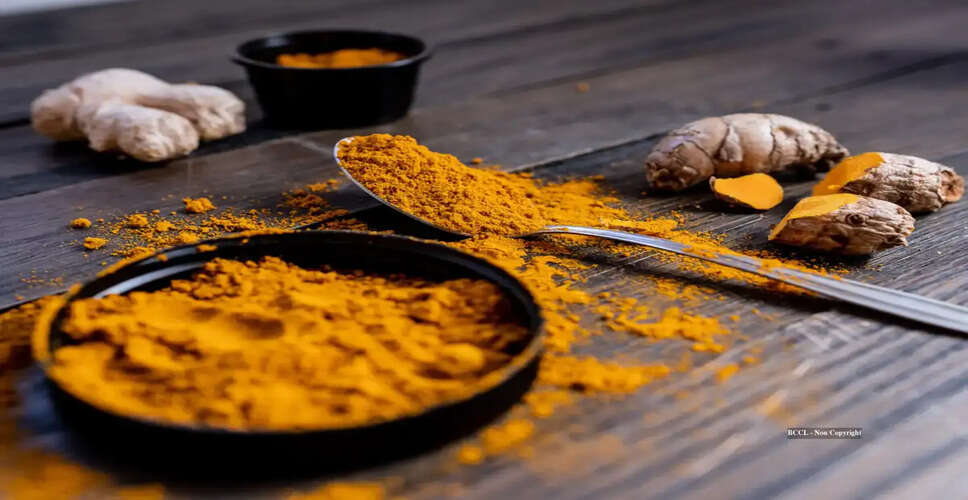

Understanding Turmeric Purity
Turmeric is a common ingredient in many kitchens, known for its ability to enhance the color and flavor of various dishes. However, discerning the purity of turmeric powder bought from stores can be quite difficult. Fortunately, you can conduct some simple tests at home to get an initial idea of its quality, such as observing how it behaves in water or examining its texture.
It's crucial to understand that these home tests are not foolproof. According to the Food Safety and Standards Authority of India (FSSAI), there are specific indicators to consider when testing turmeric. Here are some methods to keep in mind.
1. Check the Color in Water
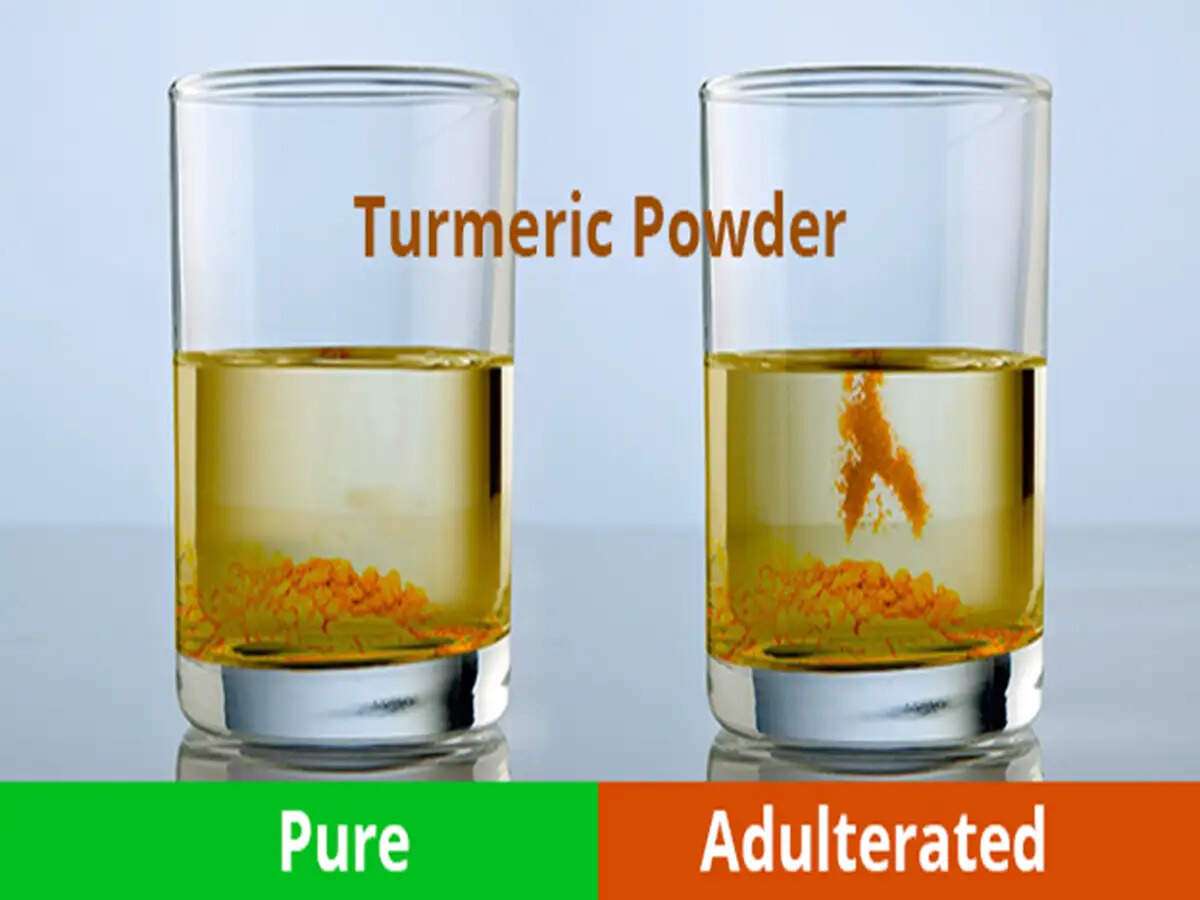
Following the FSSAI’s DART (Detect Adulteration with Rapid Test) guidelines, this method can help you identify if artificial colors have been added to the turmeric. Take a clear glass of clean water and add a teaspoon of turmeric powder without stirring. Allow the powder to settle. Natural turmeric will give the water a light yellow tint, while turmeric with artificial coloring will turn the water a deep yellow.
Remember, this is just a preliminary test. The color of the water alone cannot confirm the complete purity of the turmeric or identify specific adulterants.
2. Observe Floating Particles
If you suspect your turmeric might contain impurities like sawdust or husk, try this method. Fill a clear glass with water and sprinkle some turmeric on the surface. According to the FSSAI’s DART guide, if the powder has foreign materials, some may float on the water's surface. However, floating particles do not necessarily indicate adulteration; careful interpretation of the results is essential.
3. Test with Whole Turmeric Rhizome
If you buy whole turmeric instead of powder, you can perform a simple test. Place the turmeric rhizome in a glass of clean water. The FSSAI states that genuine turmeric will not release color immediately, while adulterated turmeric may quickly color the water. This test is particularly useful for detecting artificial coloring in whole turmeric.
Keep in mind that the natural color of turmeric can vary based on its type and other factors, so do not rely solely on color to assess purity.
Tips for Purchasing Turmeric:
When buying packaged turmeric, always check for the FSSAI license number and packaging details. Avoid loose turmeric if you notice anything suspicious. The color or aroma of turmeric should not be considered definitive proof of its purity. If you have strong concerns about adulteration, consult a food analyst or the appropriate food safety authority for testing.