
How to Detect Adulterated Milk at Home: Simple Tests You Can Do
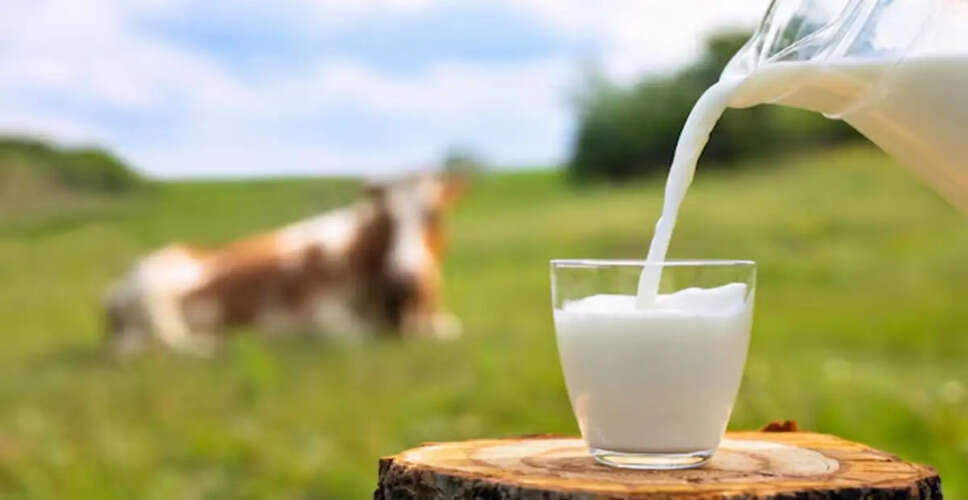

Understanding Milk Adulteration
Milk plays a crucial role in our everyday nutrition, particularly for children. However, have you ever wondered about the purity of the milk you receive at home? In today's market, milk is often adulterated with various substances, including water, starch, and even harmful chemicals like detergents, which can jeopardize health instead of providing essential nutrients.
Quick Home Tests for Milk Purity
Fortunately, you don't need to go to a lab to check for adulteration. Here are three straightforward tests recommended by the FSSAI that you can perform at home to determine if your milk is pure.
Test for Water Adulteration
Water Adulteration Test
Water is the most frequently used adulterant in milk. To test for this, you will need a slanted surface.
Testing Method:
* Position a smooth, polished surface, like a stone slab, at an angle.
* Drop a single drop of milk onto this surface.
Results:
* **Pure Milk:** A pure drop will either remain in place or flow down slowly, leaving a white trail.
* **Adulterated Milk:** If the milk is diluted, the drop will slide down quickly without leaving any trace.
Test for Detergent Adulteration
Detergent Adulteration Test
Detergents are sometimes added to milk to enhance its thickness or create foam, which can be harmful to health.
Testing Method:
* Take 5 to 10 milliliters of milk in a glass vial.
* Add an equal volume of water to the vial.
* Shake the mixture vigorously.
Results:
* **Pure Milk:** Pure milk will produce only a thin layer of foam when shaken.
* **Adulterated Milk:** If detergent is present, shaking will create a thick, lasting foam.
Test for Starch Adulteration
Starch Adulteration Test
Starch is often added to milk products like *khoya*, *paneer*, or *chhena* to enhance their texture.
Testing Method:
For Milk: Take 2–3 ml of milk.
For Khoya/Paneer/Chhena: Boil a small sample with 5 ml of water, then let it cool. Add 2–3 drops of Tincture Iodine.
Results:
Adulterated: If the mixture turns blue after adding iodine, starch is present.
Pure Product: Pure milk will not change color.
Stay Informed and Safe
By conducting these simple tests, you can ensure the milk you consume is safe and healthy. Always be vigilant about the quality of your food products.