
How to Choose the Perfect Muskmelon This Summer
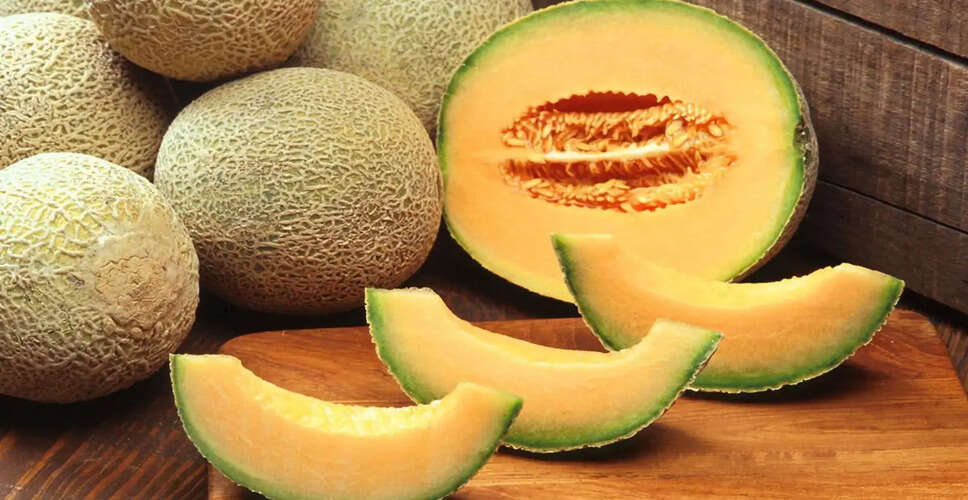
The Delight of Summer Fruits
The summer months are synonymous with a variety of seasonal fruits, with watermelons and muskmelons standing out as favorites. These fruits are not only refreshing due to their high water content but also play a crucial role in keeping the body hydrated during the sweltering heat. While both fruits are tasty and beneficial for health, many shoppers find it challenging to select a sweet muskmelon over a bland one.
Nutritional Benefits of Muskmelon
Muskmelons are composed of about 90% water, making them an excellent choice for hydration. They are also rich in essential vitamins and minerals, including Vitamin A, Vitamin C, antioxidants, and potassium, while being low in calories. This makes them a great addition to a healthy diet, supporting digestive health, boosting immunity, and benefiting various organs without contributing to weight gain.
Tips for Selecting a Sweet Muskmelon
1. Smell Test: When selecting a muskmelon, whether from a grocery store or a local vendor, start by smelling the stem area. A sweet aroma indicates ripeness and sweetness.
2. Weight Check: Regardless of its size, a heavier muskmelon suggests it is juicy and sweet. A lighter melon may indicate dryness or under-ripeness.
3. Rind Color: A ripe muskmelon's rind typically appears pale yellow or golden. If it remains green, it is not ripe. Look for a raised web-like pattern on the surface, which indicates sweetness.
4. Pressure Test: Gently press the melon; if it yields slightly, it is ripe. If it feels too soft, it may be overripe, while a hard texture suggests it is unripe.
5. Sound Check: Tapping the melon can also help; a hollow sound usually means it is ripe and ready to eat.
Enjoy Your Summer Fruits
With these tips in mind, you can confidently choose a delicious muskmelon that will enhance your summer experience. Enjoy the refreshing taste and health benefits of this delightful fruit!
PC Social Media