
How to Choose an Authentic Puja Conch Shell for Worship
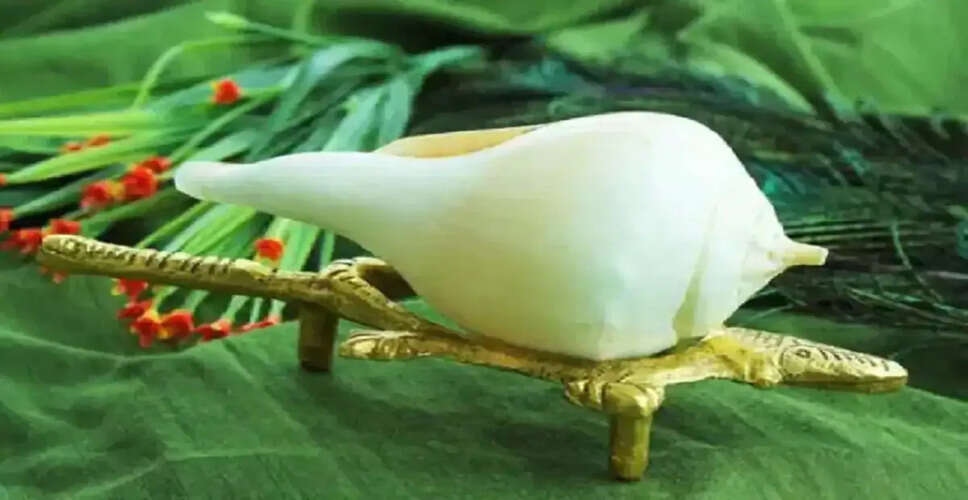

Identifying a Genuine Puja Conch
Understanding Genuine Puja Conch Shells: When selecting a conch shell for religious rituals, many individuals focus on its aesthetic appeal. However, recognizing a genuine conch is crucial as well. These shells are deemed highly sacred in various religious practices, leading to a high demand in the market. Unfortunately, counterfeit conch shells are often sold alongside authentic ones. To distinguish a real conch, consider its weight, texture, color, and shape. If you're looking to purchase one for your home worship, keep these essential tips in mind.
When buying a conch shell, it's vital to evaluate specific characteristics. Nowadays, many fake conch shells are marketed for profit. However, you can easily tell the difference between authentic and imitation shells using straightforward techniques. According to tradition, the conch emerged from the *Samudra Manthan* (Churning of the Ocean) and is one of the fourteen precious gems (*Ratnas*) that surfaced during this event.
Bhanu Mishra, a trader from Varanasi specializing in puja items and conch shells, shared that a true conch is dense and its weight is consistent with its size. Its color remains stable and does not turn yellow with frequent handling; instead, it may show a slight reddish or pinkish tint. In contrast, an overly shiny conch may indicate it is not genuine.
He emphasized that conch shells are naturally formed in the ocean, resulting in unique shapes and textures for each shell. If a store displays multiple conch shells that are identical in shape and thickness, they are likely to be fakes. Additionally, a genuine conch produces a faint sound reminiscent of ocean waves when held close to the ear.
Some individuals recommend the hot water test to differentiate between real and fake conch shells. Immersing a fake conch in hot water may cause it to crack or discolor. Imitation conch shells are often made from materials like marble powder, Plaster of Paris, and plastic, and are produced using molds, leading to uniformity in shape and thickness.
The conch shell is of great importance in Sanatan Dharma. It is believed that Goddess Lakshmi resides in homes where a conch shell is present, and its auspicious sound is regularly heard. Conversely, using a fake conch shell may not yield the spiritual benefits associated with it, according to religious beliefs. Thus, it is advisable to use an authentic conch shell for worship.
Pandit Sanjay Upadhyay noted that a home where the conch shell's sound resonates daily is filled with happiness, peace, and prosperity. In religious lore, Goddess Lakshmi is said to be the daughter of the Ocean King (Samudra-raj), making the conch shell her sibling. Lord Vishnu is also depicted holding a conch shell, which is believed to have a special connection with Goddess Gayatri.
Regularly blowing the conch shell is thought to alleviate stress and promote mental peace. It is also believed to help with mental tension and restlessness, and some consider it beneficial for respiratory conditions. Furthermore, it is said to provide comfort to those experiencing depression. However, it is important to note that blowing the conch shell should not replace medical treatment for health issues, and consulting a healthcare professional is essential when needed.