
Homemade Sabzi Masala Powder: A Flavorful Addition to Your Dishes
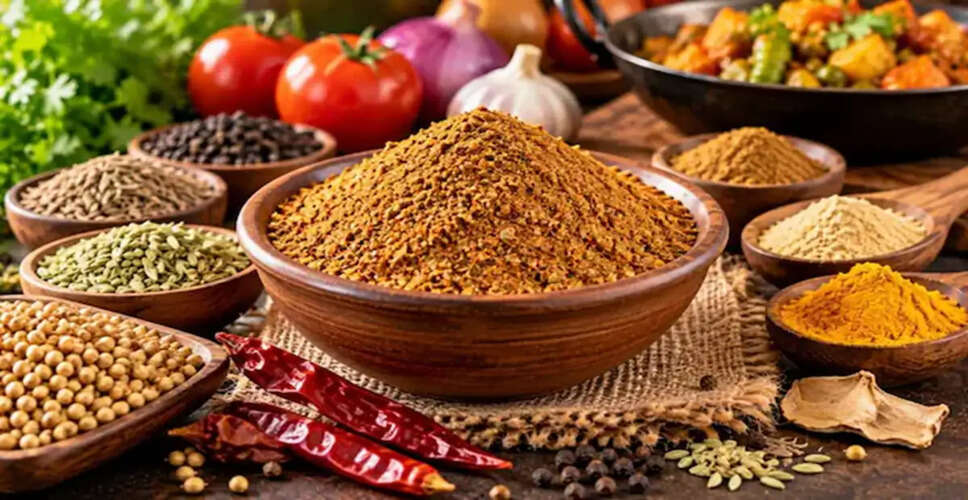

Delicious Sabzi Masala Powder Recipe
Sabzi Masala Powder Recipe: Even with all the right vegetables and ingredients at hand, sometimes a dish can miss that unique flavor. In such instances, a well-crafted spice blend can truly elevate your cooking. Instead of opting for pre-packaged spice mixes, consider making your own flavorful masala powder at home. This simple recipe involves lightly toasting spices such as coriander seeds, cumin seeds, fennel seeds, and others.
Adding dry mango powder (*amchur*) introduces a mild tang, while the fennel seeds and roasted spices contribute a delightful fragrance. This masala is incredibly versatile, perfect for enhancing everyday vegetable dishes like potatoes, cauliflower, okra, peas, and mixed vegetable curries.
Ingredients for Homemade Sabzi Masala Powder
Creating this sabzi masala powder doesn’t require an extensive list of ingredients. You will need 4 tablespoons of coriander seeds, 2 tablespoons of cumin seeds, 1 tablespoon of fennel seeds, 1 teaspoon of black peppercorns, 2 to 3 dried red chilies, and 1 teaspoon of carom seeds (*ajwain*). Additionally, gather 1 teaspoon each of turmeric powder, dry mango powder (*amchur*), garam masala, half a teaspoon of asafoetida (*hing*), and salt to taste. If you prefer a milder spice level, feel free to reduce the amount of dried red chilies.
Simple Steps to Make Sabzi Masala Powder
Step 1: Lightly Toast the Spices
Begin by heating a pan on medium heat. Add the coriander seeds, cumin seeds, fennel seeds, black peppercorns, dried red chilies, and carom seeds. Stir the spices continuously while toasting them lightly; avoid over-roasting. Once a pleasant aroma fills the air, turn off the heat. Be cautious not to burn the spices, as this can lead to a bitter taste. After roasting, transfer the spices to a plate and allow them to cool completely.
Step 2: Grind the Masala Powder
Once the roasted spices have cooled, place them in a mixer grinder and blend them into a powder. You can choose to make it a fine powder or leave it slightly coarse, depending on your preference. Next, transfer the ground spices to a dry bowl. Incorporate the turmeric powder, dry mango powder (amchur), garam masala, asafoetida (hing), and salt, mixing everything thoroughly. Your homemade vegetable masala powder is now ready for use.
**Vegetables That Pair Well with This Masala**
This masala's versatility is one of its best features; it can enhance a wide range of everyday vegetable dishes. It works wonderfully with potatoes, cauliflower, peas, okra (bhindi), eggplant, and capsicum. For mixed vegetable preparations, typically 1 to 2 teaspoons of the masala will suffice for a dish serving three to four people, though you can adjust the amount based on the specific vegetables and your taste preferences. Add the masala only after the other spices have been sautéed properly to ensure its aroma and flavor meld well into the dish.
**Storage Tips for the Masala**
Allow the prepared masala to cool completely before placing it in a container. Store it in a clean, dry, airtight glass jar. Always use a dry spoon to scoop out the masala, as moisture can affect its aroma and quality.
PC Social Media