
Homemade Multigrain Flour: A Healthy Alternative

Creating Multigrain Atta at Home
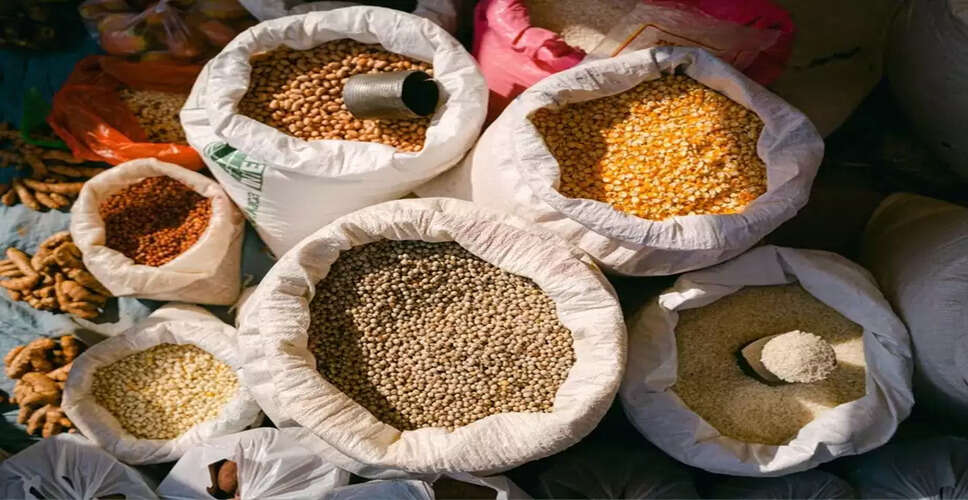
Why Make Multigrain Flour Yourself? In today's market, store-bought flour often raises concerns regarding purity and safety due to potential adulteration. To ensure the health of your family, preparing multigrain flour at home is a wise choice. This not only guarantees a nutritious option but also allows you to control the quantity of grains used in your meals. Multigrain flour typically consists of wheat, barley, millet, ragi, oats, and chickpea flour, providing essential nutrients like fiber, protein, vitamins, and minerals. Relying solely on wheat flour can lead to nutritional gaps. Studies indicate that incorporating multigrain foods can help manage blood sugar levels, enhance digestion, and promote heart health.

Steps to Prepare Multigrain Flour at Home
Ingredients Needed
Wheat flour – 2 bowls
Barley flour – 1/2 bowl
Millet flour – 1/2 bowl
Ragi flour – 1/4 bowl
Gram flour – 1/4 bowl
Oat flour – 1/4 bowl (optional)
Note: Feel free to modify the proportions based on your preferences.
Preparation Method
- Combine all the flours in a large bowl and mix well.
- Sift the mixture regularly and store it in an airtight container.
- Portion the flour into smaller containers based on your monthly usage to maintain freshness.
This homemade multigrain flour can be prepared monthly. For a family of 4-5, about 1 bowl of flour per person daily is adequate, totaling around 30 bowls for the month. This method prevents spoilage and reduces the need to purchase potentially adulterated products.
How to Ensure Flour Purity
Commercial flour may often be mixed with substances like powdered sugar or other grains. By making your own multigrain flour, you can ensure it is 100% pure and nutritious. Additionally, you can tailor the flour blend to meet your family's specific tastes and dietary needs.
Health Benefits of Homemade Multigrain Flour
Promotes a healthy diet: High in fiber and protein
Enhances digestion: Alleviates constipation and other digestive issues
Regulates blood sugar: Offers sustained energy
Free from adulteration: Fresh and trustworthy
Making your own multigrain flour is straightforward and significantly benefits your family's health, allowing you to avoid questionable commercial products.
PC Social Media