
Heart Health Risks During Diwali: Essential Precautions to Take
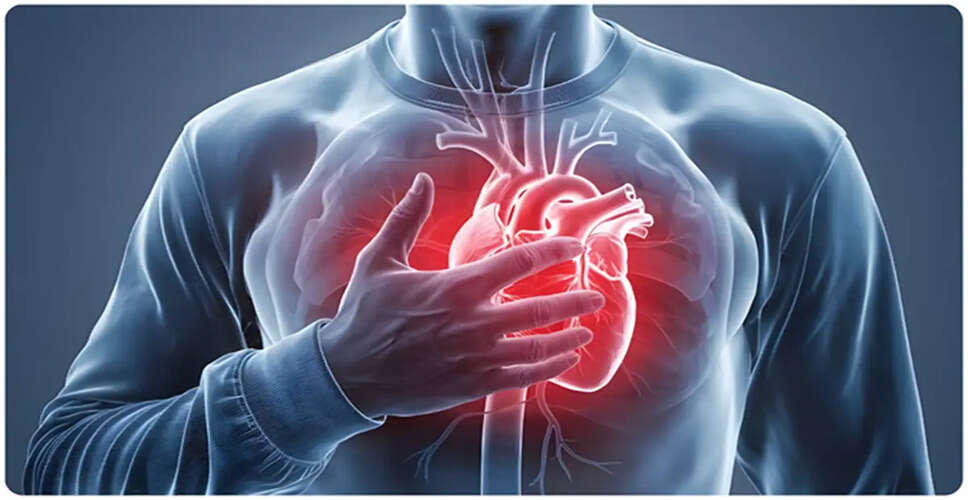

Understanding Heart Attack Risks During Diwali
Heart Attack Risk During Diwali: Diwali is a time of celebration filled with lights, joy, and delicious treats. However, the excitement and indulgence can negatively impact health, particularly for individuals with pre-existing heart conditions. It is vital to be cautious during this festive season.

Many people often misinterpret symptoms such as chest discomfort, breathlessness, or sudden sweating as simple indigestion or fatigue, which can be a dangerous mistake. This article will delve into who is more susceptible to heart attacks during Diwali and the necessary precautions to maintain heart health.
Factors Increasing Heart Attack Risk During Diwali
Diwali disrupts regular routines significantly. Late nights, irregular meal times, reduced physical activity, and the stress of preparations can all adversely affect heart health. Additionally, smoke from firecrackers and increased air pollution can worsen conditions for those with heart issues.
Key contributors to heart health risks include:
- Overeating fried foods: High-fat and calorie-rich foods can elevate cholesterol levels over time, increasing heart disease risk.
- Excessive sugar intake: High sugar consumption can complicate blood sugar management and weight control.
- High salt consumption: Increased salt intake can lead to elevated blood pressure.
- Insufficient sleep: Lack of sleep can negatively impact blood pressure and metabolic health.
- Air pollution: Fine particulate matter in polluted air can harm the heart and blood vessels.
- Mental stress: Ongoing stress can affect heart rate and blood pressure.
Who is at Greater Risk of Heart Attacks During Diwali?
1. Individuals with Existing Heart Conditions
Those who have experienced a heart attack, have heart blockages, or have undergone procedures like angioplasty or bypass surgery should be particularly cautious. It is essential for these individuals to adhere to their prescribed medications and not alter their medication schedule due to the festivities.
2. People with High Blood Pressure
Often referred to as a "silent killer," high blood pressure can go unnoticed. During Diwali, factors like high-sodium foods, stress, and lack of sleep can elevate blood pressure levels, increasing the risk of heart attack and stroke.
What to do?
Regularly monitor your blood pressure.
Limit salt intake.
Take medications as prescribed.
Ensure adequate sleep.
3. Diabetic Patients
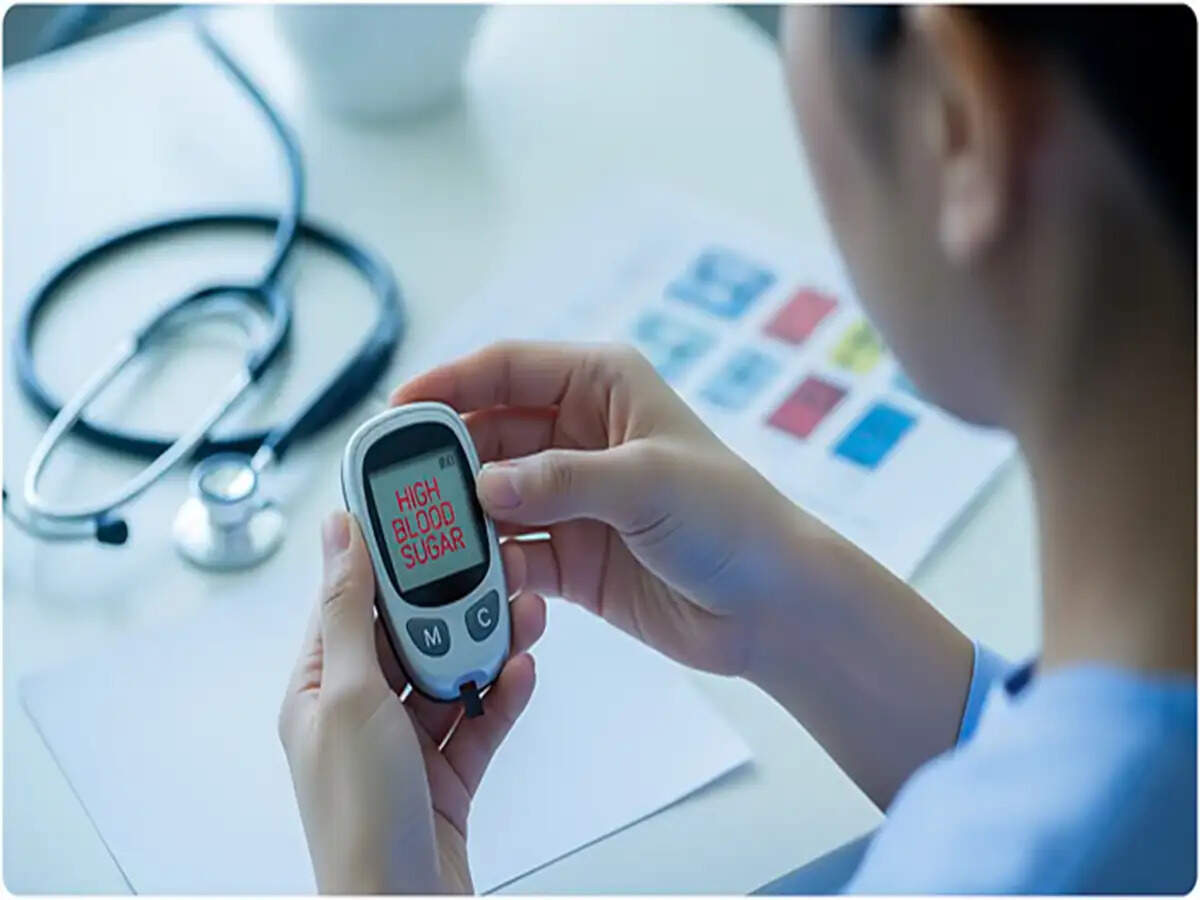
Those with diabetes must be vigilant about their heart health. Uncontrolled blood sugar levels can damage blood vessels and the heart. The festive season often leads to increased consumption of sweets, which can spike blood sugar levels.
What to do?
Regularly check blood sugar levels.
Limit sweet intake.
Follow your doctor's medication advice.
Maintain a balanced diet.
4. Individuals with High Cholesterol
People with elevated cholesterol should be mindful of their diet during Diwali. High levels of LDL cholesterol can lead to plaque buildup in arteries, restricting blood flow and heightening heart attack risk. Avoid excessive fried foods and salty snacks during the celebrations.
5. Those Struggling with Obesity
Obesity increases the likelihood of heart disease and is often linked with diabetes, high blood pressure, and high cholesterol. During Diwali, habits like prolonged sitting while eating and excessive sweet consumption can adversely affect weight and metabolic health.
6. Smokers
Smoking is detrimental to heart health, damaging blood vessels and increasing heart attack risk. During Diwali, exposure to firecracker smoke can worsen the effects of air pollution. It is advisable to avoid smoking and limit time spent in polluted areas.