
Healthy Eating Tips for Hariyali Teej Celebrations
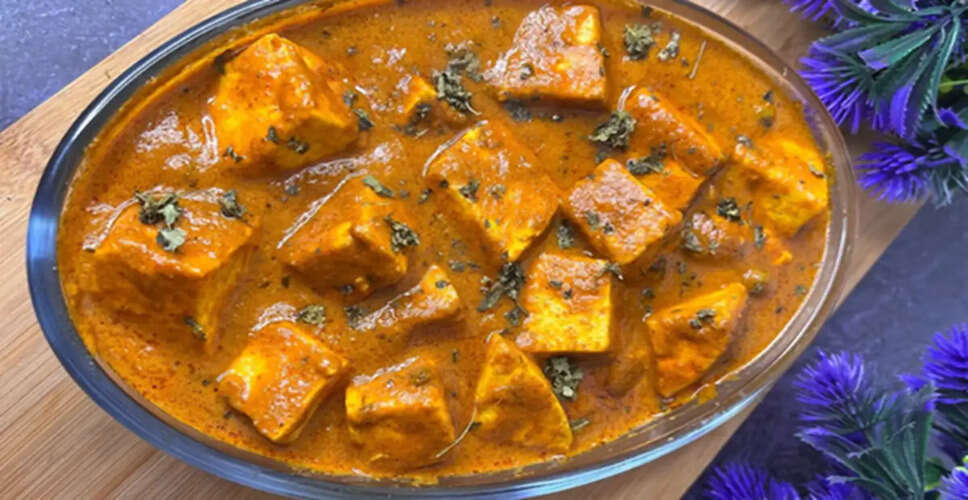

Healthy Food Choices for Hariyali Teej
Hariyali Teej Healthy Food: With the arrival of Hariyali Teej, the excitement for preparing delightful dishes begins alongside the spiritual observances. Women participating in the fast often focus on a *phalahar* (fruit-based diet) and *sattvic* (pure/wholesome) meals, while a variety of traditional foods are made for the rest of the family. However, in the festive atmosphere, we sometimes create items that, if not stored properly or prepared with care, can lose their flavor and quality.
Extra vigilance regarding food safety is crucial, especially during the monsoon season due to increased humidity. Dairy products, heavily fried sweets, or food left out for long periods can spoil rapidly. Additionally, some dishes may feel heavy on the stomach due to excessive oil, sugar, or spices.
When planning your Hariyali Teej menu, it’s important to consider not just flavor but also the season, the freshness of ingredients, and the health of those who will be eating. Here are five food items that require special attention during preparation or serving on Teej, along with healthier alternatives.
**Dairy-based sweets left out for long periods**
Popular sweets like *Kheer*, *Rabri*, *Kalakand*, and *Peda* are often enjoyed during Hariyali Teej.
However, it is not advisable to keep them at room temperature for extended periods during the monsoon.
Dairy products can spoil quickly, and if a sweet or dairy dish is left out for several hours, its taste, aroma, and quality may decline.
**What to do?**
Make sweets only as needed and store perishable items at the right temperature.
For store-bought sweets, always check the packaging and storage guidelines.
**Deep-fried foods**
Many households traditionally prepare *pakoras*, *puris*, *kachoris*, and other deep-fried items during the Teej festival. While these are delicious, consuming foods fried in excessive oil can lead to discomfort and heaviness.
Suddenly eating large amounts of fried food—especially after fasting—can be tough on the digestive system.
What to eat?
Limit fried food intake and choose dishes cooked with less oil whenever possible.
Incorporate fruits, yogurt, or other lighter options into your meals.
Excessively sugary sweets
Festivals are incomplete without sweets, but that doesn’t mean every dish should be overly sweet.
It’s wise to keep sugar levels in check for items like *laddus*, *halwa*, *kheer*, and other desserts.
Those advised by healthcare professionals to limit sugar or carbohydrate intake should be particularly cautious with sweets.
What to do?
Serve sweets in smaller portions and opt for less sugary alternatives whenever possible.
Consider including lighter festive treats made from fruits and nuts in your menu.
Excessively spicy and heavy food
In the festive spirit, we often prepare food that is spicier and heavier than usual.
However, during the monsoon, excessive spices, oil, and heavy gravies can worsen discomfort for those with sensitive digestion.
If there are elderly individuals, children, or those with digestive issues in the household, ensure the menu includes lighter dishes.
A better approach
Use spices sparingly and include lentils, vegetables, fruits, and other nutritious options in your meals.
Food stored for long periods or reheated
During festivals, large quantities of food are often prepared, and leftovers may be consumed the next day; however, not all foods are safe to store for long durations.
Particular care is needed with cooked rice, milk-based dishes, and other perishable items. Proper storage and thorough reheating—when necessary—are essential. If the smell, taste, or texture of the food seems off, it’s best to avoid consuming it.
PC Social Media