
Young Protester Shows Signs of Recovery After ICU Treatment
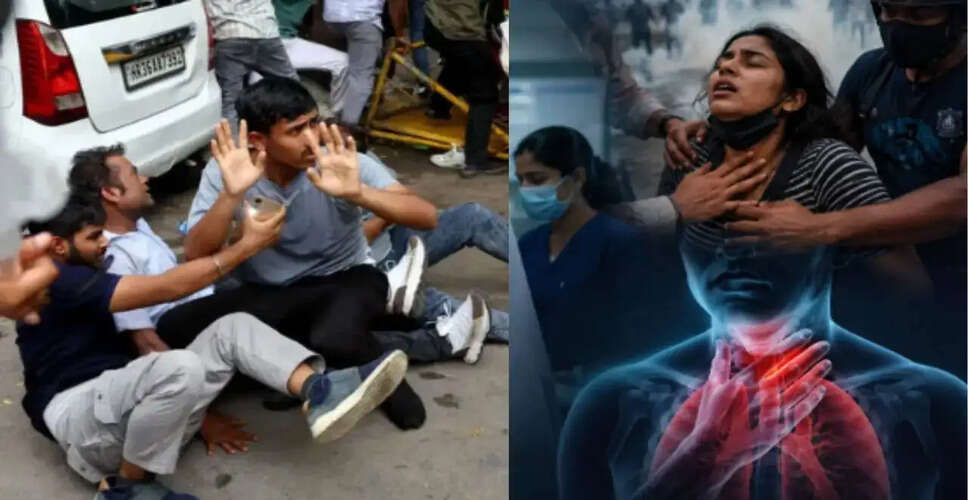

Positive Recovery Signs for Injured Student
A 21-year-old woman, who was injured during the student protests in Delhi on July 20, is reportedly making significant progress after her stay in the intensive care unit (ICU) at Ram Manohar Lohia (RML) Hospital. Medical professionals have confirmed that Sakshi has been removed from ventilator support due to her steady recovery, although they remain cautious as she has yet to articulate how her injuries occurred.
Initial reports indicated that Sakshi was admitted in critical condition, having suffered from asphyxiation, a serious medical emergency resulting from insufficient oxygen supply to the body's tissues. She was unconscious for several hours and required immediate intubation and mechanical ventilation to assist her breathing. A doctor stated, "She was unconscious for several hours and could not breathe on her own, necessitating intubation."
Understanding Asphyxiation
Asphyxiation happens when the body does not receive enough oxygen, which can hinder the normal functioning of vital organs like the brain, heart, and lungs. This condition is life-threatening and demands urgent medical intervention. Common causes include airway blockages, inhalation of smoke or gases, strangulation, chest injuries, drowning, or severe respiratory issues. If not treated promptly, oxygen deprivation can result in irreversible brain damage, organ failure, or death.
Symptoms of Oxygen Deprivation
The intensity of symptoms varies based on the duration of oxygen deprivation. Key warning signs include:
- Difficulty in breathing or gasping for air
- Bluish discoloration of lips or fingertips, known as cyanosis
- Confusion or disorientation
- Loss of consciousness
- Seizures
- Weak or absent pulse in severe cases
Individuals who survive extended periods of oxygen deprivation may face memory issues, neurological problems, or emotional challenges during their recovery.
Sakshi's Recovery Progress
According to reports from RML Hospital, Sakshi has responded positively to emergency care. Follow-up MRI scans of her brain and spine indicated no significant neurological damage, which is a hopeful sign despite the severity of her injuries. Hospital representatives noted that she is no longer reliant on ventilator support and is under the watchful eye of a multidisciplinary medical team. However, she remains unable to recount the events leading to her injuries, and her recovery is being closely monitored.
Following the July 20 incident, RML Hospital treated approximately 140 patients, most of whom sustained injuries like cuts, fractures, lacerations, temporary vision issues, and respiratory irritation due to tear gas exposure. Nearly all other patients have been discharged after receiving necessary treatment.
In a separate case, another patient at Lady Hardinge Medical College underwent surgery for upper body and eye injuries. Investigations into the incident are ongoing, and Delhi Police have denied allegations regarding the use of pellet guns during the protests.
The Importance of Immediate Medical Attention
Emergency medical professionals emphasize that anyone facing breathing difficulties, prolonged unconsciousness, or suspected oxygen deprivation should seek immediate medical evaluation. Early interventions, including airway management, oxygen therapy, and neurological assessments, can greatly enhance survival rates and minimize the risk of long-term complications. While Sakshi's improving condition is encouraging, doctors caution that recovery from severe trauma and oxygen deprivation can be a lengthy process, necessitating ongoing monitoring, rehabilitation, and follow-up assessments to ensure optimal outcomes.