
Yerin Ha Reveals Skin Condition from Steamy Scene in Bridgerton
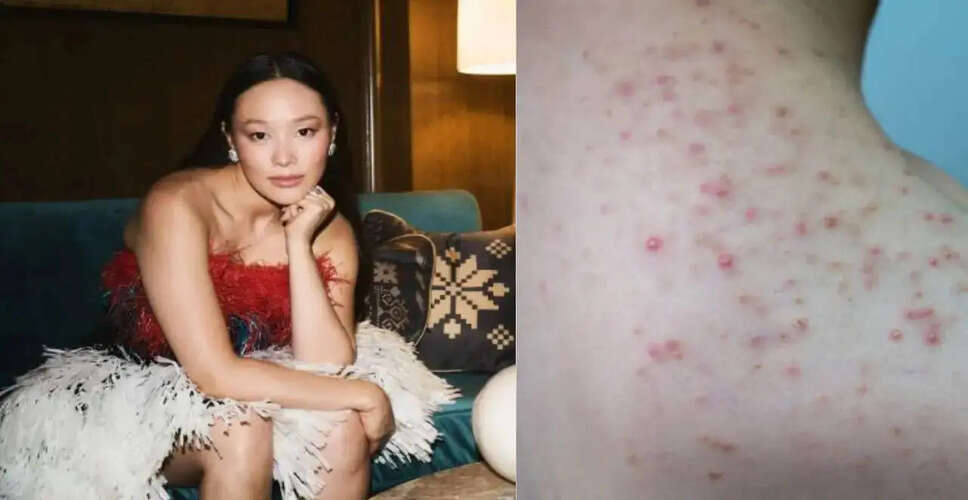
Yerin Ha's Confession About Filming
Yerin Ha, known for her role in Bridgerton, recently shared an unexpected experience related to her character Sophie’s intimate bathtub scene with Benedict in the fourth season. The 28-year-old actress disclosed that she developed a troubling skin issue while shooting the scene. During her guest appearance on Capital Breakfast, Yerin revealed that she suffered from folliculitis, which resulted in hives covering her body. She explained, “In one scene, we were in a bathtub, and I applied baby powder all over myself as I was advised it would help dry my skin for the intimacy wear with tape. However, the following day, I broke out in hives and developed folliculitis, requiring steroid cream!”
Understanding Folliculitis
What is Folliculitis?
Folliculitis is a prevalent skin condition that arises from an infected or inflamed hair follicle. It often resembles acne and can be quite itchy and uncomfortable. There are various types of folliculitis, each differing based on its cause, the infectious agent involved, and its effects on the skin. This condition can occur due to everyday activities such as shaving, using hot tubs, or excessive sweating from physical activities.
Folliculitis can manifest on any part of the body that has hair, with common areas including:
- Face
- Arms
- Upper back
- Lower legs
As noted by the Cleveland Clinic, when hair follicles accumulate bacteria and other external materials, it can lead to inflammation or infection. Inflammation causes swelling, resulting in bumps on the skin that may appear red and irritated.
Recognizing Symptoms of Folliculitis
Signs and Symptoms
The primary symptom of folliculitis is red bumps that resemble pimples on the skin. These bumps may also appear as white-filled or pus-filled pustules. Although the urge to scratch may be strong, medical professionals advise against it, as scratching can exacerbate the infection of the hair follicle.
Managing and Treating Folliculitis
How to Manage Folliculitis
Experts indicate that the treatment for folliculitis varies based on its type and severity. While some cases may require intensive treatment, others can resolve with minimal intervention. Mild cases can often be managed at home through various methods, including:
- Using antibacterial cleansers to eliminate bacteria from the skin
- Applying warm compresses to soothe irritated areas
- Utilizing anti-itch creams
In less severe instances, symptoms typically diminish within a few days without treatment. However, if symptoms persist, it is advisable to consult a healthcare professional. For more severe cases, oral antibiotics may be necessary, and deeper infections such as boils may require drainage by a medical provider.