
Vinod Kambli's Health Concerns: Neurological Risks and Recovery Updates
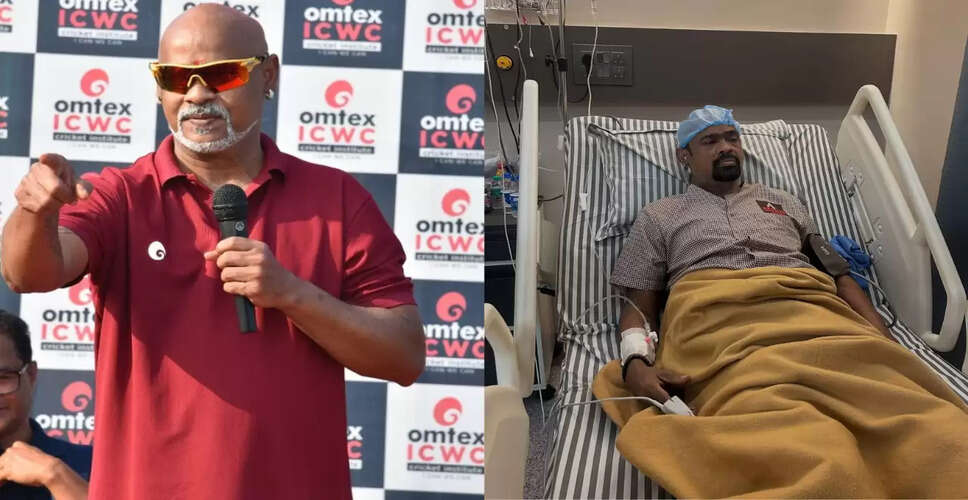

Vinod Kambli's Health Status
Health Update on Vinod Kambli: Recent updates regarding former Indian cricketer Vinod Kambli have highlighted significant neurological health issues, particularly a brain clot that raises stroke risks. Close associates have shared that Kambli is currently stable but remains in a precarious state, showing some improvement yet still facing potential dangers. The blood clot in his brain, which doctors have deemed inoperable due to delayed medical intervention, is the primary concern, significantly increasing his likelihood of experiencing a stroke, a condition characterized by interrupted blood flow to the brain.
Cognitive Challenges and Memory Issues
Memory Loss and Cognitive Impact
One of the most alarming aspects of Kambli's health is his memory loss. Reports indicate that he can only recall certain memories in fragments, with some coming to mind while others remain elusive. Fortunately, there has been no notable decline in his condition recently, which doctors view as a cautiously optimistic sign. Such memory issues are often associated with reduced blood flow or damage to specific brain regions. In Kambli's situation, the clot seems to be impacting his cognitive functions rather than just his physical abilities. Although he can walk with assistance, his cognitive health is the primary concern.
Risks of Stroke and Lifestyle Factors
Medical professionals have cautioned that Kambli's condition could deteriorate into a stroke if not managed properly. A stroke can strike unexpectedly and may result in long-lasting disabilities, including paralysis, speech difficulties, or severe cognitive decline. The risk is compounded by various factors. Although Kambli has reportedly ceased alcohol consumption, his ongoing battle with smoking, at times forgetting the need to avoid it, continues to pose a significant risk. Smoking can harm blood vessels and elevate clotting risks, making strokes more likely for individuals already in a vulnerable state.
Understanding Brain Clots
What A Brain Clot Does
A brain clot, or cerebral thrombosis, obstructs or limits blood flow to certain brain areas, depriving brain cells of oxygen and potentially causing damage that affects memory, balance, speech, or movement. Early detection and treatment are crucial in preventing complications, but delayed intervention, as seen in Kambli's case, can restrict treatment options. His situation underscores the importance of recognizing symptoms that should never be ignored:
- Memory lapses or confusion
- Difficulty maintaining balance
- Slurred speech or trouble communicating
- Sudden weakness, particularly on one side of the body
- Persistent or severe headaches
- Vision disturbances
These symptoms may manifest gradually or suddenly, but all necessitate immediate medical attention. While Kambli's condition has not worsened recently, it remains serious. His case illustrates how neurological symptoms, especially memory issues, can indicate more profound underlying problems. Timely diagnosis, ongoing medical care, and strict lifestyle modifications are essential for managing such conditions. What may start as mild cognitive difficulties can escalate into life-threatening complications like strokes if neglected. Regular monitoring, adherence to prescribed medications, and robust caregiver support can significantly enhance outcomes. Awareness, prompt action, and lifestyle discipline are vital in minimizing long-term neurological damage and preventing further complications in high-risk cases.