
Victor Wembanyama Enters Concussion Protocol After Injury: Understanding the Risks

Victor Wembanyama's Injury and Concussion Protocol
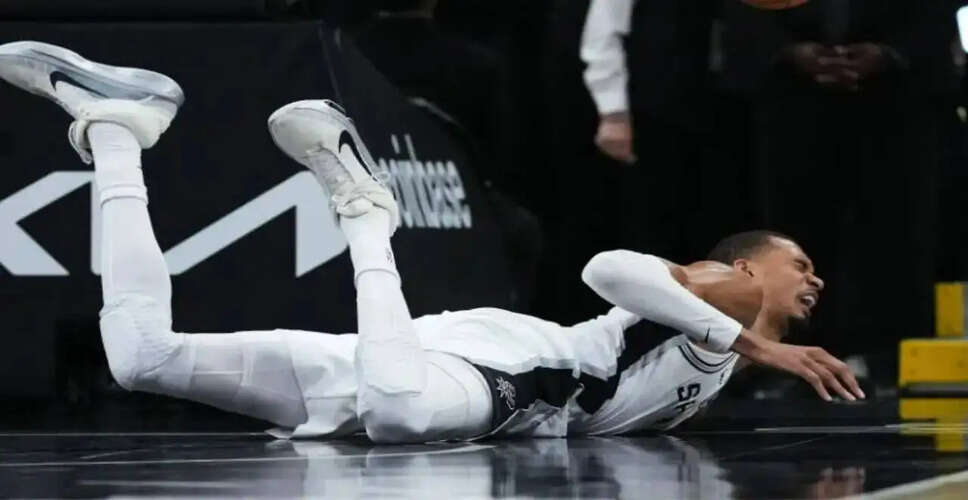
Victor Wembanyama, the star player for the San Antonio Spurs, has been placed under the NBA's concussion protocol following a concerning fall during a playoff match against Portland. The towering 7-foot-4 French player was fouled during a play, leading to a face-first impact with the court that resulted in a concussion diagnosis after he briefly remained on the ground before walking off the court. This incident has reignited discussions about the dangers of head injuries in sports and the critical need for proper recovery protocols.
According to league regulations, a player diagnosed with a concussion must wait at least 48 hours before returning to play. Wembanyama will need to go through a structured return-to-participation process and receive clearance from a team physician. After 24 hours, he may engage in limited activities.
Understanding Concussions
A concussion is classified as a mild traumatic brain injury that occurs due to a blow or jolt to the head, disrupting normal brain function even when scans show no visible damage. Symptoms commonly associated with concussions include:
- Headaches or a feeling of pressure in the head
- Dizziness or issues with balance
- Confusion or memory problems
- Nausea or vomiting
- Increased sensitivity to light and sound
Athletes may sometimes minimize their symptoms, but neglecting them can lead to severe complications.
The Seriousness of Concussions
Despite being labeled as “mild,” concussions can have profound short- and long-term consequences if not properly managed. These include a heightened risk of re-injury, slower reaction times, impaired coordination, long-term cognitive difficulties, and in rare cases, second impact syndrome, which can be life-threatening. This is why organizations like the NBA enforce stringent concussion protocols.
NBA's Concussion Protocol Explained
After his injury, Wembanyama entered a comprehensive recovery program that emphasizes player safety, requiring a minimum of 48 hours of rest and no physical activity, followed by a gradual return-to-play process, neurological evaluations, and final approval from team doctors and league officials. An athlete can only return to the court once they are entirely symptom-free, leaving Wembanyama's participation in upcoming games uncertain.
Effects on Team Performance
Wembanyama has been a key player this season, showcasing impressive statistics and recently being honored as the Defensive Player of the Year. His absence could significantly affect the Spurs' playoff performance. However, health experts emphasize that recovery should take precedence over competitive play.
Recovery Process for Concussions
Effective recovery from a head injury is vital to avoid complications:
Importance of Rest
Both physical and mental rest are essential for the brain's healing process.
Avoiding Premature Return
Returning to play too soon can heighten the risk of severe injuries.
Close Monitoring of Symptoms
Any ongoing headaches, confusion, or dizziness should be assessed immediately.
Adhering to Medical Advice
Following structured protocols is crucial for a safe and gradual recovery.
Growing Awareness of Sports Injuries
High-profile incidents like Wembanyama's have increased attention on the prevention of sports injuries and the importance of brain health. Stricter regulations and heightened awareness across various leagues are contributing to a reduction in long-term risks for athletes. Wembanyama's concussion serves as a stark reminder that even top athletes are susceptible to serious head injuries. As fans eagerly await his return, the focus remains on prioritizing health and recovery, underscoring the non-negotiable need to protect the brain in both sports and life.