
Unlocking the Health Benefits of Beetroot Juice: Timing and Tips
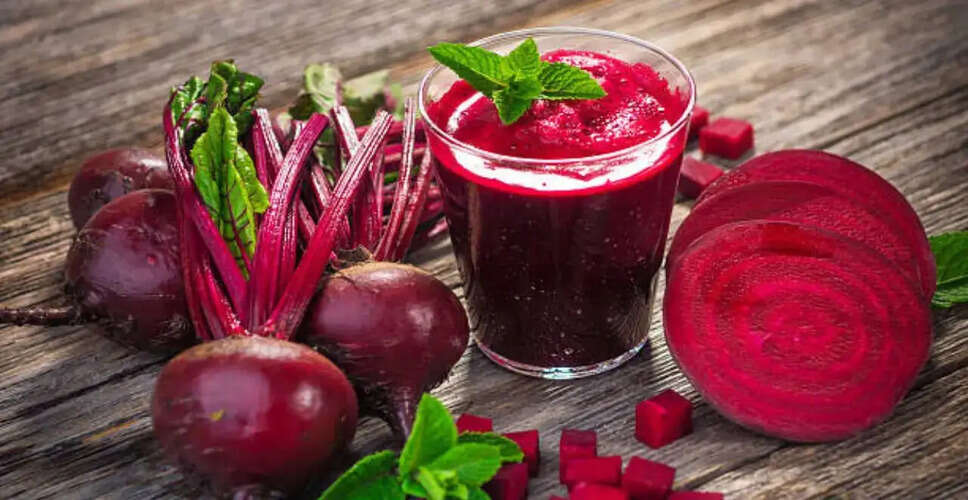
The Health Advantages of Beetroot Juice
Beetroot juice is renowned for its numerous health advantages, largely attributed to its high nitrate levels. These nitrates convert into nitric oxide, which helps relax and widen blood vessels, leading to reduced blood pressure and enhanced circulation. Additionally, it is popular among athletes for improving performance, minimizing inflammation, and aiding liver detoxification. However, the timing of consumption can significantly influence its benefits.
Optimal Times to Consume Beetroot Juice
When is the Best Time to Drink Beetroot Juice?
Nutrition experts suggest that while beetroot juice can be consumed at any time to promote blood flow, the most effective times for maximizing stamina are:
Two to Three Hours Before Exercise
It typically takes about two hours for the nitrates from beet juice to peak in the bloodstream. Nutritionists indicate that these levels can remain elevated for five to six hours post-consumption. Therefore, drinking beetroot juice two to three hours prior to a workout can yield the most significant benefits, with effects lasting for several hours.
Post-Workout
Rich in antioxidants like betalain, beetroot juice aids in muscle recovery by alleviating inflammation caused by exercise. Research indicates that it can also help reduce muscle soreness.
Enhancing Blood Flow and Stamina with Beet Juice
How Does Beet Juice Boost Blood Flow and Endurance?
Beets are abundant in nitrates, which convert to nitric oxide (NO) in the body, offering various health and performance benefits. Nitric oxide plays a vital role in regulating numerous physiological functions, including the dilation of blood vessels, which enhances blood flow. Improved circulation facilitates better delivery of nutrients and oxygen to muscles, allowing for more efficient oxygen usage during exercise. This efficiency enables muscle cells to perform optimally, helping you maintain activity for extended periods.
Recommended Daily Intake of Beetroot Juice
How Much Beetroot Juice Should You Consume Daily?
Research suggests that consuming approximately 300 to 600 milligrams of nitrate two to three hours before physical activity can enhance performance. Typically, 2.5 to 17 ounces of beetroot juice can provide this amount of nitrate. However, the nitrate concentration can vary significantly based on factors like storage conditions, cultivation methods, and preparation techniques.
Selecting the Best Beets for Juicing
How to Choose the Best Beets for Juice?
Experts highlight several factors that influence the nitrate content of beet juice and its health benefits. To maximize your intake:
Opt for Fresh Beets
Freshly juiced beets generally contain higher nitrate levels compared to processed alternatives.
Proper Storage
To maintain nitrate levels, refrigerate beet juice and consume it shortly after juicing.
Avoid Antibacterial Mouthwash
Using mouthwash can reduce the bacteria in your mouth that convert nitrates into nitric oxide, thus diminishing the juice's effectiveness.
Check Nutrition Labels
While beet juice naturally contains sugars, some packaged varieties may have added sugars. Always choose options without added sugars for optimal health benefits.