
Unlocking Longevity: Practical Habits for a Healthier Life

The Pursuit of Longevity
In today's wellness landscape, the term 'longevity' is gaining significant traction. From cold exposure and fasting to various supplements and biohacking tools, many are on a quest to discover the key to a longer life. However, Dr. Navin Gnanasekaran, a longevity expert and author of The 100 Year Blueprint, suggests that the true science of longevity is often obscured by fleeting trends. His book consolidates extensive research into actionable habits that can enhance both lifespan and healthspan. In a recent discussion, he elaborated on why aging differs for Indians, the superiority of exercise over biohacking, and the enduring importance of foundational health practices.
Understanding Longevity
Dr. Gnanasekaran reveals that the concept for The 100 Year Blueprint has been evolving for years. Through his lectures and writings, he frequently encountered a perplexing question: Why do people live longer yet suffer from more illnesses? He notes, "Modern medicine has made significant strides against diseases that once claimed lives, but we now face health issues largely of our own making." Conditions like heart disease, diabetes, and hypertension are responsible for millions of deaths annually. His aim was to create a resource that empowers individuals to prevent these ailments through everyday lifestyle choices.
Cultural Differences in Longevity
One of the key points in his book is that Indians cannot simply adopt longevity strategies from Western cultures. Dr. Gnanasekaran emphasizes that physiological differences exist, highlighting the 'thin fat phenotype' prevalent among many Indians, who may have low muscle mass but accumulate fat around the abdomen. He explains, "You can look slim yet have a protruding belly. This abdominal fat is metabolically active and heightens the risk of diabetes and heart disease." He attributes this to a history of food scarcity followed by sudden access to calorie-dense, processed foods, leading to earlier onset of metabolic diseases compared to Western populations.
The Importance of Movement
When asked about the most crucial habit for longevity, Dr. Gnanasekaran simply states, "Move." He asserts that exercise is the most effective intervention supported by scientific research. Engaging in physical activity, building muscle, and maintaining metabolic health have a far greater impact than any costly longevity treatments currently promoted. This perspective also influences his views on the highly publicized anti-aging regimen of entrepreneur Bryan Johnson, which he finds intriguing but misdirected.
Focus on Fundamentals
Dr. Gnanasekaran believes that the goal of longevity should not be immortality but rather living a healthier, more fulfilling life. He critiques Johnson's regimen, which includes numerous biomarkers and experimental therapies, arguing that many lack substantial evidence in humans. He encourages a focus on foundational habits such as adequate sleep, balanced nutrition, resistance training, and regular movement, which have consistently proven to enhance both lifespan and healthspan.
Nutrition and Protein Intake
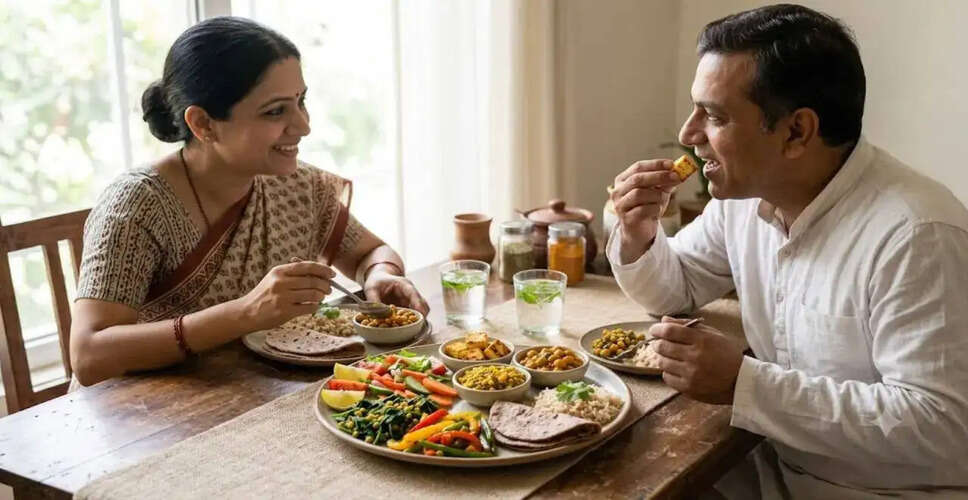
Regarding nutrition, Dr. Gnanasekaran asserts that the issue lies not in Indian cuisine itself but in its composition. He recommends that half of one's plate should consist of vegetables, with the other half split between protein and carbohydrates. He points out that many Indian meals are often dominated by rice or bread, with insufficient emphasis on vegetables and protein. He highlights the growing concern over protein deficiency in Indian diets, particularly among vegetarians, and advises prioritizing whole food sources like eggs, paneer, pulses, and lean meats before considering supplements.
The Role of Supplements
Dr. Gnanasekaran categorizes supplements into three groups based on scientific backing. He notes that vitamin D and B12 supplementation is well-supported when deficiencies are confirmed, while protein and creatine have established benefits under certain conditions. Conversely, he warns against detox teas and miracle wellness products, which often lack evidence and can potentially harm health.
Sleep Hygiene and Environmental Factors
He emphasizes the importance of sleep hygiene, advising against quick fixes like melatonin gummies, which may disrupt natural sleep patterns. Instead, he suggests practical changes such as avoiding food three hours before bedtime and creating a calming sleep environment. Additionally, he addresses the impact of air quality on health, recommending measures like using masks and air purifiers to mitigate exposure to pollution.
Building Lasting Habits
Ultimately, The 100 Year Blueprint is not about quick solutions. It concludes with a practical 30-day program designed to gradually instill healthier habits rather than expecting immediate transformation. Dr. Gnanasekaran's message is clear: the path to longevity lies in consistently practicing fundamental health habits—sleep well, eat better, build muscle, and stay active. True longevity, he believes, is rooted in mastering the basics rather than chasing the latest trends.