
Union Minister's Onion Advice Sparks Debate Amidst Rising Heatwaves in India

Onion in Your Pocket: A Viral Suggestion
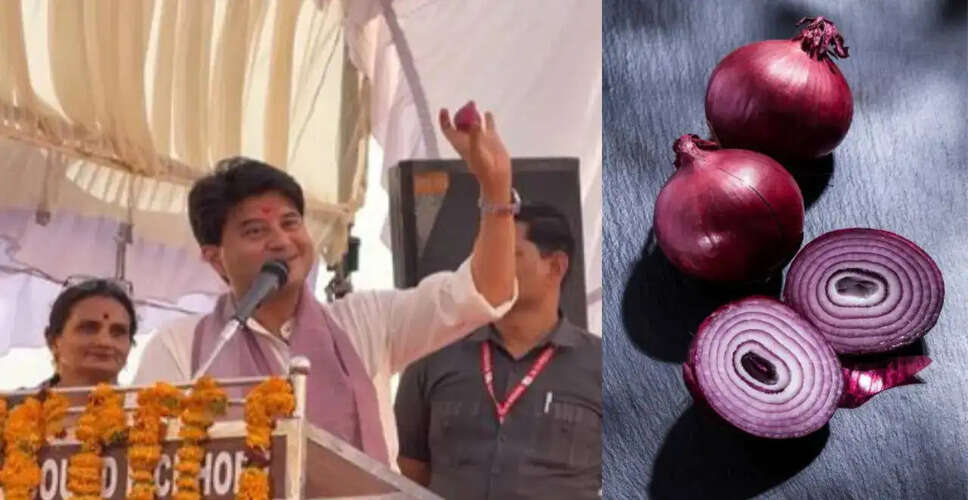
As India faces soaring summer temperatures, a statement from Union Minister Jyotiraditya Scindia has gained significant attention. He suggested that carrying an onion in one’s pocket could provide protection against extreme heat. This comment, which draws from traditional practices and Ayurvedic beliefs, has ignited both curiosity and skepticism regarding its effectiveness during heatwaves. Scindia remarked at a public event in Shivpuri, “I avoid air conditioning in my vehicle and do not sit in air-conditioned spaces. Even in the sweltering 51-degree heat of May and June, I proudly say, 'This is Chambal skin.' Keep an onion in your pocket, and you’ll be fine.” He further noted that many people today carry various items, but the onion remains a time-honored remedy.
Tradition Meets Modern Challenges
The Claim: Tradition Meets Modern Heatwaves
Scindia highlighted the importance of natural resilience in enduring temperatures that can reach 51°C, advocating for the avoidance of air conditioning and the use of traditional methods like keeping an onion nearby. This belief is not entirely new; in various regions of India, onions have been thought to absorb heat or shield the body from sunstroke. However, as climate change intensifies heatwaves, relying solely on traditional wisdom without scientific validation can be perilous.
The Science Behind Onions and Heatstroke
Do Onions Really Prevent Heatstroke?
There is no scientific backing to support the idea that carrying an onion can prevent heatstroke or mitigate health risks associated with heatwaves. While onions offer nutritional benefits when consumed, such as antioxidants and hydration support, these advantages are realized only through ingestion, not by carrying them. Onions contain quercetin, an antioxidant that can help alleviate heat-related illnesses and promote perspiration for cooling. Medical professionals warn that such myths may create a false sense of security, potentially delaying necessary actions like hydration and cooling. Dr. Reshma Aleem from the Department of Clinical Nutrition at Rela Hospital explained that onions are rich in prebiotics, which enhance gut health and digestion. When combined with curd, they can provide a cooling effect. Additionally, onions possess anti-inflammatory properties that benefit heart and bone health, regulate blood sugar, and have antibacterial effects.
The Growing Threat of Heatwaves
Why Heatwaves Are More Dangerous Today
India is experiencing an increase in the frequency and intensity of heatwaves, heightening the risk of heat exhaustion and heatstroke. Extended exposure to high temperatures can overwhelm the body’s cooling mechanisms, leading to symptoms such as dizziness, fatigue, excessive sweating or dry skin, rapid heartbeat, and confusion. If not addressed promptly, heatstroke can become life-threatening within minutes.
Expert Recommendations for Heatwave Safety
What Actually Works: Expert-Backed Heatwave Protection
Instead of relying on unverified remedies, healthcare professionals recommend evidence-based strategies for heatwave safety. Dr. Anirban Chattopadhyay, a Senior Consultant in Critical Care Medicine, advises avoiding direct sunlight, particularly during peak hours from 12 PM to 3 PM. Staying hydrated by drinking plenty of water and electrolyte-rich fluids is crucial. When outdoors, using umbrellas, sunglasses, and wearing breathable fabrics like cotton can also help.
Incorporating Onions into Your Summer Diet
How Can You Add Onions to Your Daily Summer Diet?
Onions are a staple in many Indian diets and can contribute to hydration and cooling when consumed raw in salads or chutneys. In Ayurveda, onions are sometimes categorized as cooling foods, but this applies to consumption rather than carrying them. Raw onions can be enjoyed daily in various dishes, including salads with salt or lemon, raitas, sandwiches, rotis, paranthas, and pickles. The viral suggestion of carrying an onion in one’s pocket underscores how traditional wisdom continues to shape modern health discussions. However, in the face of extreme heat, prioritizing scientifically supported practices is essential. Heatwaves pose serious public health risks, making it vital to stay informed, hydrated, and cautious rather than relying on unproven remedies.