
Understanding Zoonotic Diseases: A Call to Action on World Zoonoses Day

World Zoonoses Day: A Global Health Concern
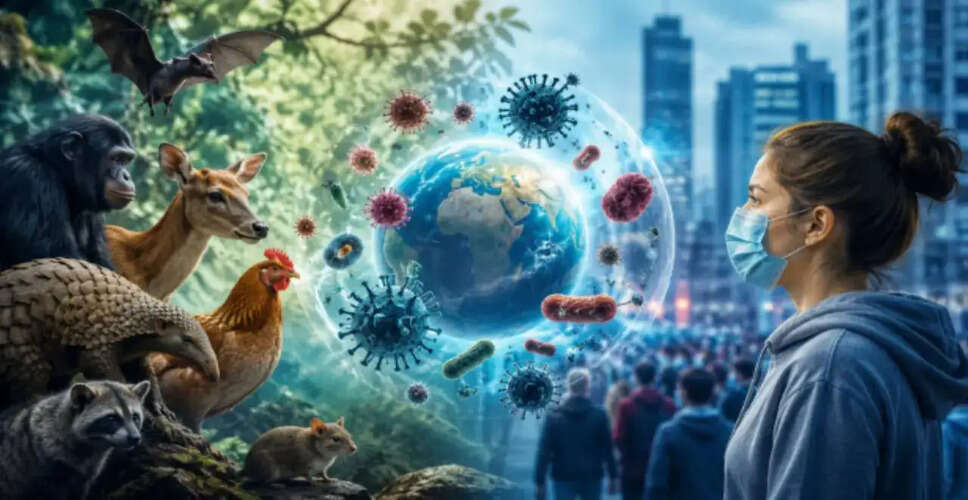
On World Zoonoses Day, health professionals are emphasizing the importance of recognizing zoonotic diseases as a significant threat to global health. The World Health Organization and various health organizations report that approximately 75% of newly emerging infectious diseases in humans stem from animals, positioning zoonoses as a primary contributor to epidemics and pandemics. Historical examples, including COVID-19, Nipah virus, avian influenza, Ebola, SARS, and mpox, illustrate how diseases originating in animals can swiftly transition to humans, leading to widespread illness, economic challenges, and fatalities. Experts assert that while predicting the next pandemic is challenging, many outbreaks can be averted through enhanced surveillance, early detection, and improved collaboration among human, animal, and environmental health sectors. Dr. Aravinda S, Lead Consultant in Internal Medicine at Aster RV Hospital, highlights the importance of early detection, as symptoms often mimic common viral infections.
Defining Zoonotic Diseases
What Are Zoonotic Diseases?
Zoonotic diseases are infections caused by various pathogens, including viruses, bacteria, parasites, or fungi, that can be transmitted from animals to humans. These infections can spread through multiple channels, such as:
- Direct contact with infected animals
- Bites from mosquitoes, ticks, and other insects
- Contaminated food or water sources
- Exposure to animal saliva, urine, blood, or feces
- Handling infected livestock or wildlife
Rising Concerns Among Experts
Why Are Experts Increasingly Concerned?
The increasing prevalence of zoonotic diseases is closely tied to shifts in human-environment interactions. Dr. Aishwarya R, Consultant in Infectious Diseases at Aster Whitefield Hospital, notes that factors such as rapid urbanization, deforestation, climate change, wildlife trade, intensive livestock farming, and the encroachment of human settlements into wildlife habitats are elevating the risk of pathogens transferring from animals to humans. She explains that these conditions facilitate the transmission of viruses and bacteria, which can adapt for more effective human-to-human spread, exacerbating the issue. The One Health approach is advocated by experts, emphasizing the interconnectedness of human, animal, and environmental health. Dr. Aishwarya stresses that collaboration among healthcare professionals, veterinarians, environmental scientists, policymakers, and the public is crucial to prevent future pandemics. Protecting ecosystems and enhancing public health systems must be viewed as complementary goals.
Protecting Yourself from Zoonotic Infections
How Can You Protect Yourself?
Dr. Aravinda suggests several straightforward preventive measures to lower the risk of zoonotic infections, including:
- Thoroughly washing hands after handling animals.
- Avoiding contact with sick or deceased animals.
- Cooking meat, poultry, eggs, and seafood thoroughly.
- Consuming only pasteurized milk and dairy products.
- Washing fruits and vegetables before consumption.
- Using mosquito repellents and wearing protective clothing in areas prone to mosquitoes or ticks.
- Keeping pets vaccinated and ensuring regular veterinary check-ups.
- Adhering to safe farming and food handling practices.
- Seeking medical attention promptly if experiencing unexplained fever after animal exposure.
Dr. Aravinda emphasizes that enhancing surveillance, vaccination programs, and public awareness are vital in mitigating the impact of zoonotic diseases. Early diagnosis and coordinated efforts between healthcare and veterinary professionals are essential for effective responses.
The Path to Preventing Future Pandemics
Preventing the Next Pandemic Starts Now
As we commemorate World Zoonoses Day, the imperative is clear: investing in animal health, ecosystem protection, and robust public health infrastructure is crucial for averting future pandemics. The next global outbreak may originate from a virus quietly circulating in animals, but its potential to escalate into a pandemic hinges on our ability to swiftly identify threats, respond scientifically, and collaborate across sectors. Awareness, preparedness, and proactive measures are our strongest defenses against the infectious diseases of the future.