
Understanding Vitamin D: The Importance of Proper Supplementation
The Popularity of Vitamin D Supplements
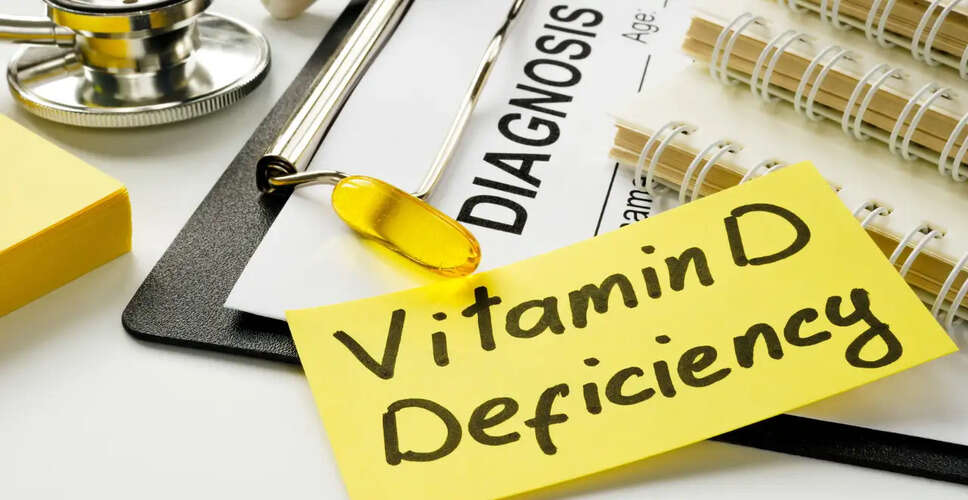
Vitamin D has gained immense popularity in the wellness community, known for its role in enhancing bone health, boosting immunity, elevating mood, and minimizing inflammation. This trend is largely due to alarming statistics indicating a significant decline in Vitamin D levels among the Indian population. Consequently, healthcare professionals frequently recommend Vitamin D supplements, and many influencers endorse them. This widespread deficiency is particularly prevalent among individuals who spend considerable time indoors. However, it is crucial to note that the supplement industry often overlooks a vital fact: excessive Vitamin D intake can have adverse effects.
The Unique Nature of Vitamin D
Why Vitamin D Is Different
Unlike vitamin C, which is easily excreted by the body when in excess, Vitamin D is fat-soluble. This characteristic means it can accumulate in body tissues, potentially reaching harmful levels over time. While dietary sources of Vitamin D typically provide small amounts, making toxicity from food unlikely, the body’s production of Vitamin D from sunlight is also safe. The real concern arises from supplements, where individuals often consume far more than necessary.
Real-Life Cases and Risks
The Real-World Numbers
The recommended daily intake for adults generally ranges from 600 to 800 IU, with a maximum of 4,000 IU advised for healthy individuals. However, many over-the-counter supplements contain doses of 5,000 or even 10,000 IU, leading some to take multiple doses without caution. Recently, a case was reported of a middle-aged man who was hospitalized after consuming 150,000 IU daily, resulting in his Vitamin D levels being seven times above the safe threshold and causing kidney failure. His symptoms had developed over three months before the connection was made.
Excess Vitamin D can lead to dangerously high calcium levels in the blood, known as hypercalcemia, which can severely harm the kidneys, soft tissues, and bones. Vitamin D's primary function is to facilitate calcium absorption, but too much can overwhelm the bloodstream.
Recognizing the Warning Signs
Warning Signs You Shouldn't Ignore
The symptoms of Vitamin D excess can develop slowly, often mistaken for stress or dietary issues. Early indicators include nausea and vomiting, as high Vitamin D levels increase calcium absorption, leading to stomach discomfort and loss of appetite. Increased thirst and frequent urination are also warning signs, as the body tries to eliminate excess calcium through the kidneys. Other symptoms may include unusual fatigue, muscle weakness, and unexplained weight loss.
More severe symptoms can manifest as confusion, depression, and in extreme cases, psychosis or coma. If kidney damage occurs, it may become irreversible. This situation highlights the need for caution as the culture of supplement use often outpaces medical advice, with many individuals taking Vitamin D without proper oversight. The solution is simple: get tested before starting any supplementation. A blood test can accurately determine your Vitamin D levels. If you are already taking supplements, review all products carefully, as many multivitamins contain Vitamin D, which can lead to unintentional overdosing. Vitamin D is essential, but it’s crucial to maintain the right balance rather than opting for the largest available dosage.