
Understanding Viruses That May Elevate Cancer Risk
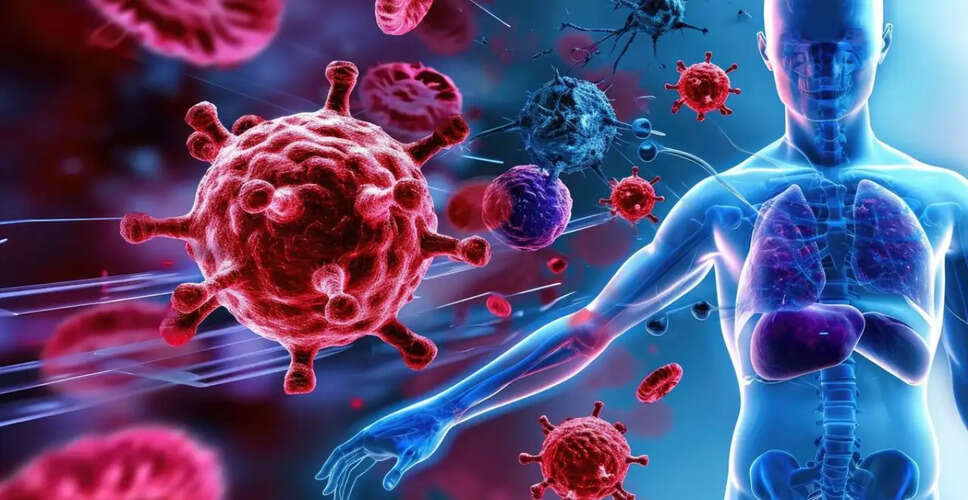

Introduction to Cancer-Causing Viruses
When discussing cancer risk, most people think of factors like genetics, smoking, diet, or environmental pollutants. However, infections also play a significant role. Oncogenic viruses, or cancer-causing viruses, can increase cancer risk in various ways, including causing chronic inflammation, weakening the immune system, or directly modifying cell behavior related to growth and division. It's important to note that not everyone infected with these viruses will develop cancer. In fact, many infections resolve on their own or are kept under control. The risk tends to increase when an infection is persistent, immunity is compromised, or there is inadequate screening and treatment. Understanding these viruses is crucial, as some cancers linked to them can be prevented through vaccination, safer practices, screening, or timely treatment.
1. Human Papillomavirus (HPV)
Human Papillomavirus (HPV)
HPV is a prevalent virus associated with various cancers. Certain high-risk strains are responsible for nearly all cervical cancer cases globally and are also linked to cancers of the anus, throat, penis, vagina, and vulva. While most HPV infections clear up naturally, persistent infections with high-risk types can lead to abnormal cell changes over time. Therefore, vaccination against HPV and regular cervical screenings are vital. The key takeaway is that HPV-related cancers often take years to develop, making prevention and early detection highly beneficial.
2. Hepatitis B Virus (HBV)
Hepatitis B Virus (HBV)
This virus primarily affects the liver and can lead to chronic infections in some individuals. A long-term HBV infection can cause liver cell damage, resulting in cirrhosis and increasing the risk of liver cancer, specifically hepatocellular carcinoma. HBV spreads through contact with infected blood, sexual activity, and from mother to child during birth. Importantly, hepatitis B is preventable through vaccination, making it a powerful tool in reducing future liver cancer cases. Individuals with chronic HBV should undergo regular medical monitoring to maintain liver health.
3. Hepatitis C Virus (HCV)
Hepatitis C Virus (HCV)
HCV primarily targets the liver and, like HBV, can lead to chronic inflammation and liver damage, increasing the risk of cirrhosis and liver cancer. It has also been linked to non-Hodgkin lymphoma in some cases. HCV is mainly transmitted through infected blood. Unlike hepatitis B, there is no vaccine for hepatitis C, but modern antiviral treatments can cure the infection in most cases, significantly lowering the risk of severe liver complications. Testing is crucial, as many individuals with hepatitis C are unaware of their infection until significant liver damage occurs.
4. Epstein-Barr Virus (EBV)
Epstein-Barr Virus (EBV)
EBV, a type of herpesvirus, is widely known for causing infectious mononucleosis, or "mono." Most people infected with EBV do not develop cancer. However, in some instances, EBV is linked to cancers such as Burkitt lymphoma, Hodgkin lymphoma, certain stomach cancers, and nasopharyngeal cancer. The cancer risk is associated with how the virus impacts immune function and cell growth over time. EBV illustrates how a common virus can be harmless for most yet contribute to cancer under specific conditions.
5. Human Herpesvirus 8 (HHV-8)
Human Herpesvirus 8 (HHV-8)
HHV-8, also known as Kaposi sarcoma-associated herpesvirus, causes Kaposi sarcoma, a cancer characterized by abnormal tissue growth in the skin, mouth, or internal organs. Individuals with weakened immune systems, such as those with untreated HIV or those on strong immunosuppressive medications, are particularly vulnerable to this cancer. While not everyone with HHV-8 develops cancer, a compromised immune system can allow the virus to induce abnormal cell growth. Therefore, maintaining immune health and effectively managing underlying conditions is crucial for reducing risk.
6. Human T-cell Lymphotropic Virus Type 1 (HTLV-1)
Human T-cell Lymphotropic Virus Type 1 (HTLV-1)
HTLV-1 is associated with a rare and aggressive cancer known as adult T-cell leukemia/lymphoma. This virus infects T cells, a type of white blood cell, and can lead to cancer after many years of infection in a small number of cases. Although it may not be as commonly discussed as HPV or hepatitis viruses, HTLV-1 is recognized as a cancer-linked virus. It spreads through blood, sexual contact, breastfeeding, and from mother to child. Since cancer development may occur long after infection, awareness and proper medical care are essential.
Conclusion
Final Thoughts
While a virus alone does not cause cancer, persistent infections, weakened immunity, or untreated infections can elevate cancer risk. The good news is that many of these risks can be significantly reduced through vaccination, screening, safer health practices, and timely treatment. Vaccines for HPV and hepatitis B can prevent major cancer-causing infections, and hepatitis C is often curable with treatment. Additionally, screening can detect early changes that may lead to cancer. Thus, understanding cancer-related viruses should focus on prevention, awareness, and proactive health management rather than instilling fear.