
Understanding Typhoid: Symptoms, Spread, and Prevention

Typhoid Diagnosis and Ongoing Fight
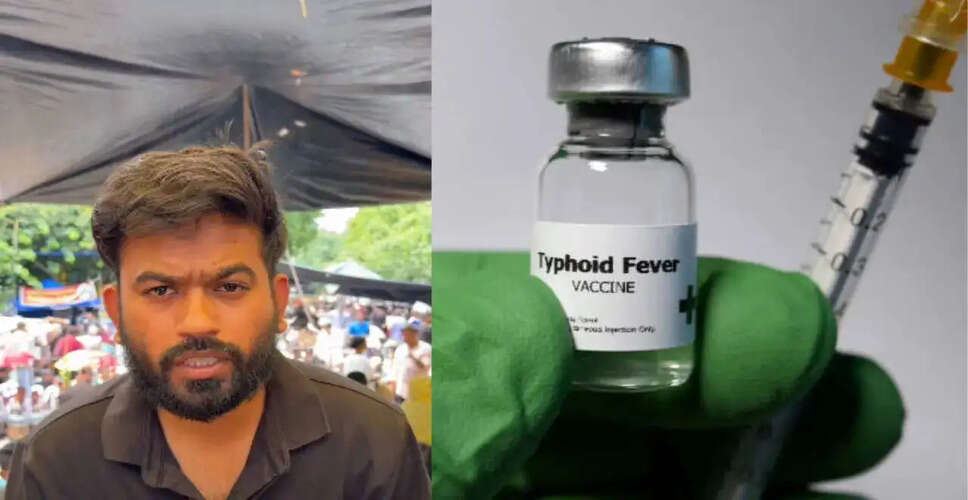
Abhijeet Dipke, a member of the Cockroach Janta Party, recently shared on social media that he has been diagnosed with typhoid fever. Despite his health challenges, he remains determined to continue his political fight until Dharmendra Pradhan resigns. His situation highlights the ongoing threat of typhoid, a disease that impacts thousands annually, particularly during the monsoon season and in areas lacking proper sanitation. Typhoid is a bacterial infection that can become severe if not treated promptly. Recognizing early symptoms and seeking immediate medical attention is crucial to avoid serious health complications.
Have been diagnosed with typhoid, but the fight will go on until Dharmendra Pradhan resigns! pic.twitter.com/8iHSZdF6K7
— Abhijeet Dipke (@abhijeet_dipke) July 25, 2026
What is Typhoid?
Understanding Typhoid Fever
Typhoid fever is caused by the bacterium Salmonella Typhi, which spreads through contaminated food and water or close contact with an infected individual. This infection is more prevalent in areas where access to clean drinking water and sanitation is inadequate. Travelers to regions where typhoid is common are also at a higher risk. Symptoms typically appear gradually over one to three weeks after exposure, often resembling those of a viral infection, which can lead to delays in seeking treatment. Key warning signs include:
- Gradually increasing high fever
- Severe headaches
- Fatigue and weakness
- Loss of appetite
- Abdominal discomfort
- Diarrhea or constipation
- Muscle aches
- Dry cough in some cases
As the illness progresses, patients may experience persistent high fever, extreme fatigue, confusion, and sometimes a faint rash of rose-colored spots on the chest or abdomen.
Transmission of Typhoid
How Typhoid Spreads
Typhoid is transmitted via the faecal-oral route, meaning individuals become infected by consuming food or water contaminated with Salmonella Typhi. Common sources of infection include:
- Contaminated drinking water
- Street food prepared in unsanitary conditions
- Unwashed fruits and vegetables
- Food handled by infected persons who do not maintain proper hand hygiene
Practicing good sanitation and safe food handling is essential to minimize the risk of infection.
Importance of Early Treatment
Why Timely Treatment Matters
Typhoid can be effectively treated with the right antibiotics, but delaying treatment can lead to severe complications. Untreated infections may result in intestinal bleeding, perforation, severe dehydration, bloodstream infections, or sepsis, which can affect multiple organs. Most individuals recover fully with prompt diagnosis, appropriate antibiotics, sufficient hydration, and proper nutrition.
Preventing Typhoid
Prevention Strategies
Preventive measures can significantly lower the risk of contracting typhoid. Health professionals recommend:
- Drinking only safe, filtered, or boiled water
- Washing hands thoroughly with soap before meals and after using the restroom
- Consuming freshly cooked food served hot
- Avoiding raw or undercooked foods from questionable sources
- Properly washing fruits and vegetables
- Considering vaccination against typhoid when traveling to high-risk areas or as advised by a healthcare provider
When to Seek Medical Help
Recognizing When to See a Doctor
It is crucial to seek medical attention if you experience a persistent fever lasting more than two to three days, especially if accompanied by abdominal pain, weakness, vomiting, or diarrhea. Individuals who have recently traveled to areas where typhoid is prevalent or consumed potentially contaminated food or water should inform their healthcare provider, as this information can expedite diagnosis and treatment.