
Understanding Tuberculosis: Symptoms, Risks, and Prevention Strategies
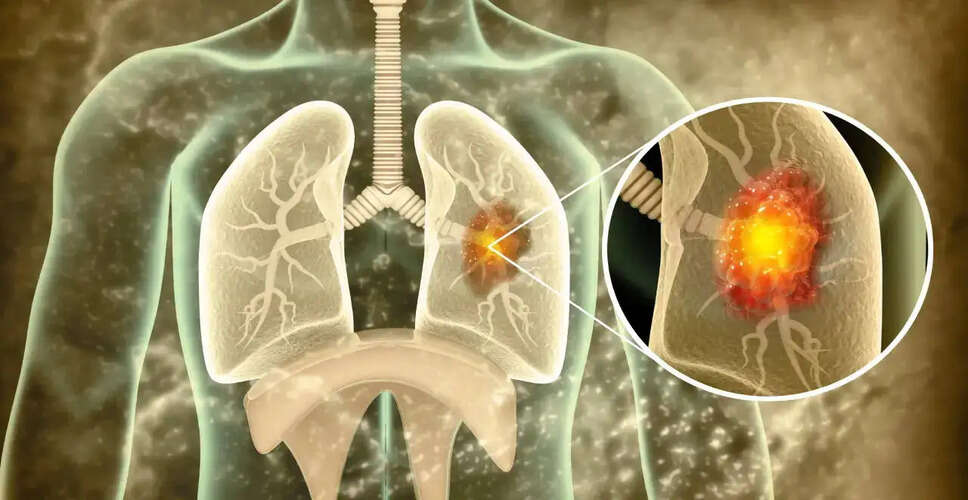
Overview of Tuberculosis
New Delhi: Tuberculosis (TB) remains a significant health challenge in 2026, despite being both preventable and treatable. Contrary to the belief that TB is a relic of the past, it continues to impact millions globally, particularly in nations like India. A major factor contributing to its persistence is the tendency of individuals to overlook early symptoms or delay seeking medical assistance, which facilitates the spread of the disease. Dr. Sunil Kumar K, Lead Consultant - Interventional Pulmonology at Aster CMI Hospital in Bangalore, discussed the rapid transmission of tuberculosis and offered advice on how to stay protected.
How Tuberculosis Spreads
Why does tuberculosis spread so easily?
TB is transmitted through the air when an infected person coughs, sneezes, or even talks. Others can inhale the bacteria and become infected unknowingly. The risk of transmission is heightened in crowded environments such as homes, workplaces, public transport, and hospitals, particularly where ventilation is inadequate. This makes controlling TB particularly challenging in densely populated urban areas.
Recognizing Symptoms of TB
Common symptoms of TB that patients miss
Many individuals fail to identify the early signs of TB, as they often resemble those of common illnesses. A persistent cough lasting more than two weeks is a key indicator, along with symptoms like fever, night sweats, weight loss, chest pain, and fatigue. Due to the gradual onset of these symptoms, people frequently disregard them until the condition worsens.
Who is Most Vulnerable?
Who is most at risk of TB?
While TB can affect anyone, certain groups are at a higher risk due to compromised immune systems. Individuals with conditions such as diabetes or HIV/AIDS are more susceptible to developing active TB. Factors like malnutrition, smoking, and stress can weaken the body’s defenses against infections. Those living in crowded conditions are also at an increased risk of exposure to the bacteria.
Challenges in Treatment
The problem of incomplete treatment
A significant reason for the ongoing spread of TB is that many patients discontinue their treatment prematurely once they start feeling better. TB treatment typically requires several months, and halting medication too soon can result in drug-resistant TB, which is more difficult to treat. It is crucial to complete the entire course of medication to effectively cure the disease and prevent its transmission.
Preventive Measures
Simple steps to protect yourself and others
Preventing TB involves adopting simple daily habits that can significantly lower the risk of infection. Covering your mouth when coughing or sneezing, practicing regular hand hygiene, and ensuring proper ventilation at home and in workplaces can make a substantial difference. A balanced diet and maintaining overall health can enhance immunity. Additionally, avoiding smoking and managing existing health issues can further reduce risk.
Importance of Early Testing
Why is early testing of TB important?
Early detection is vital for controlling TB and safeguarding others. If you experience symptoms such as a persistent cough or unexplained weight loss, it is essential to get tested promptly. Diagnostic tests like sputum examinations and chest X-rays can confirm the presence of TB. Early treatment not only accelerates recovery but also prevents the infection from spreading.
Awareness is Key
Staying safe starts with awareness
Controlling tuberculosis is achievable if individuals are informed, vigilant, and proactive. Recognizing symptoms, seeking timely medical attention, and adhering to treatment protocols can significantly reduce TB transmission within communities. Staying educated and implementing simple preventive measures can protect both individuals and society from this disease.