
Understanding Thyroid Cancer: Symptoms, Risks, and Treatment Insights
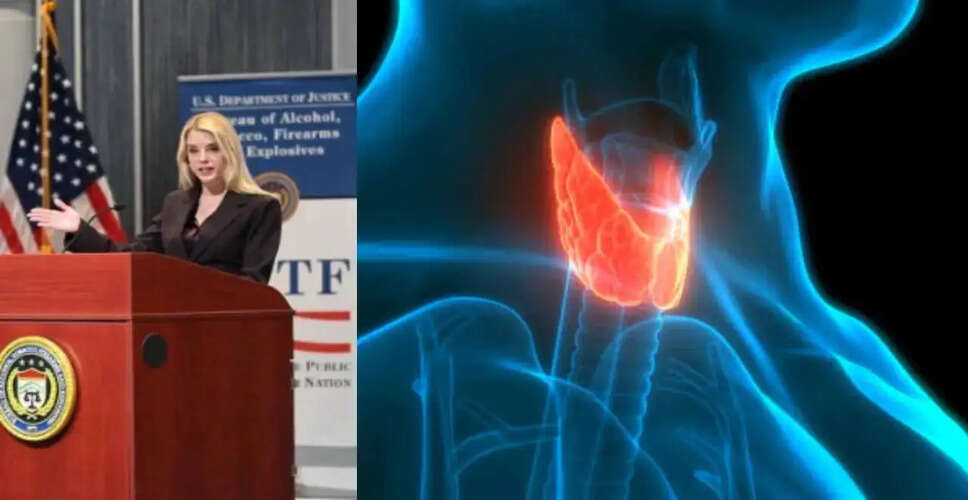

Public Interest in Thyroid Cancer Following Pam Bondi's Diagnosis
The recent news regarding Pam Bondi, the former U.S. Attorney General, being diagnosed with thyroid cancer has sparked significant public interest in the condition. As reported, the 60-year-old Bondi received her diagnosis after her tenure at the Justice Department and has since begun treatment. Sources indicate that she is on the path to recovery, although Bondi has not made any public statements about her health. The conversation gained momentum when Katie Miller, spouse of White House Deputy Chief of Staff Stephen Miller, shared on social media that Bondi has been “quietly kicking cancer’s ass” in recent weeks. This news emerged shortly after Bondi was appointed by President Trump to a White House advisory committee focused on artificial intelligence.
What is Thyroid Cancer?
What is Thyroid Cancer?
Thyroid cancer originates in the thyroid gland, which is a butterfly-shaped organ located at the neck's base. This gland is responsible for producing hormones that control metabolism, energy levels, heart rate, and body temperature. Although less prevalent than breast, lung, or colon cancers, the incidence of thyroid cancer has risen in recent years, attributed to enhanced screening and increased awareness. Fortunately, many cases of thyroid cancer are highly treatable, particularly when identified early.
Recognizing Symptoms of Thyroid Cancer
Common Symptoms of Thyroid Cancer
One major concern with thyroid cancer is that it often does not present noticeable symptoms in its initial stages. However, potential warning signs may include:
- A lump or swelling in the neck
- Persistent hoarseness or changes in voice
- Difficulty swallowing
- Neck pain
- Swollen lymph nodes
- A persistent cough unrelated to infection
Many individuals discover thyroid cancer during routine medical examinations before symptoms escalate.
Identifying Risk Factors
Who is at Higher Risk?
Several factors can elevate the risk of developing thyroid cancer, including:
- A family history of thyroid disease
- Exposure to radiation in the neck area
- Hormonal influences
- Specific inherited genetic disorders
- Gender, as thyroid cancer is more prevalent in women
Health professionals emphasize that while most thyroid nodules are benign, any suspicious growths should be evaluated by a medical professional.
Treatment Options and Recovery
Treatment and Recovery
Treatment strategies vary based on the type and stage of thyroid cancer. Common methods include surgical removal of part or all of the thyroid gland, radioactive iodine therapy, hormone therapy, and ongoing monitoring. Survival rates for many thyroid cancers are notably high, especially with early diagnosis. Recovery typically involves long-term hormone management and regular follow-up scans. Patients may also face emotional challenges, fatigue, and anxiety during treatment, making mental health support crucial during recovery.
The Importance of Public Awareness
Why Public Awareness Matters?
High-profile health cases, such as Bondi's, often motivate individuals to be more vigilant about their health and symptoms. Experts stress that early detection is vital for successful thyroid cancer treatment. It is advisable for individuals to seek medical advice for persistent neck swelling, unexplained voice changes, or swallowing difficulties instead of dismissing these symptoms. While reports indicate that Bondi is recovering well, her diagnosis underscores the critical need for cancer awareness, regular health screenings, and prompt treatment.