
Understanding the Subtle Signs of High Blood Pressure on World Hypertension Day

Recognizing Hypertension: The Silent Killer
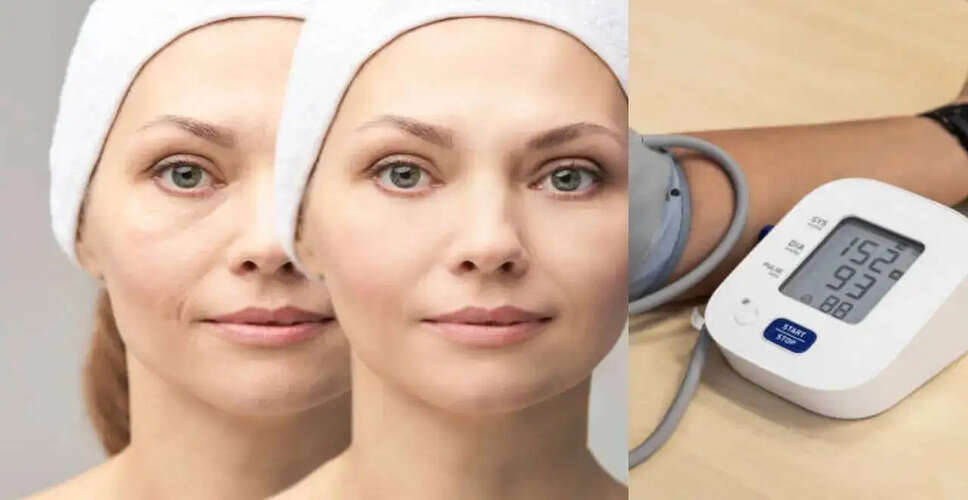
High blood pressure, commonly referred to as hypertension, is often labeled the “silent killer” due to its ability to develop without noticeable symptoms for extended periods. On World Hypertension Day, healthcare professionals are urging individuals to pay attention to subtle signs that may manifest in the body, including the face. While these facial changes are not definitive indicators of hypertension, they can signal potential health issues. Early recognition of these signs, coupled with regular blood pressure monitoring, can significantly lower the risk of serious health complications such as heart disease, stroke, and kidney damage.
Can Facial Changes Indicate High Blood Pressure?
Can your face show signs of high blood pressure?
Experts indicate that high blood pressure may not always present clear physical symptoms. However, chronic or severe hypertension can impact blood vessels and circulation, potentially leading to visible changes in the face.
Common Facial Signs of Hypertension
Facial Redness
One notable sign is facial flushing, which occurs when blood vessels in the face dilate due to factors like stress, heat, alcohol consumption, spicy foods, or sudden increases in blood pressure. While facial redness alone does not confirm hypertension, frequent occurrences alongside headaches or dizziness may warrant a medical check-up.
Puffy Face or Swelling
Ongoing facial puffiness can sometimes indicate fluid retention associated with kidney issues, which may arise in individuals with uncontrolled hypertension. Swelling around the eyes or cheeks should be taken seriously, especially if it is accompanied by fatigue or changes in urination.
Visible Blood Vessels in the Eyes
Hypertension can also harm tiny blood vessels in the eyes, leading to a condition known as hypertensive retinopathy. Individuals may notice symptoms such as redness, blurred vision, or broken blood vessels. Eye specialists can often identify signs of high blood pressure during routine eye exams.
Stress-Related Expressions
Chronic stress is a significant factor contributing to hypertension. Signs of stress, such as tension in facial muscles, jaw clenching, tired-looking eyes, and disrupted sleep patterns, may reflect stress levels that can indirectly elevate blood pressure over time.
Critical Symptoms Not to Overlook
Symptoms you must never ignore
Many individuals with hypertension may not experience any symptoms. However, dangerously high blood pressure can lead to alarming signs such as:
- Severe headaches
- Dizziness
- Chest pain
- Shortness of breath
- Blurred vision
- Nosebleeds
- Fatigue
Healthcare professionals emphasize that these symptoms require immediate medical attention, particularly if they arise suddenly.
The Rising Trend of Hypertension in Younger Adults
Why is hypertension rising in younger adults?
Health experts note that hypertension is increasingly prevalent among younger adults, attributed to factors such as stress, lack of physical activity, consumption of processed foods, high salt intake, poor sleep habits, smoking, and sedentary lifestyles. Long working hours, excessive screen time, and rising obesity rates are also contributing to this global health issue. In India, cardiovascular diseases related to high blood pressure are becoming a significant public health challenge, even among individuals in their 30s and 40s.
Natural Ways to Manage High Blood Pressure
How to reduce high blood pressure naturally?
Experts suggest several lifestyle modifications to help manage blood pressure levels, including reducing salt and processed food intake, engaging in regular exercise, maintaining a healthy weight, ensuring adequate sleep of 7 to 8 hours, limiting alcohol and smoking, practicing stress management techniques like yoga or meditation, and regularly monitoring blood pressure. While facial changes alone cannot diagnose hypertension, they may reflect underlying health concerns. On World Hypertension Day, healthcare professionals stress the importance of regular blood pressure screenings as the most effective method for early detection and prevention of life-threatening complications.