
Understanding the Signs of Oral Cancer: Early Detection is Key

The Rising Threat of Oral Cancer
Oral cancer is a dangerous illness that is increasingly affecting individuals in India. Daily, more people are diagnosed, leading to a gradual decline in health and, ultimately, death. Currently, there is no permanent cure for cancer.
The Cost of Treatment
Even if treatments exist, they can be prohibitively expensive, costing patients anywhere from thousands to millions of rupees. Various factors contribute to the onset of cancer, including alcohol consumption, tobacco use, poor diet, and injuries. However, oral cancer often presents early warning signs.
Recognizing Early Symptoms
It's crucial to be aware of the signs of oral cancer to seek timely treatment. Here are some indicators to watch for:
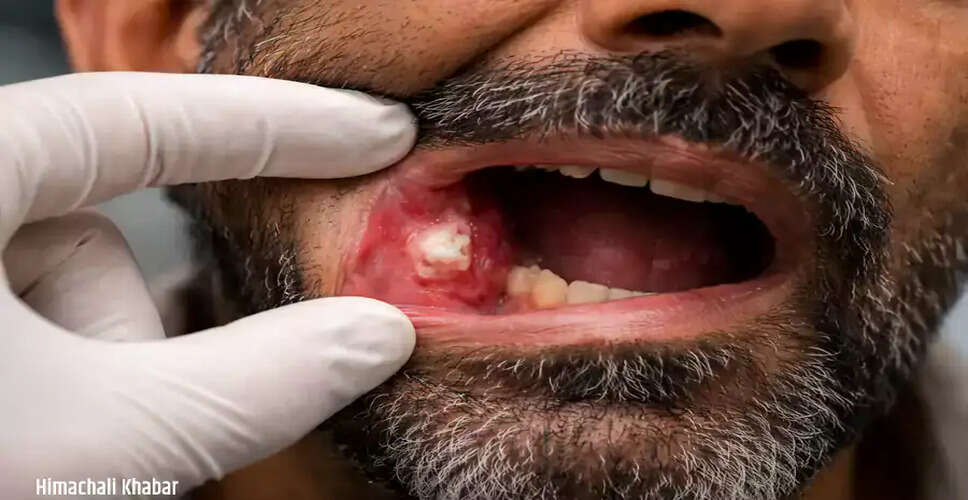
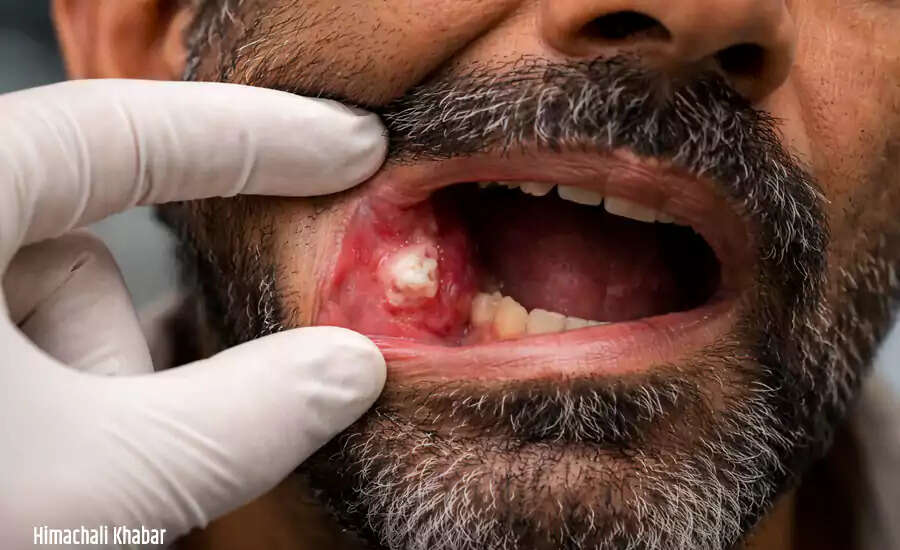
1. Presence of White or Red Patches or Sores
If you notice white or red patches or sores in your mouth, consult a doctor promptly. Persistent sores that do not heal can be a sign of cancer.
2. Hardening or Lumps on the Skin
If you find any lumps on your skin, seek medical attention quickly, as these can indicate cancerous growths.
3. Non-Healing Wounds
Wounds that do not heal within a month, despite treatment, may signal cancer.
4. Difficulty Tolerating Spicy Foods
If you experience discomfort with even mildly spicy foods, it could indicate the presence of oral cancer.
5. Trouble Opening Your Mouth or Sticking Out Your Tongue
Difficulty in opening your mouth or extending your tongue can also be a symptom of oral cancer.
6. Changes in Your Voice
Excessive salivation, difficulty swallowing, or changes in your voice may be signs of cancer. If you experience any of these symptoms, consult a doctor immediately.
Common Symptoms of Oral Cancer
You might overlook some symptoms. The most common signs include sores inside your cheeks or lips that do not heal, lumps, or red or white patches in your mouth. Other symptoms can include numbness, pain, bleeding, weakness, voice changes, ringing in the ears, and sore throat. Some of these symptoms may also indicate less serious issues, so it's essential to discuss any concerns with your doctor.
Who is at Risk for Oral Cancer?
Individuals over the age of 45, regardless of gender, are at a higher risk for oral cancer. Those with fair skin are also more susceptible to lip cancer. Studies suggest that people with weakened immune systems or chronic illnesses like HIV may face an increased risk as they age.
Treatment Options for Oral Cancer
Doctors and dentists can often detect oral cancer during routine check-ups. If they notice any abnormalities, they will examine your mouth and throat carefully, sometimes using special tools. If necessary, a biopsy may be performed to confirm a cancer diagnosis.